
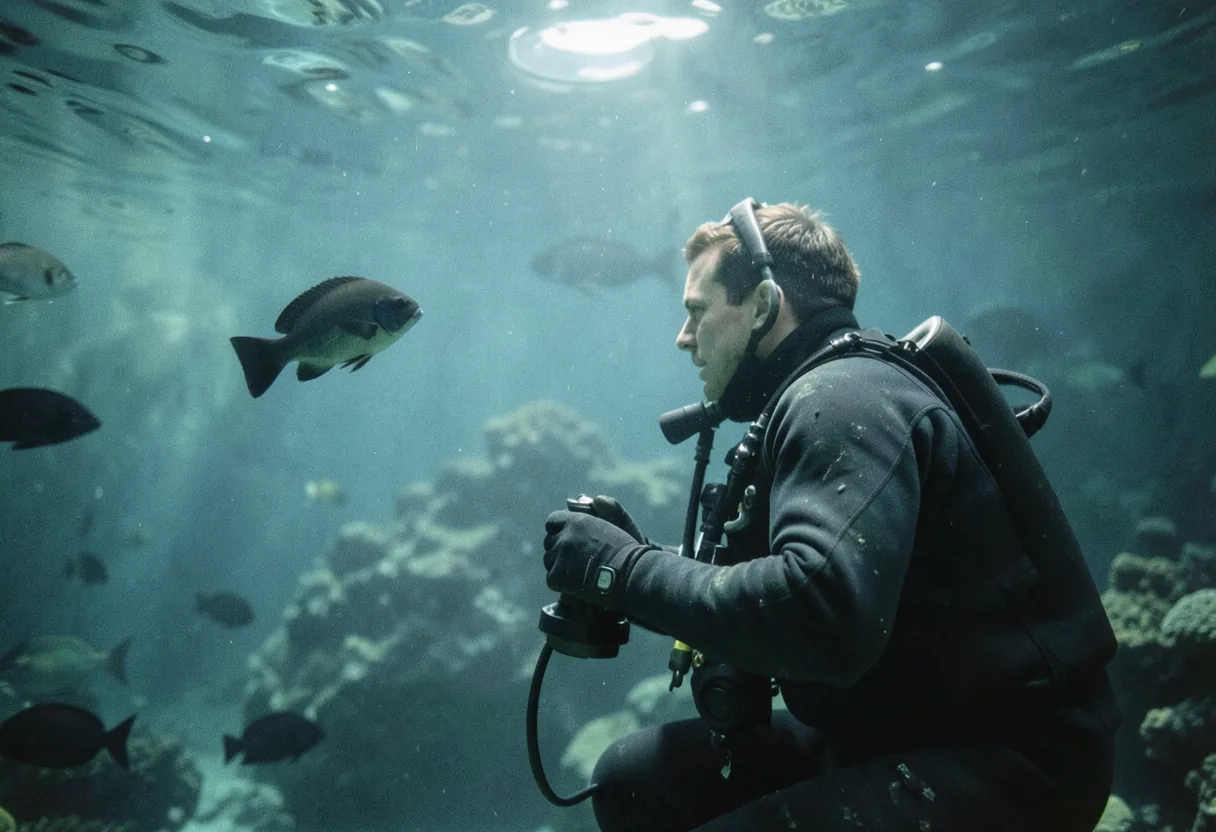
Plan your visit to Sevastopol Aquarium Museum between May and September for the best experience. This period offers warm weather, allowing you to explore the outdoor exhibits comfortably. The museum hosts special events during summer, enhancing your visit with educational programs and interactive displays.
The best time to visit Sevastopol Aquarium Museum is determined by factors like weather, crowds, and seasonal exhibits. In plain terms: timing your visit is like catching a tide, right conditions make all the difference between a muddy shore or a vibrant marine spectacle.
Key facts
- The Sevastopol Aquarium Museum houses over 2,000 species, including endemic Black Sea flora and fauna.
- Peak visitation months align with the Crimean summer tourist season, June-August.
- Winter (November-February) offers fewer crowds but may limit some outdoor exhibits.
- Special events, like the annual Black Sea Marine Week, draw larger audiences in late spring.
The Sevastopol Aquarium Museum, part of the Institute of Biology of the Southern Seas, is a living archive of marine biodiversity. Founded in 1974, it balances research with public education, making it a unique hybrid of scientific institution and tourist attraction. For visitors, the best time to visit hinges on balancing ideal weather, exhibit accessibility, and crowd levels.
01Best time to visit Sevastopol Aquarium Museum
Spring (April-May) is my top recommendation for the best time to visit Sevastopol Aquarium Museum. The mild climate, blooming landscapes, and pre-summer crowds create an ideal setting. Temperatures range from 12°C to 20°C (54°F to 68°F), comfortable for exploring both indoor and outdoor exhibits. The museum’s marine shows, like the feeding demonstrations, are less crowded, allowing for a more intimate experience. Additionally, spring aligns with the start of the exhibition season, often featuring temporary displays on seasonal migrations or conservation efforts.
The drawback? Some outdoor exhibits, such as the tide pools, may still be recovering from winter, limiting interactivity. For those prioritizing full access, waiting until early June ensures all features are operational.
02Summer: Peak season with trade-offs
Summer (June-August) brings the warmest weather (22°C-30°C / 72°F-86°F) and the museum’s busiest period. This is the best time for families, as schools are out and special programs for children, like interactive workshops, are in full swing. The museum’s outdoor aquariums and marine gardens are at their most vibrant, with species like the Black Sea turbot and red mullet on full display.
The trade-off? Crowds can be overwhelming, particularly on weekends. Visitors should arrive early to avoid long lines, and consider booking timed-entry tickets through the museum’s website to skip queues. For a quieter experience, weekdays in late August offer warm weather with fewer tourists as summer vacations wind down.
03Fall: A balance of comfort and tranquility
Autumn (September-October) is a sweet spot for visitors who prefer fewer crowds without sacrificing pleasant weather. Temperatures remain mild (15°C-25°C / 59°F-77°F), and the museum’s indoor exhibits, like the deep-sea tank housing the giant isopod, are at their most engaging. Fall also marks the return of academic programs, with lectures and research presentations open to the public.
The drawback? Some seasonal exhibits may close by late October, and winter preparation can limit outdoor access. However, for those interested in marine research, autumn offers unique opportunities to engage with scientists during open-house events.
04Winter: A quiet, research-focused visit
Winter (November-February) is the least crowded time to visit, with temperatures dipping to 0°C-8°C (32°F-46°F). This season is ideal for visitors who prioritize a serene experience and are less concerned with outdoor exhibits. The museum’s indoor collections, such as the jellyfish atrium, are still fully operational, and winter often features themed exhibits around deep-sea ecology or Arctic research.
The trade-off? Reduced hours and some closures of outdoor spaces, like the Malahov Mound exhibit, which may not be accessible due to weather. However, winter is the best time to visit for those interested in academic collaboration, as the Institute of Biology often hosts winter seminars.
05Special events and exhibitions
The Sevastopol Aquarium Museum frequently hosts special events that can influence the best time to visit. The annual Black Sea Marine Week, typically held in late May or early June, transforms the museum into a hub of marine science and conservation awareness. This event features expert lectures, hands-on activities, and rare exhibitions of deep-sea creatures not usually on display. For visitors passionate about marine conservation, this is an unparalleled opportunity to engage directly with researchers and participate in workshops focused on protecting Black Sea ecosystems.
Additionally, the museum collaborates with the Institute of Biology to offer exclusive behind-the-scenes tours during select months. These tours, often available in spring and fall, provide a deeper look into the museum’s conservation efforts and research labs. For those with a keen interest in marine biology, these tours offer a unique educational experience that can’t be replicated during peak tourist seasons.
06Educational programs and workshops
Beyond the static exhibits, the Sevastopol Aquarium Museum offers a range of educational programs designed to enhance the visitor experience. These programs are particularly valuable for families and students, providing interactive learning opportunities that go beyond traditional museum visits. For example, the museum’s summer workshops allow children to participate in hands-on activities like coral reef simulations and plankton identification, led by marine biologists. These workshops are held weekly during the summer months, making it the best time to visit for families seeking educational enrichment.
The museum also hosts specialized courses for adults, such as marine conservation workshops and deep-sea ecology seminars. These courses are typically scheduled in the spring and fall, aligning with the academic calendar. For instance, the spring course on Black Sea conservation often features guest lectures from researchers at the Institute of Biology of the Southern Seas, providing insights into ongoing research projects and conservation efforts. These programs are ideal for visitors looking to deepen their understanding of marine science while enjoying a quieter museum experience.
07How to choose
- For ideal weather and moderate crowds: Spring (April-May) or early fall (September).
- For family-friendly experiences: Summer (June-August), despite the crowds.
- For a quiet, research-oriented visit: Winter (November-February).
- To avoid crowds entirely: Weekdays in late August or early October.
08Nearby attractions to consider
The Sevastopol Aquarium Museum is part of a larger cultural ecosystem. The nearby Black Sea Fleet History Museum offers a fascinating contrast, and combining visits can make for a full day of exploration. For theatre enthusiasts, the Lunacharskiy Drama Theatre and the Sevastopol Academic Dance Theatre of Vadim Elizarov are within a short drive, providing evening entertainment options.
Visitor tips
- Check the museum’s official website for seasonal exhibit schedules and special events.
- Book tickets online in advance during peak months to avoid long lines.
- Dress in layers, especially in spring and fall, as indoor and outdoor temperature differences can be significant.
- Arrive early to explore outdoor exhibits before they close for the day.
For the best time to visit Sevastopol Aquarium Museum, prioritize your goals, whether it’s avoiding crowds, enjoying perfect weather, or diving deep into marine research. Spring and fall strike the best balance, but each season offers unique advantages.
09Frequently asked questions
What are the opening hours of Sevastopol Aquarium Museum?
The museum opens daily at 10:00 AM and closes at 6:00 PM. However, last entry is at 5:00 PM, so plan accordingly. The aquarium houses over 200 species, including the rare Black Sea hammerhead shark, best viewed in natural daylight.
When is the best time to visit to avoid crowds?
Weekdays, especially Tuesdays and Thursdays, are less crowded. Avoid weekends and public holidays like May 9th or November 4th. Morning visits between 10:00 AM and 12:00 PM offer a quieter experience, with fewer school groups.
What's the ideal season to visit for optimal weather?
Spring (April to June) and autumn (September to October) offer pleasant temperatures around 18-22°C. Summer (July to August) can be hot and humid, while winter (November to March) sees fewer visitors but cooler temperatures around 5-8°C.
Are there any special events or feeding times to consider?
Feeding times for the sharks and rays are at 11:30 AM and 3:30 PM daily. Special events, like the annual Marine Life Day on August 15th, feature educational talks and interactive exhibits, enhancing the visit.