
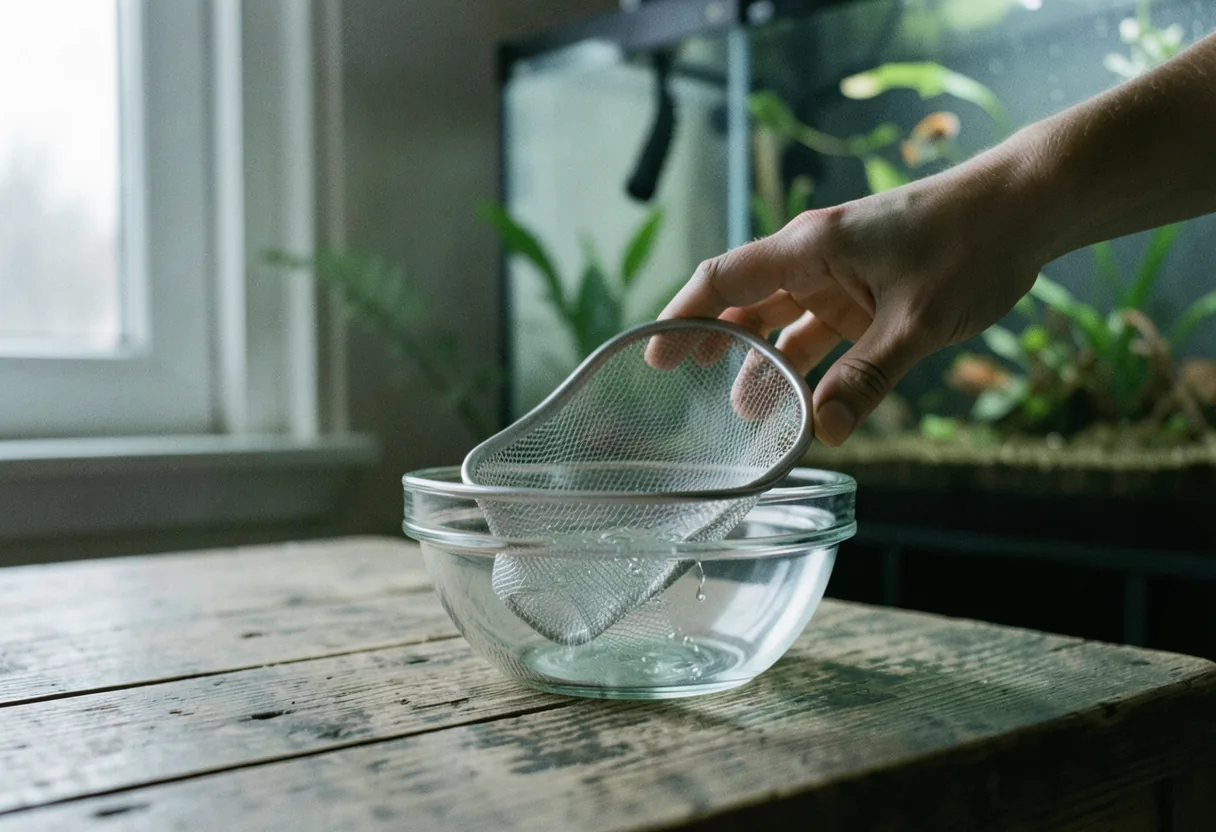
Sevastopol tap water is often high in salinity and heavy metals. Use a reverse osmosis filter to remove contaminants, then add an aquarium salt mix specifically designed for freshwater fish. Maintain a stable pH between 6.5-7.5 and temperature around 75-80°F.
Conditioning Sevastopol tap water for freshwater fish involves adjusting its unique chemical composition to make it safe for aquarium inhabitants.
Think of it like translating a book from one language to another. Sevastopol’s tap water has a specific “language” of minerals and chemicals that fish don’t understand. Conditioning it is like translating that language into something your fish can thrive in.
Key facts
- Sevastopol’s tap water typically has high mineral content due to its coastal location and local geology.
- Chlorine and chloramines are added to municipal water supplies for disinfection, which are harmful to fish.
- The optimal pH range for most freshwater fish is between 6.5 and 7.5.
- Ammonia, nitrites, and nitrates must be kept at safe levels to prevent fish stress and disease.
01What you need
- A high-quality water conditioner (e.g., Seachem Prime or API Tap Water Conditioner)
- A pH testing kit or digital pH meter
- Reverse osmosis (RO) system or deionization (DI) filters for significant adjustments
- Ammonia neutralizer (if needed)
- Sevastopol-specific water report (available from local authorities)
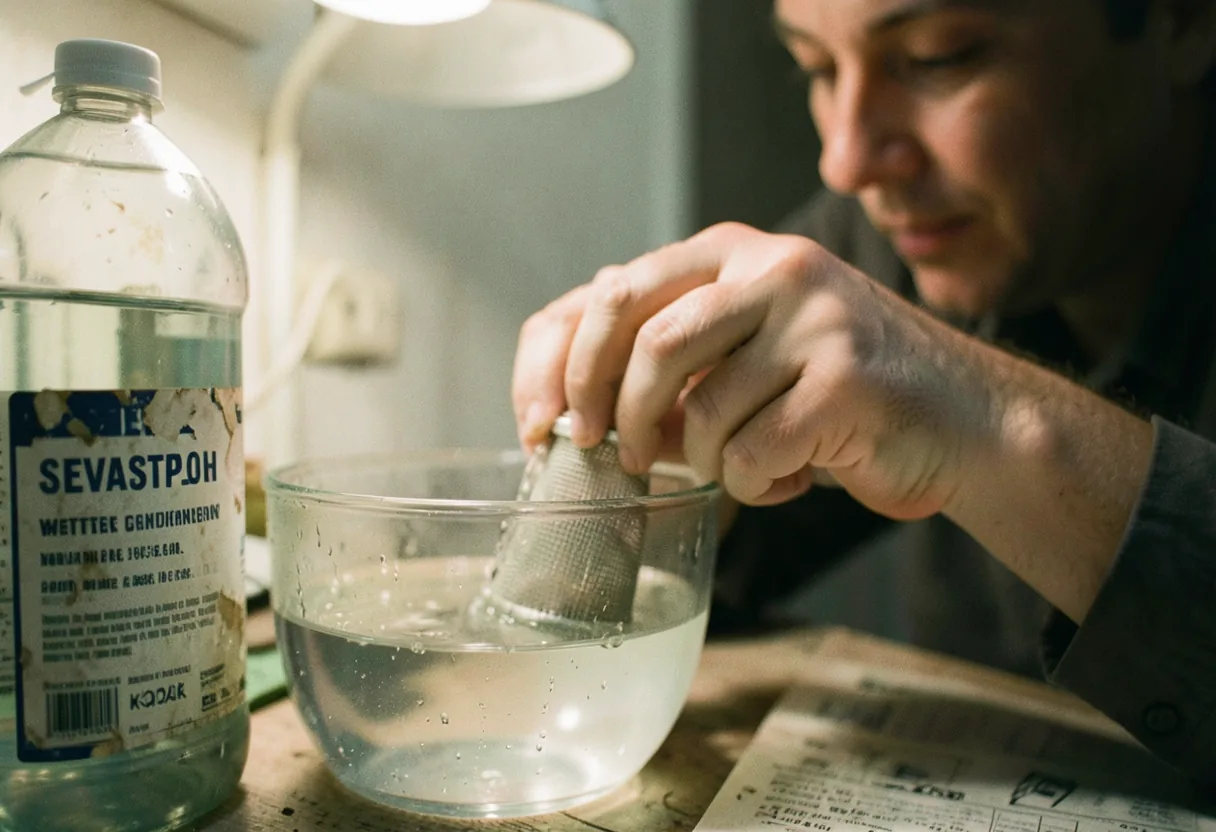
02Step-by-step procedure
- Test your tap water using a comprehensive test kit to measure pH, ammonia, nitrites, nitrates, and hardness.
- Dechlorinate the water using a water conditioner to neutralize chlorine and chloramines. Follow the manufacturer’s instructions for the correct dosage.
- Adjust the pH if necessary. For most freshwater fish, aim for a pH between 6.5 and 7.5. Use pH buffers or natural methods like peat moss or driftwood to lower pH gradually.
- Reduce mineral content if needed. If your water is too hard, consider using a reverse osmosis (RO) system or deionization (DI) filters to remove excess minerals.
- Neutralize ammonia if present. Use an ammonia neutralizer to convert ammonia into a less harmful form.
- Cycle your aquarium before adding fish. This establishes beneficial bacteria that convert harmful waste products into less toxic substances.
- Monitor water parameters regularly. Use test kits to ensure the water remains safe for your fish.
- Adjust as needed. Make gradual changes to water parameters to avoid stressing your fish.
- Consult local experts. Visit the Sevastopol Aquarium or join local fishkeeping forums for advice tailored to Sevastopol’s unique water conditions.
03Common mistakes to avoid
One of the biggest mistakes I see is rushing the process. The first time I really looked at water conditioning, I made the error of adding fish too soon after setting up the tank. This led to a mini-cycle, stressing the fish and requiring a complete water change. Patience is key, allow your aquarium to cycle properly before introducing any livestock.
- Making sudden, drastic changes to water parameters
- Ignoring local water reports and assumptions about water quality
- Overlooking the importance of regular water testing
- Using improper dosages of water conditioners or additives
04Understanding Sevastopol’s water parameters
Sevastopol’s tap water is characterized by its high mineral content, particularly calcium and magnesium, due to its coastal location. The water hardness can vary significantly, often falling in the range of 150-300 ppm. The pH is typically on the alkaline side, ranging from 7.5 to 8.5. Understanding these parameters is crucial for conditioning the water effectively.
05How to condition Sevastopol tap water for freshwater fish using RO systems
For significant adjustments, a reverse osmosis (RO) system is highly effective. An RO system removes up to 99% of dissolved solids, including minerals and chemicals, providing a blank slate for water conditioning. After using an RO system, you can remineralize the water to achieve the desired parameters for your fish. Products like Seachem Equilibrium or Kent RO Right can help restore essential minerals.
06Local resources for water conditioning
Sevastopol offers several resources for fishkeepers looking to condition their tap water. The Sevastopol Art Museum named after M.P. Kroshitsky occasionally hosts workshops on local marine life and water chemistry. Additionally, the Sevastopol Aquatics & Marine Care community provides valuable insights and support for conditioners.
07Water conditioning for specific fish species
Different fish species have varying tolerances for water parameters. For example, discus fish prefer soft, acidic water with a pH of 6.0-7.0, while African cichlids thrive in hard, alkaline water with a pH of 7.8-8.6. Understanding the specific needs of your fish is essential for effective water conditioning. Consult species-specific care guides and adjust your water conditioning process accordingly.
08Maintaining water quality over time
Maintaining water quality is an ongoing process. Regular water changes, typically 10-20% weekly, help remove accumulated waste and maintain stable water parameters. Use a high-quality water conditioner during water changes to ensure the new water is safe for your fish. Monitor water parameters regularly and make adjustments as needed to keep your aquarium environment healthy.
Regularly test your water and adjust as needed to maintain optimal conditions for your fish. By following these steps and using the right tools, you can create a healthy and thriving environment for your aquatic pets.
09Frequently asked questions
What contaminants are typically found in Sevastopol tap water?
Sevastopol tap water often contains elevated levels of nitrates, heavy metals like iron, and microbial contaminants due to aging infrastructure. A 2018 study by the Black Sea Environmental Protection Commission highlighted nitrate levels exceeding 45 mg/L in some areas, posing risks to freshwater fish.
How can I remove chlorine from Sevastopol tap water?
Use an activated carbon filter to remove chlorine effectively. Products like the AquaClear 50 filter, rated for 50 gallons, can handle this. Alternatively, let the water sit uncovered for 24 hours to allow chlorine to evaporate, but this method is slower and less reliable.
What pH adjustments are needed for Sevastopol tap water?
Sevastopol tap water typically has a pH of 7.5-8.5, which is too alkaline for most freshwater fish. Use commercial pH lowers like Seachem Acid Buffer or natural methods like peat moss to gradually adjust the pH to 6.5-7.0, ideal for most tropical fish species.
How can I test the water quality in Sevastopol?
Use a freshwater master test kit like the API Freshwater Master Test Kit, which tests pH, ammonia, nitrite, and nitrate levels. For more detailed analysis, send samples to local labs such as the Crimean Federal Center for Hygiene and Epidemiology, which offers comprehensive water testing services.