
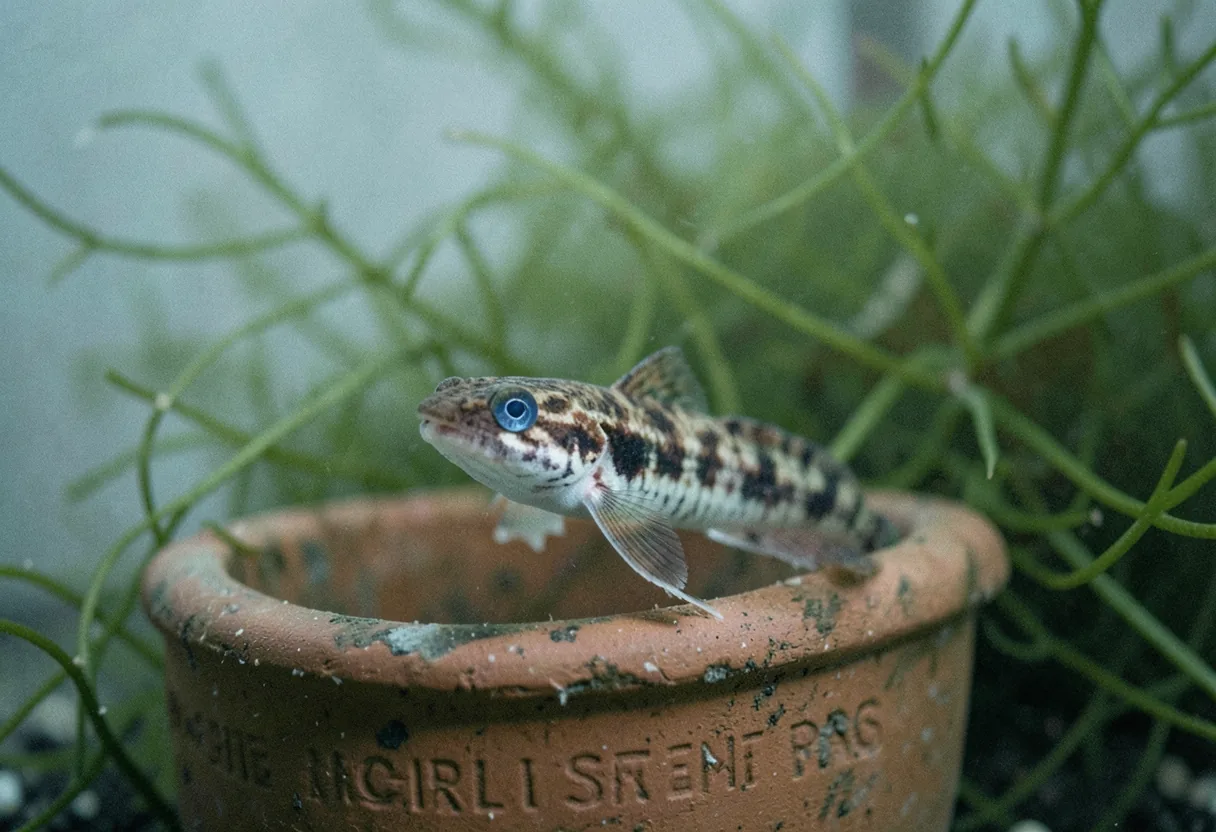
Black Sea blennies need a 20-gallon tank minimum, with a sandy bottom and plenty of rocks for hiding. Maintain water temperature between 64-75°F, salinity at 1.020-1.025, and pH around 8.1-8.4. Feed them a varied diet of algae, small invertebrates, and frozen foods.
Caring for local Black Sea blennies in captivity involves replicating their natural habitat and meeting their specific needs in a controlled environment like the Sevastopol Marine Aquarium.
Think of your aquarium as a tiny slice of the Black Sea coastline, where blennies dart among rocks and feed on tiny creatures. Your job is to curate this miniature ecosystem with precision.
Key facts
- Black Sea blennies (Parablennius gattorugine) are small, hardy fish native to the rocky shores of the Black Sea.
- They thrive in temperatures between 10°C and 20°C, mirroring the cold waters of their natural habitat.
- These fish are omnivores, feeding on algae, small invertebrates, and detritus in the wild.
- Blennies are territorial and require plenty of hiding spots and rock formations in their tank.
01What you need
- Aquarium with a minimum capacity of 20 gallons
- Chiller to maintain cold water temperatures
- Live rock and artificial caves for hiding
- High-quality protein skimmer and filtration system
- Black Sea-specific substrate like crushed coral or sand
- Variety of small invertebrates and algae for diet
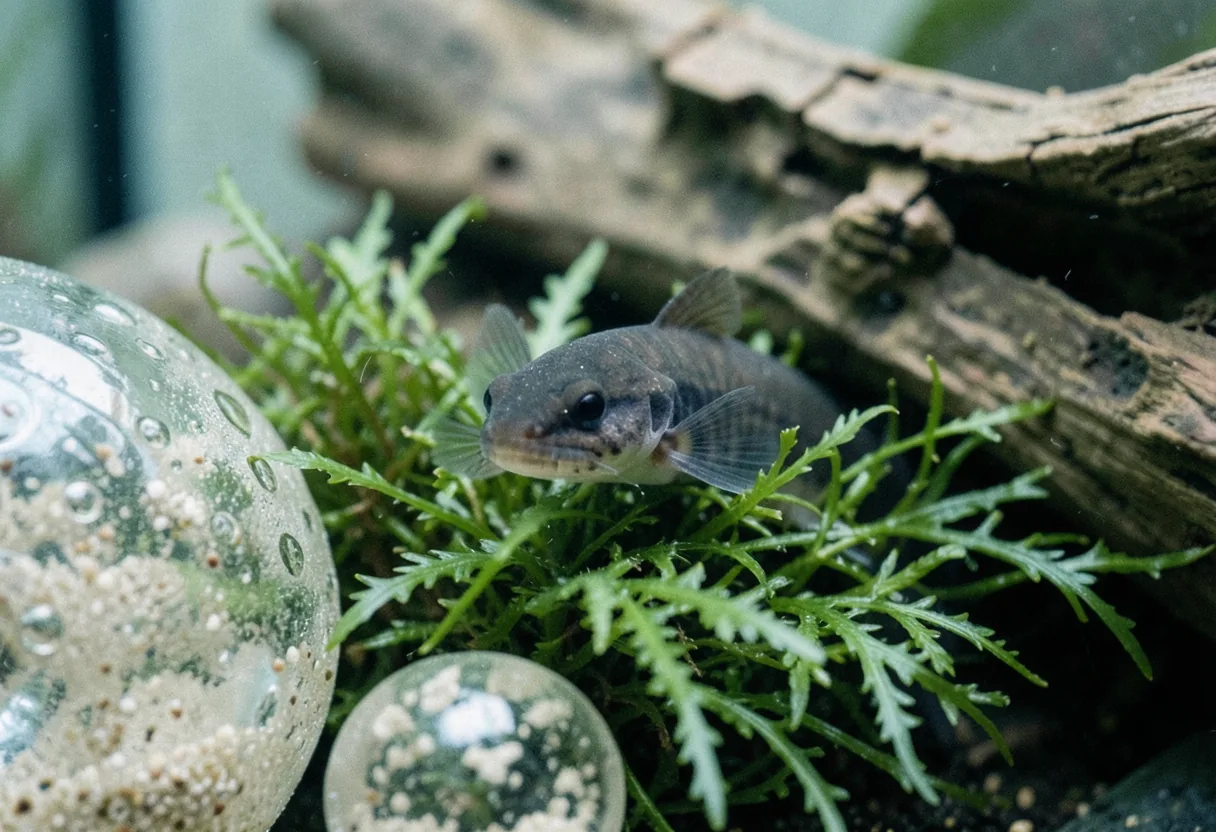
02Step-by-step care guide for local Black Sea blennies in captivity
- Set up your aquarium with a robust filtration system and a chiller to maintain water temperatures between 10°C and 20°C.
- Arrange live rock and artificial caves to create a complex environment that mimics the rocky shores of the Black Sea.
- Introduce Black Sea-specific substrate like crushed coral or sand to replicate their natural habitat.
- Acclimate your blennies by floating the bag they arrive in on the surface of your aquarium for 20-30 minutes before releasing them.
- Feed your blennies a varied diet of small invertebrates, algae, and high-quality pellet food designed for cold-water species.
- Monitor water parameters regularly, ensuring salinity levels are maintained between 1.020 and 1.025 specific gravity.
- Perform regular water changes (20-30% weekly) to maintain water quality and remove harmful nitrates.
- Observe your blennies for signs of stress or disease, such as changes in color, appetite, or behavior.
- Maintain a balanced ecosystem by adding compatible tank mates like small gobies or shrimp.
03Common mistakes to avoid when caring for local Black Sea blennies in captivity
One of the most critical errors I see is neglecting the temperature requirements. Blennies are cold-water fish, and failure to maintain appropriate temperatures can lead to stress and health issues. Additionally, overfeeding is a common mistake that can result in water quality problems and obesity in your fish.
04Understanding the natural habitat of Black Sea blennies
The natural habitat of Black Sea blennies is the rocky shores and coastal areas of the Black Sea. These fish are adapted to live in the cold, brackish waters of this region. The Sevastopol Marine Aquarium is a fantastic resource for learning more about these unique fish and their natural environment. For a deeper dive into their habitat, visit the Black Sea Wikipedia page.
05Feeding local Black Sea blennies correctly
Feeding your blennies a varied diet is crucial for their health and well-being. In the wild, they feed on a mix of algae, small invertebrates, and detritus. In captivity, you can replicate this diet with a combination of high-quality pellet food, live or frozen invertebrates, and fresh algae. Remember to feed small amounts multiple times a day to mimic their natural feeding behavior. For more detailed information, check out our guide on feeding local Black Sea fish species.
06Legal considerations for keeping local Black Sea blennies
Before you bring Black Sea blennies into your home aquarium, it’s essential to understand the legal considerations. Some species may be protected or require permits to keep. Always ensure you are sourcing your fish from reputable suppliers who follow ethical and legal guidelines. For more information, refer to our article on legal considerations for keeping local Black Sea fish.
07Identifying common aquarium diseases in local Black Sea blennies
Blennies are generally hardy fish, but they can still fall victim to common aquarium diseases. Keep an eye out for signs of ich, fin rot, and velvet disease. Early detection and treatment are crucial for the health of your fish. For a comprehensive guide, visit our article on identifying common aquarium diseases in local fish.
08Sevastopol’s cultural institutions and their connection to marine life
Sevastopol is not only home to the Sevastopol Marine Aquarium but also a rich cultural scene that includes the Lunacharskiy Drama Theatre and the Sevastopol Academic Dance Theatre of Vadim Elizarov. These institutions often host educational events and performances that highlight the beauty and importance of marine life, including local Black Sea species.
09Best cold water fish for Crimean home tanks
If you’re considering adding more cold-water fish to your home aquarium, there are several excellent options beyond blennies. Species like the Black Sea goby and the tub gurnard are also well-suited to the cold waters of the Black Sea region. For more ideas, explore our guide on the best cold water fish for Crimean home tanks.
Takeaway: Proper care for local Black Sea blennies in captivity requires a deep understanding of their natural habitat and specific needs. By replicating their environment and providing a balanced diet, you can ensure these fascinating fish thrive in your home aquarium.
10Frequently asked questions
What temperature should my Black Sea blenny tank maintain?
Keep it between 12-18°C. These fish come from the northern Black Sea, where summer peaks at 24°C but drops sharply in winter. A chiller may be needed in warmer climates. Avoid sudden changes; use a reliable thermometer and heater.
How often should I feed Black Sea blennies?
Daily, but sparingly. They’re opportunistic feeders, eating small crustaceans and algae in the wild. In captivity, offer finely chopped seafood or specialized flakes. Overfeeding causes obesity; monitor their waistline behind the pectoral fins.
What substrate works best for Black Sea blennies?
Fine sand or crushed coral, mimicking their natural habitat. They burrow and sift for food. Avoid sharp gravel; it damages their delicate undersides. A 5-10 cm deep layer allows natural behavior. Add some rocks for territory marking.
Do Black Sea blennies need tank mates?
They’re territorial but tolerate peaceful species. Avoid aggressive or large fish. A 100-liter tank can house one blenny and a few small gobies or shrimp. Monitor interactions; remove aggressive tank mates immediately.