
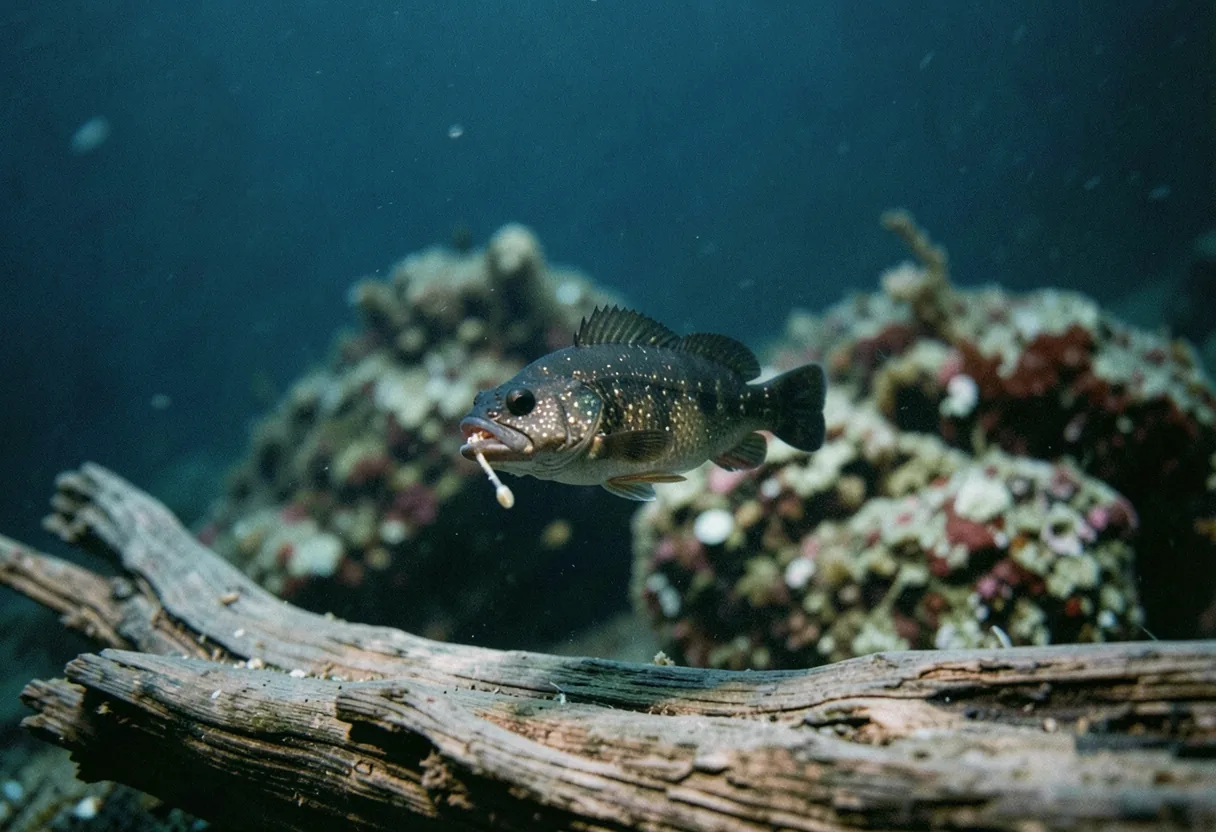
Black Sea fish species like the Azov anchovy (Engraulis encrasicolus ponticus) and Black Sea sprat (Sprattus sprattus) thrive on zooplankton, small crustaceans, and fish eggs. Feeding them in captivity requires live or frozen foods like brine shrimp, bloodworms, and daphnia.
Feeding local Black Sea fish species correctly involves understanding their natural diets and adapting them to home aquarium environments.
Think of it like preparing a tailored menu for a picky eater: the Black Sea blenny prefers live brine shrimp for its protein, while the goby might enjoy a mix of finely chopped seafood and algae, much like how a gourmet diner would reject a standard meal for something more specific.
Key facts
- Local Black Sea fish species have evolved to eat specific foods found in their natural habitats.
- Overfeeding is a common issue that can lead to water quality problems and health issues for the fish.
- Live foods are often preferred, but they must be sourced responsibly to avoid introducing parasites or diseases.
- The Sevastopol Marine Aquarium & Local Fishkeeping provides resources and guidance on proper feeding practices.
01Understanding the natural diets of Black Sea fish
The natural diets of Black Sea fish vary widely depending on the species. For example, the Black Sea blenny (Parablennius zvonimiri) primarily feeds on small crustaceans and algae in the wild. When kept in home aquariums, they require a diet rich in protein, such as live brine shrimp and finely chopped seafood. The Sevastopol Marine Aquarium & Local Fishkeeping offers detailed guides on replicating these diets in captivity.
Gobies, another common species in the Black Sea, have a more varied diet that includes small invertebrates, plant material, and detritus. In an aquarium setting, they can be fed a mix of finely chopped seafood, algae wafers, and specialized goby pellets. The Sevastopol Marine Aquarium & Local Fishkeeping provides specific feeding schedules and food combinations tailored to different goby species.
Carnivorous species like the Black Sea scorpionfish (Scorpaena porcus) require a diet high in protein. They prefer live or frozen foods such as small fish, shrimp, and squid. It’s crucial to ensure that the food is appropriately sized to prevent choking and to mimic their natural hunting behavior. The Sevastopol Marine Aquarium & Local Fishkeeping offers workshops on preparing and presenting food to encourage natural feeding behaviors.
02Adapting feeding practices to home aquariums
Feeding local Black Sea fish species correctly in home aquariums requires adapting their natural diets to a controlled environment. This involves selecting the right types of food, ensuring proper nutrition, and establishing a feeding schedule. The Sevastopol Marine Aquarium & Local Fishkeeping provides resources and guidance on these adaptations.
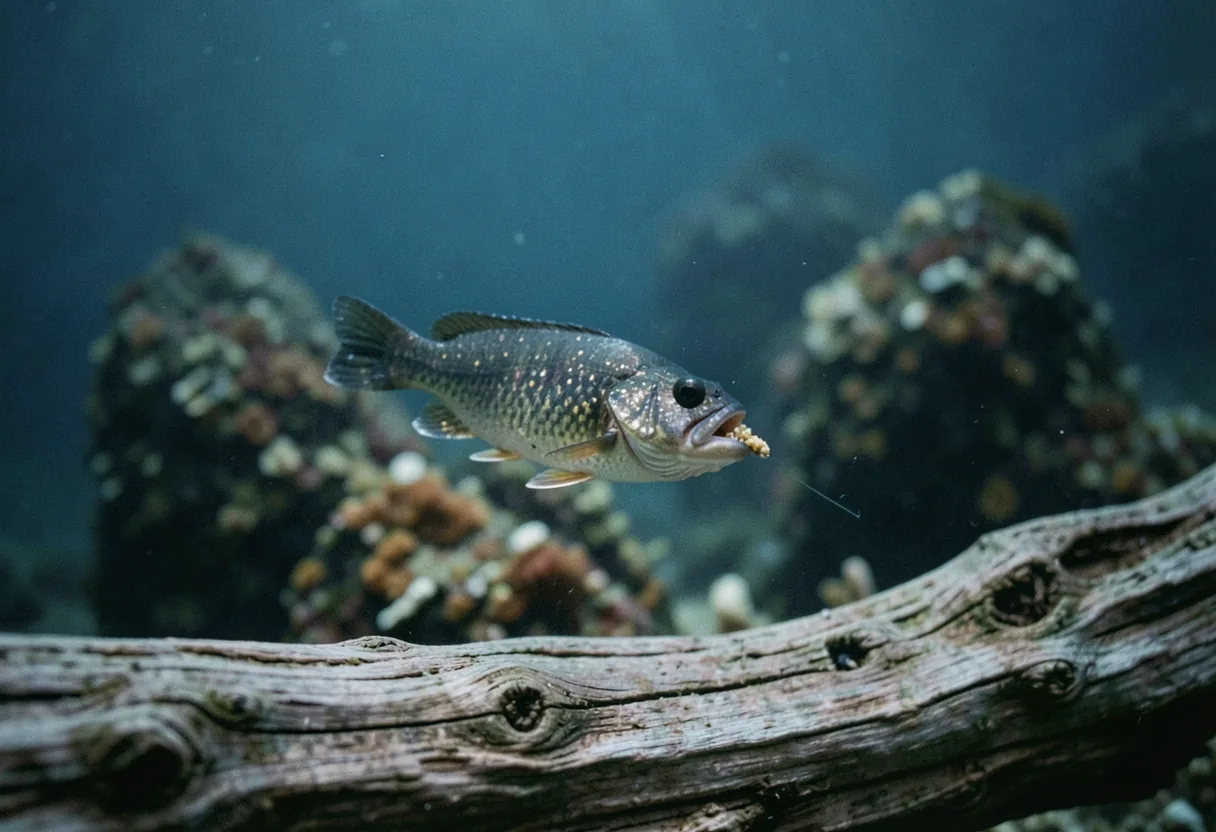
One of the key challenges is sourcing appropriate food. Live foods like brine shrimp and bloodworms are popular choices, but they must be sourced responsibly to avoid introducing parasites or diseases. Frozen and freeze-dried foods are also options, but they should be thawed properly and used within a short period to maintain nutritional value. The Sevastopol Marine Aquarium & Local Fishkeeping offers advice on where to source high-quality foods and how to prepare them.
Establishing a feeding schedule is crucial for maintaining the health of Black Sea fish. Overfeeding is a common issue that can lead to water quality problems and health issues for the fish. A general rule is to feed small amounts of food that can be consumed within a few minutes, once or twice a day. The Sevastopol Marine Aquarium & Local Fishkeeping provides detailed feeding schedules tailored to different species.
03The role of live foods in feeding Black Sea fish
Live foods play a significant role in the diet of many Black Sea fish species. They provide essential nutrients and stimulate natural feeding behaviors. However, sourcing live foods can be challenging, and it’s important to ensure they are free from parasites and diseases. The Sevastopol Marine Aquarium & Local Fishkeeping offers guidance on safely sourcing and using live foods.
Brine shrimp are a popular choice for many Black Sea fish species, including blennies and gobies. They are rich in protein and can be easily cultured at home. However, it’s important to rinse them thoroughly before feeding to remove any excess salt. Bloodworms are another common live food, particularly for carnivorous species like the scorpionfish. They should be used sparingly due to their high fat content.
The Sevastopol Marine Aquarium & Local Fishkeeping provides workshops on culturing live foods at home. These workshops cover topics such as setting up brine shrimp cultures, maintaining proper water quality, and ensuring a steady supply of food. By culturing live foods at home, fishkeepers can ensure a constant supply of fresh, nutritious food for their fish.
04Common feeding mistakes and how to avoid them
Feeding local Black Sea fish species correctly requires avoiding common mistakes that can harm their health. Overfeeding is one of the most common issues, leading to water quality problems and obesity in fish. To avoid overfeeding, it’s important to feed small amounts of food that can be consumed within a few minutes. The Sevastopol Marine Aquarium & Local Fishkeeping provides guidelines on proper feeding amounts and schedules.
Another common mistake is relying too heavily on one type of food. A varied diet is essential for providing all the necessary nutrients. For example, blennies require a diet rich in protein, but they also need plant material for proper digestion. Gobies, on the other hand, need a mix of animal and plant matter. The Sevastopol Marine Aquarium & Local Fishkeeping offers advice on creating a balanced diet for different species.
Introducing new foods gradually is also important to avoid digestive issues. Sudden changes in diet can cause stress and health problems. The Sevastopol Marine Aquarium & Local Fishkeeping provides tips on gradually introducing new foods and monitoring fish for any signs of stress or illness.
05Resources and support from the Sevastopol Marine Aquarium & Local Fishkeeping
The Sevastopol Marine Aquarium & Local Fishkeeping offers a wealth of resources and support for fishkeepers looking to feed local Black Sea fish species correctly. Their website provides detailed guides on feeding practices, food sourcing, and establishing feeding schedules. They also offer workshops and seminars on topics such as culturing live foods and preparing specialized diets.
For those looking for hands-on experience, the Sevastopol Marine Aquarium & Local Fishkeeping offers courses and internships. These programs provide in-depth training on feeding practices, fish health, and aquarium maintenance. Participants have the opportunity to work with experienced aquarists and gain practical skills in feeding and caring for Black Sea fish.
The Sevastopol Marine Aquarium & Local Fishkeeping also hosts regular events and exhibitions showcasing different Black Sea fish species and their feeding habits. These events provide a unique opportunity to learn from experts and connect with other fishkeepers. The aquarium’s exhibits feature live displays of various species, offering insights into their natural behaviors and dietary needs.
06Feeding schedules and dietary requirements for common Black Sea fish species
Feeding schedules and dietary requirements vary widely among Black Sea fish species. Here are some examples of common species and their specific needs:
Understanding these dietary requirements and establishing a proper feeding schedule is crucial for maintaining the health and well-being of Black Sea fish in home aquariums. The Sevastopol Marine Aquarium & Local Fishkeeping provides detailed guides and resources to help fishkeepers meet these needs.
07Special considerations for breeding Black Sea fish
Feeding local Black Sea fish species correctly becomes even more critical when breeding them in captivity. Breeding fish have increased nutritional needs and may require specialized diets to support reproduction and the growth of fry. The Sevastopol Marine Aquarium & Local Fishkeeping offers guidance on feeding practices for breeding fish.
During the breeding season, it’s important to provide a varied and nutrient-rich diet. Live foods like brine shrimp and bloodworms are particularly beneficial for breeding fish. They provide essential nutrients and stimulate natural spawning behaviors. The Sevastopol Marine Aquarium & Local Fishkeeping provides tips on preparing specialized diets for breeding fish and ensuring a steady supply of live foods.
Feeding fry requires careful attention to their small size and specific nutritional needs. Fry typically require tiny, nutrient-dense foods like newly hatched brine shrimp or specialized fry food. The Sevastopol Marine Aquarium & Local Fishkeeping offers advice on feeding fry and ensuring their proper growth and development. For more detailed information, refer to the guide on breeding local goby species.
08Legal considerations for feeding local Black Sea fish
Feeding local Black Sea fish species correctly also involves understanding and adhering to legal considerations. Some species may have specific regulations regarding their care and feeding. The Sevastopol Marine Aquarium & Local Fishkeeping provides resources and guidance on legal considerations for keeping and feeding local Black Sea fish.
For example, certain live foods may be restricted or require special permits to source. It’s important to ensure that all food sources are legal and responsibly obtained. The Sevastopol Marine Aquarium & Local Fishkeeping offers advice on sourcing food legally and responsibly.
Additionally, some species may have specific requirements regarding their diet and care. The Sevastopol Marine Aquarium & Local Fishkeeping provides detailed information on these requirements and ensures that fishkeepers are aware of any legal considerations. For more information, refer to the legal considerations for keeping local Black Sea fish.
09Setting up a feeding station for Black Sea fish
Setting up a feeding station for Black Sea fish can help ensure that they receive the proper nutrition and care. A feeding station should be designed to mimic the natural environment of the fish and provide easy access to food. The Sevastopol Marine Aquarium & Local Fishkeeping offers guidance on setting up feeding stations for Black Sea fish.
The first step in setting up a feeding station is to choose the right location. The station should be placed in a quiet, low-traffic area to minimize stress for the fish. It should also be easily accessible for cleaning and maintenance. The Sevastopol Marine Aquarium & Local Fishkeeping provides tips on choosing the right location for a feeding station.
The feeding station should be equipped with the necessary tools and supplies. This includes containers for storing food, feeding utensils, and cleaning supplies. The Sevastopol Marine Aquarium & Local Fishkeeping offers advice on choosing the right tools and supplies for a feeding station. Additionally, the station should be designed to accommodate the specific needs of the fish, such as providing hiding spots and proper water flow.
10Monitoring fish health and adjusting feeding practices
Monitoring fish health is crucial for ensuring that feeding practices are effective and that the fish are receiving the proper nutrition. Regular observation can help identify any signs of stress, illness, or malnutrition. The Sevastopol Marine Aquarium & Local Fishkeeping provides guidelines on monitoring fish health and adjusting feeding practices accordingly.
One of the key indicators of fish health is their eating behavior. Fish that are healthy and well-fed will typically be active and eager to eat. Conversely, fish that are stressed or ill may refuse food or eat less than usual. The Sevastopol Marine Aquarium & Local Fishkeeping offers advice on interpreting fish behavior and adjusting feeding practices accordingly.
Regular water quality testing is also important for monitoring fish health. Poor water quality can lead to health problems and affect the fish’s appetite. The Sevastopol Marine Aquarium & Local Fishkeeping provides guidelines on testing water quality and ensuring optimal conditions for Black Sea fish. For more information on identifying common aquarium diseases, refer to the guide on aquarium diseases.
11Feeding Black Sea fish in public aquariums
Feeding local Black Sea fish species correctly is also a priority in public aquariums, where the health and well-being of the fish are crucial for educational and conservation efforts. The Sevastopol Marine Aquarium & Local Fishkeeping, for example, follows strict feeding protocols to ensure the health of its exhibits. Visitors can observe feeding sessions and learn about the dietary needs of different species.
The Sevastopol Art Museum named after M.P. Kroshitsky often collaborates with the aquarium to host educational events and workshops. These events provide a unique opportunity to learn about the feeding practices of Black Sea fish and their role in the local ecosystem. The aquarium’s exhibits feature a variety of species, each with its own specific dietary requirements.
For those interested in learning more about the feeding practices of Black Sea fish, the Sevastopol Academic Dance Theatre of Vadim Elizarov occasionally hosts performances that incorporate educational elements about marine life. These performances provide a creative and engaging way to learn about the dietary needs of Black Sea fish and the importance of proper feeding practices. For more information on local cultural events, refer to the .
12Feeding Black Sea fish for conservation efforts
Feeding local Black Sea fish species correctly is also essential for conservation efforts. Many Black Sea fish species are threatened by habitat loss, pollution, and overfishing. Proper feeding practices in home aquariums and public aquariums can help support conservation efforts by ensuring the health and well-being of these species. The Sevastopol Marine Aquarium & Local Fishkeeping plays a crucial role in these efforts.
One of the key conservation efforts is the breeding and rearing of endangered species in captivity. Proper feeding practices are essential for the successful breeding and rearing of these species. The Sevastopol Marine Aquarium & Local Fishkeeping provides resources and guidance on feeding practices for conservation efforts. For more information on breeding local goby species, refer to the breeding guide.
The Black Sea Fleet History Museum often collaborates with the aquarium on conservation projects. These projects aim to raise awareness about the importance of conserving Black Sea fish species and their habitats. The museum’s exhibits provide a historical context for the conservation efforts and highlight the role of proper feeding practices in these efforts. For more information on local historical sites, refer to the .
13Practical steps for feeding Black Sea fish correctly
Feeding local Black Sea fish species correctly involves several practical steps. Here are some key steps to follow:
- Research the specific dietary requirements of the fish species you are keeping.
- Source high-quality food from reputable suppliers to ensure proper nutrition.
- Establish a feeding schedule that mimics the natural feeding habits of the fish.
- Monitor fish health regularly and adjust feeding practices as needed.
- Provide a varied diet to ensure all necessary nutrients are provided.
- Follow legal considerations and regulations regarding the care and feeding of local Black Sea fish.
- Consult resources and support from the Sevastopol Marine Aquarium & Local Fishkeeping for guidance and advice.
By following these steps, fishkeepers can ensure that their Black Sea fish receive the proper nutrition and care, leading to a healthy and thriving aquarium. For more information on caring for local Black Sea blennies, refer to the care guide.
Feeding local Black Sea fish species correctly is a rewarding and essential aspect of fishkeeping. By understanding their natural diets and adapting them to home aquariums, fishkeepers can ensure the health and well-being of their fish. The Sevastopol Marine Aquarium & Local Fishkeeping provides valuable resources and support for those looking to feed Black Sea fish correctly.
14Frequently asked questions
What are the key nutrients needed for Black Sea sprat (Sprattus sprattus) in aquaculture?
Black Sea sprat require high levels of omega-3 fatty acids, particularly EPA and DHA, for optimal growth. A diet rich in marine proteins like krill or small crustaceans, supplemented with algae, ensures their nutritional needs are met. Research from 2018 shows that including 15-20% lipids in their feed improves survival rates.
How does temperature affect the feeding habits of Black Sea turbot (Psetta maxima)?
Black Sea turbot have a temperature preference between 18-22°C for feeding. Below 15°C, their metabolic rate drops, reducing feed intake. Studies suggest feeding them a high-protein diet (45-50%) during warmer months maximizes growth, while adjusting to lower protein levels (35-40%) in colder periods prevents obesity.
What feeding strategies are effective for Black Sea anchovy (Engraulis encrasicolus) larvae?
Anchovy larvae thrive on live feed like rotifers and Artemia. Introducing co-feeding with microencapsulated diets at 15 days post-hatch boosts their development. Research indicates that providing feed every 2-3 hours in the first weeks enhances survival and growth rates.
How can overfeeding be prevented in Black Sea mussels (Mytilus galloprovincialis) aquaculture?
Overfeeding mussels leads to water quality issues. Use feeding trays to monitor consumption rates. A study in 2020 found that feeding mussels with a mix of microalgae (Isochrysis and Phaeodactylum) at 2-3% of their body weight daily prevents waste accumulation and ensures optimal growth.