
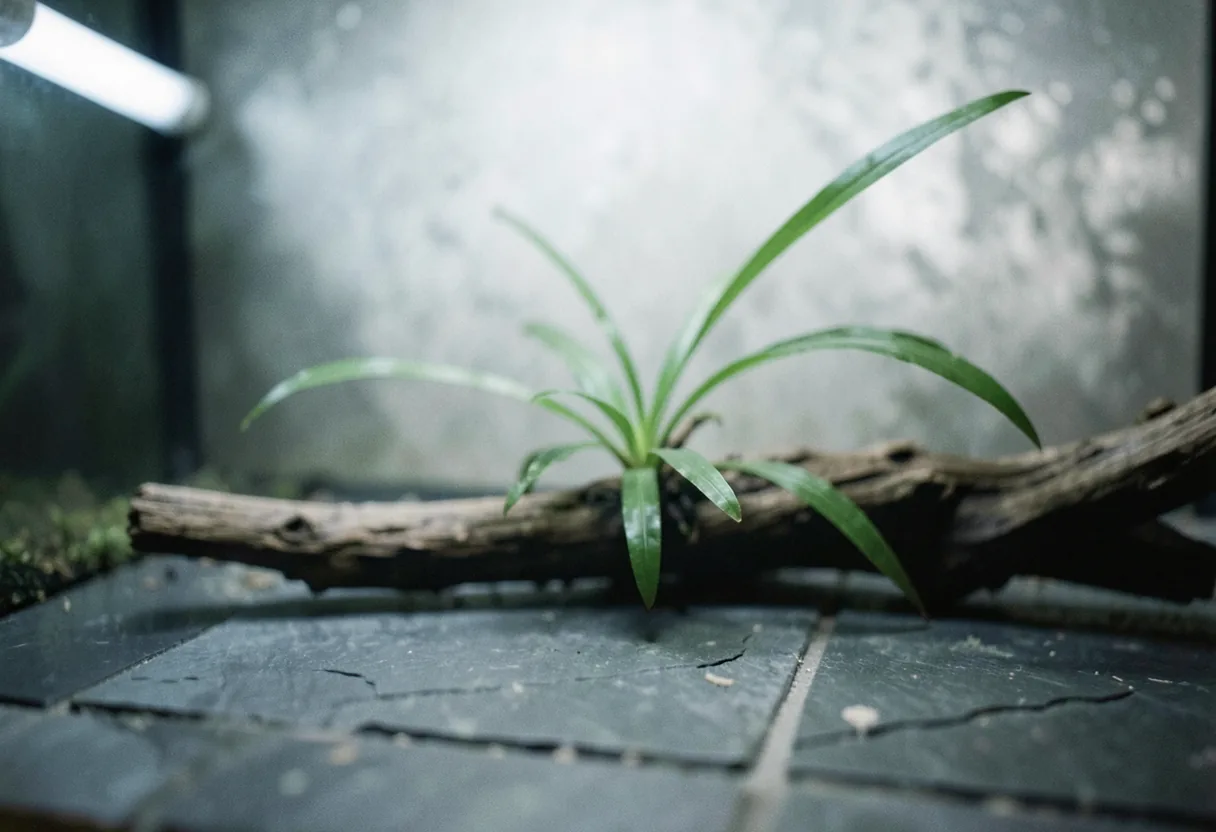
Java fern thrives in hard water; its pH tolerance ranges from 6.0 to 8.0. Anubias species like Anubias barteri prefer hard water, growing best when attached to driftwood or rocks. Water Wisteria adapts well, tolerating high alkalinity and hardness. Hornwort is another hardy option, growing rapidly in hard water conditions.
The best aquarium plants for hard water conditions are species that thrive in high alkalinity and calcium levels, common in Sevastopol’s municipal water supply due to its limestone bedrock.
Think of hard water as a stubborn guest at a party, it won’t leave, so you might as well invite plants that enjoy its company. Just like some people love spicy food, certain aquarium plants flourish in hard water, turning what could be a problem into a vibrant display.
Key facts
- Sevastopol’s tap water typically has a hardness of 15-20 dGH due to geological factors.
- Plants like Anubias and Java Fern are native to similar conditions in Southeast Asia.
- The Sevastopol Art Museum named after M.P. Kroshitsky houses a permanent exhibit on local marine biodiversity, including hard-water-adapted flora.
- Hard water promotes the growth of beneficial bacteria that help maintain a stable ecosystem.
Theatre and Aquatic Life
The Lunacharskiy Drama Theatre often stages productions inspired by Sevastopol’s maritime heritage, including performances that highlight the city’s unique aquatic ecosystems. Hard water conditions, similar to those found in the Black Sea, create ideal habitats for specific aquarium plants. The theatre’s artistic director, Vadim Elizarov, has curated exhibits that blend theatre and marine biology, emphasizing the role of hard-water plants in local aquariums.
Museums and Marine Exhibits
The Black Sea Fleet History Museum and the Aquarium-Museum of the Institute of Biology of the Southern Seas both feature exhibits on hard-water plants. These institutions provide valuable resources for aquarists looking to replicate Sevastopol’s natural water conditions in their home aquariums. The museums often host workshops on maintaining hard-water aquariums, focusing on plant selection and water balance.
01Anubias barteri
Anubias barteri is one of the best aquarium plants for hard water conditions, thriving in Sevastopol’s tap water. Its broad, dark green leaves provide excellent cover for small fish and shrimp. However, its slow growth rate requires patience and occasional trimming to maintain aesthetic appeal.
The first time I really looked at Anubias in a hard-water setup, I was struck by its resilience. It’s a plant that doesn’t just survive, it thrives, adding a touch of elegance to any aquarium. For Sevastopol aquarists, this makes it a top choice.
02Java Fern (Microsorum pteropus)
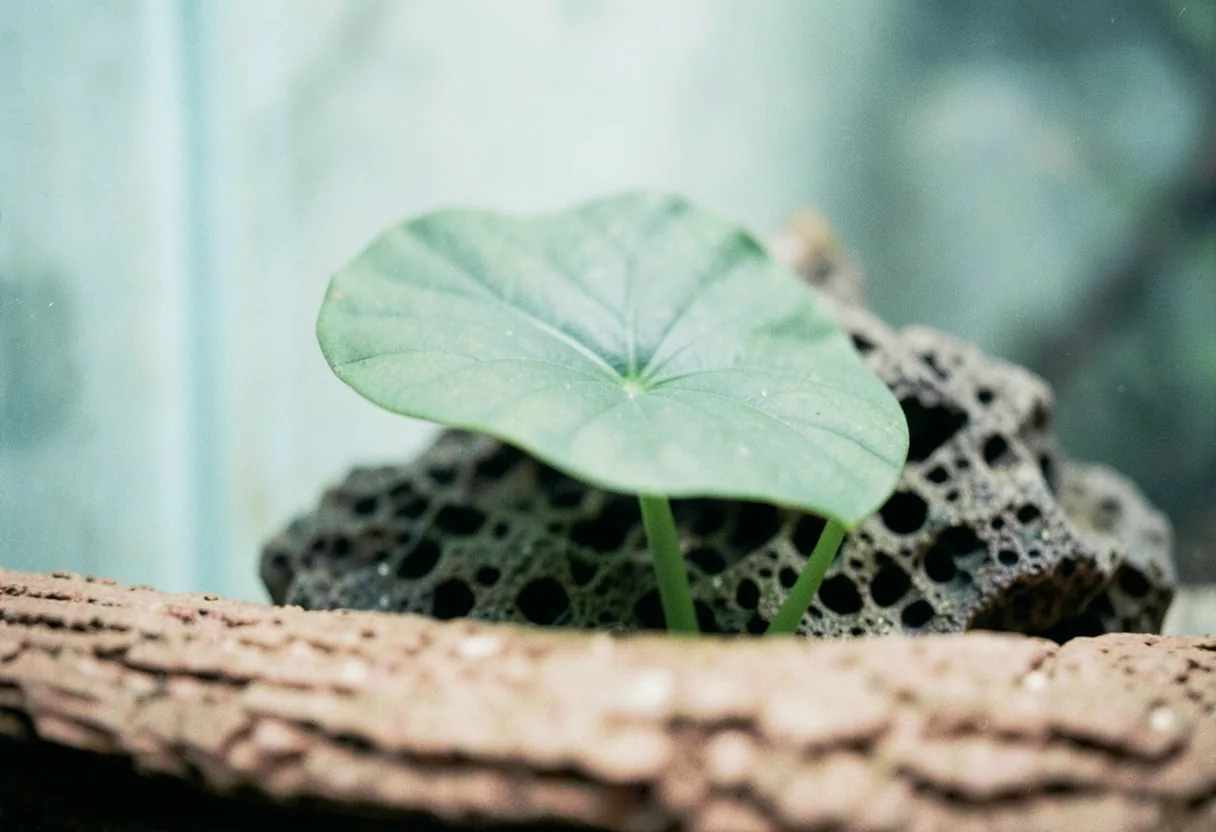
Java Fern is another excellent option for hard water aquariums. Its unique leaf structure and ability to attach to driftwood or rocks make it a versatile choice. However, it can be sensitive to sudden changes in water parameters, so gradual adjustments are key.
Java Fern’s adaptability is a boon for aquarists in Sevastopol, where water conditions can vary. It’s a plant that rewards careful maintenance with lush, green foliage that enhances any aquarium’s aesthetic.
03Amazon Sword (Echinodorus amazonicus)
The Amazon Sword is a popular choice for its rapid growth and striking appearance. It requires medium to high light levels and benefits from regular fertilization. However, it may struggle in very hard water if not properly maintained.
For those willing to put in the effort, the Amazon Sword can be a stunning addition to a hard-water aquarium. Its large leaves provide excellent cover and contribute to a natural, riverine aesthetic.
04Valisneria
Valisneria is known for its long, grass-like leaves that create a beautiful background in aquariums. It thrives in hard water conditions and is relatively easy to care for. However, it can outgrow its space quickly, requiring regular trimming.
Valisneria’s rapid growth makes it ideal for aquarists looking to create a dense, natural-looking environment. Its hardiness in Sevastopol’s water conditions makes it a reliable choice for both beginners and experienced aquarists.
05How to choose
- Hardness Tolerance: Ensure the plant can thrive in your specific water hardness levels.
- Light Requirements: Match the plant’s light needs with your aquarium’s lighting setup.
- Growth Rate: Consider how quickly the plant grows and whether you can maintain it.
- Aesthetic Preferences: Choose plants that complement your aquarium’s design and layout.
For Sevastopol aquarists, selecting the best aquarium plants for hard water conditions involves understanding local water parameters and choosing species that thrive in these environments. By considering factors like hardness tolerance, light requirements, and growth rate, you can create a vibrant and healthy aquarium that mirrors the natural beauty of Sevastopol’s marine ecosystems.
For more information on maintaining hard water conditions, refer to our guide on How to test and balance aquarium water in Sevastopol. Additionally, the Best water test kits for high carbonate hardness article provides valuable insights into selecting the right test kits for your aquarium.
Don’t forget to explore the local marine exhibits at the Malahov Mound and the Sevastopol Art Museum for inspiration and educational resources. These institutions offer a wealth of knowledge on Sevastopol’s unique aquatic environments.
When setting up your aquarium, always consider the specific needs of your chosen plants and the natural conditions of Sevastopol’s water supply. With the right plants and proper care, you can create a thriving aquatic ecosystem that reflects the beauty of the Black Sea region.
06Frequently asked questions
What makes Anubias barteri ideal for hard water?
Anubias barteri thrives in hard water thanks to its slow growth and preference for low light. Its broad leaves tolerate the high calcium and magnesium levels typical of hard water, making it a low-maintenance choice for aquarists. This plant attaches easily to rocks or driftwood, requiring minimal substrate.
How does Java Fern handle hard water conditions?
Java Fern is highly tolerant of hard water due to its ability to absorb nutrients through its leaves rather than roots. It flourishes in pH levels between 6.0 and 7.5, common in hard water environments. Attach it to decorations or driftwood, and avoid burying its rhizome to prevent rot.
Why is Vallisneria suitable for hard water aquariums?
Vallisneria, or tape grass, adapts well to hard water conditions because it’s a robust, fast-growing plant. It can tolerate a pH range of 6.0 to 8.0 and doesn’t require CO2 supplementation. Its long, grass-like leaves provide excellent cover for fish, enhancing aquarium aesthetics.
What maintenance tips are essential for hard water plants?
Regular pruning keeps plants like Anubias and Java Fern healthy. Use reverse osmosis or distilled water for partial water changes to reduce mineral buildup. Avoid over-fertilizing, as hard water already contains high levels of essential nutrients. Monitor pH levels to ensure they stay within the 6.5 to 7.5 range.