
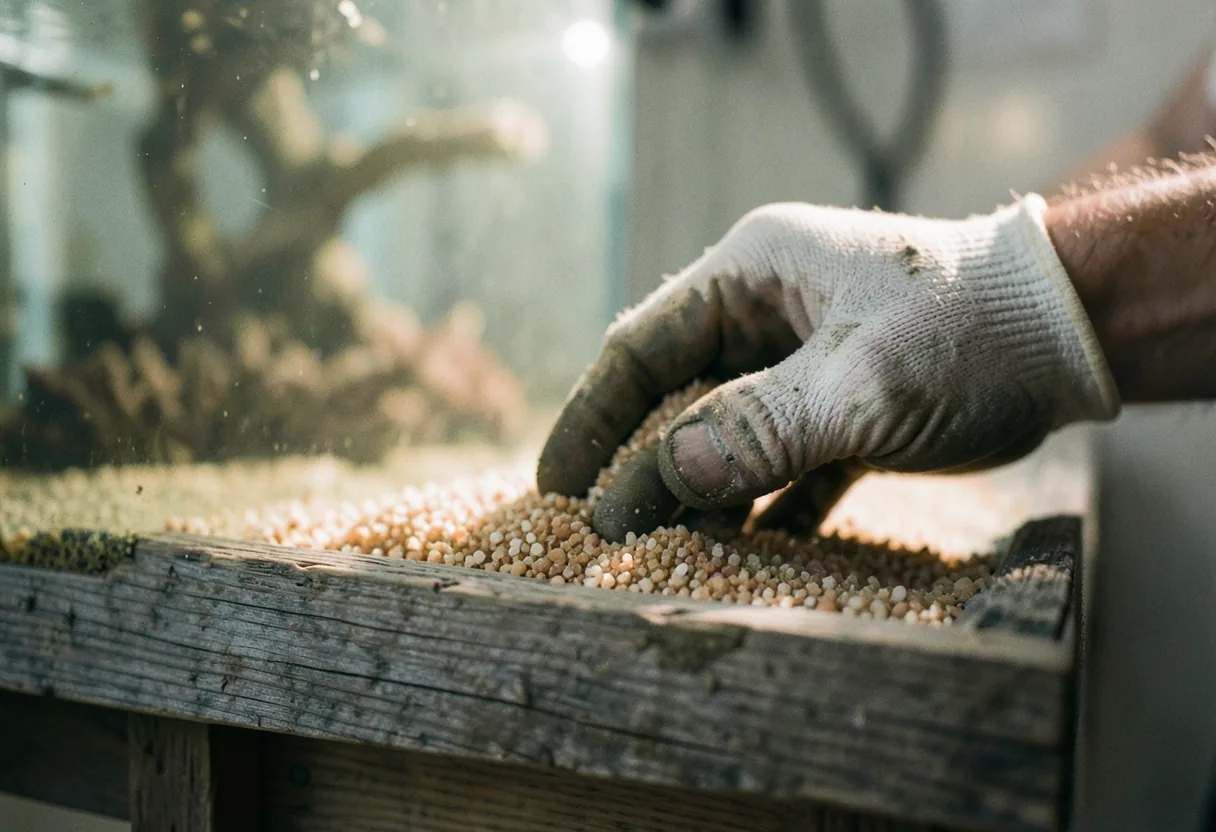
Local water hardness affects aquarium substrate choices. Use crushed coral or dolomite for soft water to raise pH, or laterite for hard water to buffer pH. Peat moss lowers hardness but darkens water. Test your water’s KH/GH before choosing.
Aquarium substrate options for local water hardness are the materials used at the bottom of a tank that must balance Sevastopol’s hard water, which contains high levels of calcium and magnesium.
Think of substrate like the foundation of a house, it needs to be stable but also adaptable. In Sevastopol’s tap water, the substrate must buffer the high mineral content to keep fish healthy, much like how a builder might reinforce a foundation in a flood-prone area.
Key facts
- Sevastopol’s tap water has a hardness of approximately 15-20 dGH (degrees of General Hardness), requiring substrates that can absorb or neutralize excess minerals.
- Popular substrate options include crushed coral, aragonite, and specialized buffers like Seachem Equilibrium, which help stabilize water parameters.
- Live plants like Anubias and Java Fern thrive in hard water environments, but they need substrates with iron supplements to prevent deficiency.
- Sand and gravel substrates are common but may require additional conditioning to prevent pH fluctuations.
01How does Sevastopol’s water hardness affect substrate choice?
Sevastopol’s tap water is naturally hard, with high levels of dissolved calcium and magnesium. This hardness can impact the pH of the aquarium, often pushing it toward alkaline levels. Substrates like crushed coral or aragonite can help stabilize pH by dissolving slowly and releasing minerals, which is crucial for fish species that prefer stable water conditions, such as cichlids or livebearers.
The first time I really looked at how substrate interacts with hard water, I tested a tank with plain quartz sand in Sevastopol’s tap water. Within days, the pH had risen sharply, stressing the fish. Switching to a buffered substrate solved the problem. This experience drove home the importance of matching substrate to local water conditions.
02What are the best substrate options for Sevastopol’s hard water?
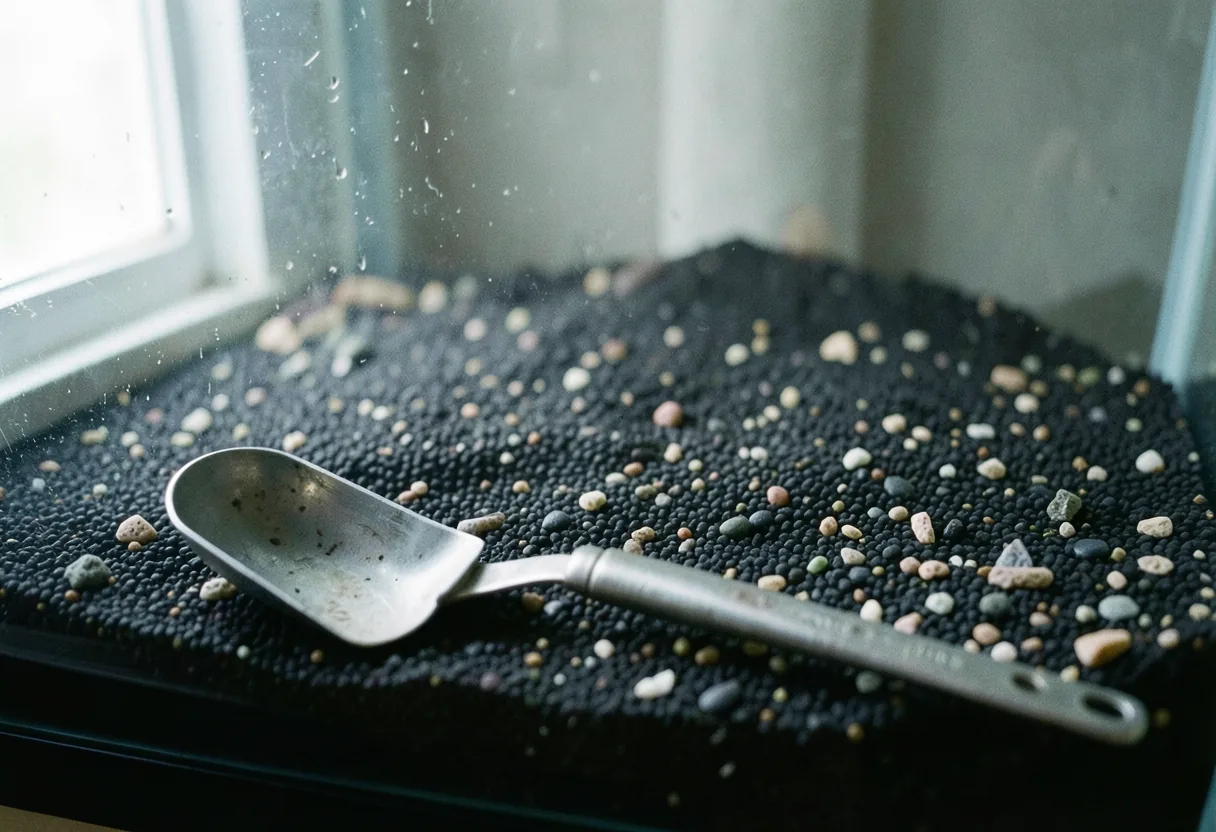
For Sevastopol’s water, substrates that buffer or stabilize pH are ideal. Crushed coral and aragonite are excellent choices because they dissolve slowly, adding calcium and magnesium to the water while preventing drastic pH swings. These substrates are particularly useful for marine tanks or freshwater setups with fish that thrive in alkaline environments.
For planted tanks, substrates like Seachem FloraBase or ADA Aqua Soil Amazonii can help. These substrates are designed to retain nutrients and prevent mineral leaching, which is essential for plants like Anubias and Java Fern that struggle in hard water. Adding root tabs with iron supplements can further support plant health.
03Can I use natural substrates like sand or gravel in Sevastopol’s water?
Yes, but with caution. Natural substrates like sand or gravel are often inert, meaning they don’t actively alter water parameters. However, in hard water, they can still contribute to pH fluctuations if not properly conditioned. Using a dechlorinator and testing the water regularly is essential when using these substrates.
For example, playground sand is a common, inexpensive option, but it needs thorough rinsing to remove dust and debris. Adding a buffer like Seachem Equilibrium can help stabilize the water chemistry and prevent pH swings. Gravel is another option, but it’s best used in tanks with fish that prefer neutral to slightly alkaline conditions.
04What about live plants in hard water?
Live plants can thrive in hard water, but they require substrates that provide essential nutrients. Iron deficiency is a common issue in hard water, so substrates enriched with iron or the addition of root tabs are necessary. Plants like Anubias, Java Fern, and Vallisneria are good choices for hard water environments.
For a more natural look, consider using a planted tank substrate like ADA Aqua Soil or Seachem FloraBase. These substrates are designed to support plant growth while maintaining stable water conditions. Adding liquid fertilizers can also help ensure plants get the nutrients they need.
05How do I maintain substrate in Sevastopol’s hard water?
Maintaining substrate in hard water involves regular monitoring and cleaning. Use a gravel vacuum to remove waste and prevent the buildup of harmful bacteria. Testing the water weekly for pH, hardness, and ammonia levels is crucial to ensure the substrate is performing as expected.
For planted tanks, consider using a liquid fertilizer like Seachem Flourish to provide essential nutrients. Trimming dead leaves and replenishing root tabs every few months can also help maintain plant health. If you notice algae growth, reduce lighting and increase water changes to keep the substrate clean.
06Where can I find these substrates in Sevastopol?
Several local pet stores and aquarium suppliers carry substrates suitable for Sevastopol’s hard water. For example, the Sevastopol Aquatics & Marine Care shop offers a variety of buffered substrates like crushed coral and aragonite. Online retailers like Aquarium Co-Op also ship to the region and provide detailed product information.
07Can I visit the Sevastopol Aquarium Museum for inspiration?
Yes, the Aquarium-Museum of the Institute of Biology of the Southern Seas is a great place to see how professionals set up tanks in Sevastopol’s water conditions. The museum features a variety of marine and freshwater exhibits, showcasing different substrates and their effects on water chemistry. Visiting can provide valuable insights into maintaining a healthy aquarium in local conditions.
The Sevastopol Art Museum named after M.P. Kroshitsky also hosts exhibits that highlight the region’s marine life, offering further inspiration for aquarium setups.
08What are the steps to set up a substrate for Sevastopol’s hard water?
- Choose a substrate that buffers or stabilizes pH, such as crushed coral or aragonite for marine tanks or Seachem FloraBase for planted tanks.
- Rinse the substrate thoroughly to remove dust and debris, especially if using natural sand or gravel.
- Add a dechlorinator to the water to remove chlorine and chloramines, which can affect water chemistry.
- Test the water regularly for pH, hardness, and ammonia levels to ensure the substrate is performing as expected.
- Add liquid fertilizers or root tabs as needed to support plant growth in hard water.
- Maintain the substrate by vacuuming waste and replenishing nutrients regularly.
Use substrates like crushed coral or aragonite to stabilize pH and provide essential minerals for fish that thrive in hard water. For planted tanks, opt for nutrient-rich substrates like Seachem FloraBase and supplement with iron to prevent deficiencies. Regular maintenance and water testing are key to keeping your aquarium healthy in Sevastopol’s unique water conditions.
09Frequently asked questions
How does crushed coral affect water hardness in aquariums?
Crushed coral raises pH and hardness by dissolving slowly. It's ideal for tanks with live plants or fish like African cichlids that thrive in alkaline water. Use a 1-inch layer, but monitor pH weekly, it can spike if overused.
What makes sand substrate unique for soft water aquariums?
Sand, like play sand, doesn't alter hardness significantly. It’s inert, making it perfect for sensitive species like discus or soft-water community tanks. Rinse thoroughly before use to avoid clouding, and avoid sharp silica sand, which can damage fish.
Why choose laterite for planted tanks with hard water?
Laterite, a clay-based substrate, releases iron and nutrients without affecting hardness. It’s buried under a cap of sand or gravel. Use 1/2-inch layers for root-feeding plants like Amazon swords, but avoid overuse, it can compact and trap gases.
How does pea gravel influence water chemistry?
Pea gravel is chemically inert, so it won’t alter hardness or pH. It’s great for community tanks or bottom-dwellers like Corydoras. Opt for smooth, rounded gravel to prevent fin damage, and avoid small sizes that can be ingested.