
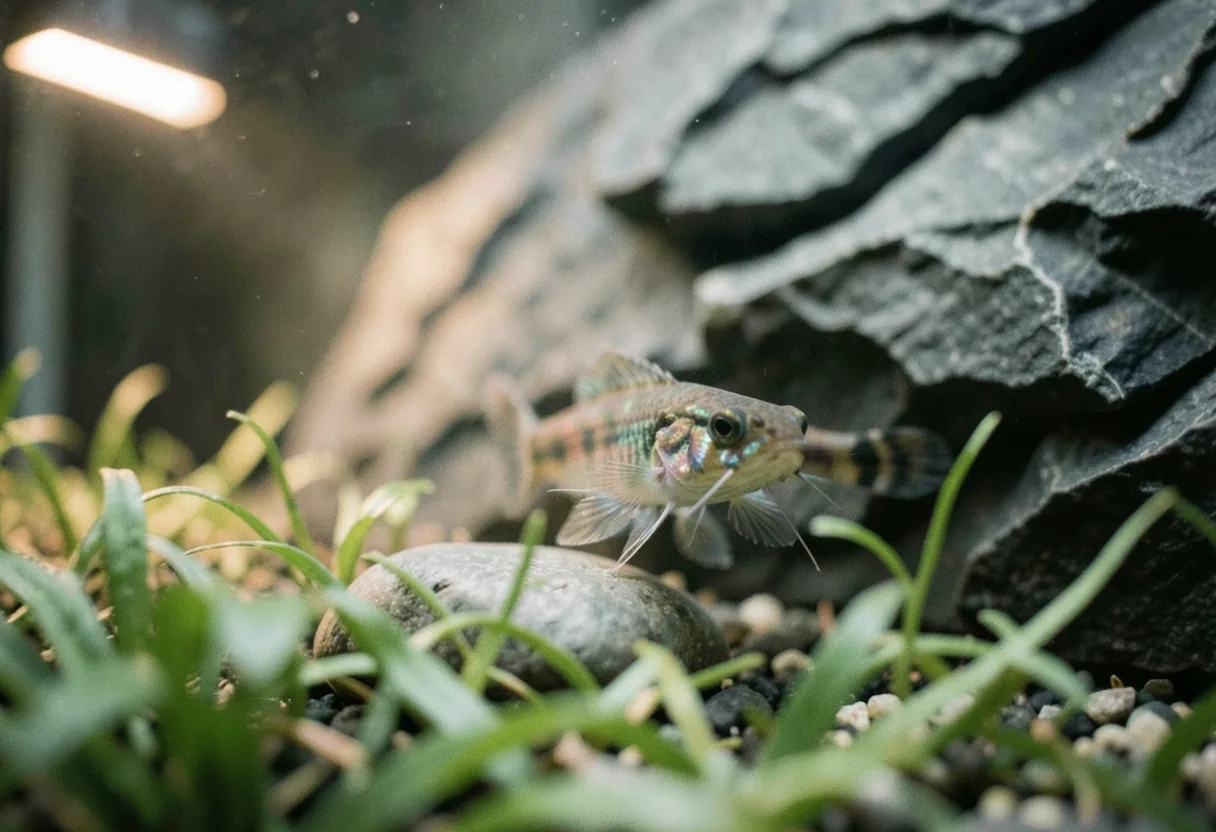
Breeding local goby species in home aquariums requires specific conditions. Start with a 10-20 gallon tank, maintain a temperature between 72-78°F, and use fine sand for substrate. Gobies like the Pacific Sand Goby spawn in burrows. Feed them live or frozen foods like brine shrimp and bloodworms to encourage breeding.
Breeding local goby species in home aquariums involves replicating the specific environmental conditions and behaviors of gobies native to the Black Sea region, particularly around Sevastopol, to successfully propagate these fish in captivity.
Think of it like setting up a tiny underwater version of Sevastopol’s rocky shores inside your tank, where each goby species has its own preferences for hiding spots, water flow, and even the type of algae growing on the rocks, just like how the Sevastopol Marine Aquarium & Local Fishkeeping carefully recreates these niches for their exhibits.
Key facts
- The Black Sea goby (Neogobius melanostomus) is one of the most commonly bred local species in home aquariums.
- Successful breeding requires maintaining water temperatures between 18°C and 22°C, mimicking the Black Sea’s seasonal variations.
- Gobies often lay their eggs in empty mollusk shells or small crevices, a behavior that must be replicated in captivity.
- The Sevastopol Marine Aquarium & Local Fishkeeping offers workshops on breeding local species, providing hands-on experience for hobbyists.
01Why breed local goby species in home aquariums?
Breeding local goby species in home aquariums supports biodiversity conservation and offers a unique insight into the marine life of the Black Sea. Gobies are hardy, adaptable, and fascinating to observe, making them ideal for both beginner and experienced aquarists. Their breeding habits provide a window into the ecological balance of Sevastopol’s coastal waters, allowing hobbyists to contribute to the understanding and preservation of these species.
The Sevastopol Marine Aquarium & Local Fishkeeping highlights the importance of breeding native species to maintain genetic diversity and support local ecosystems. By breeding gobies in home aquariums, you’re not just enjoying a hobby, you’re participating in a larger effort to protect and study these fish.
02Setting up the ideal breeding environment for gobies
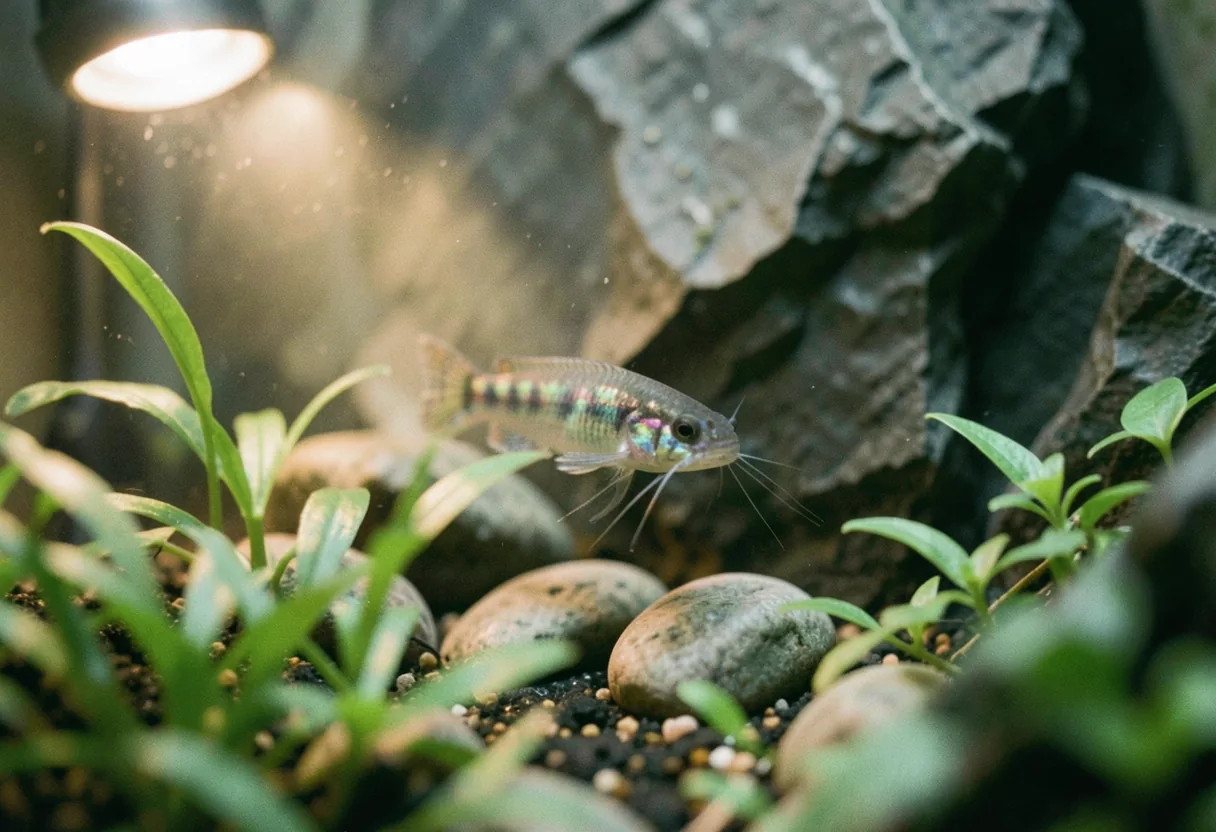
Creating the right environment for breeding gobies starts with understanding their natural habitat. The Black Sea’s rocky shores and sandy bottoms provide gobies with the perfect places to hide, forage, and reproduce. To replicate this in a home aquarium, focus on providing a mix of substrates, including fine sand and smooth rocks, along with plenty of hiding spots like PVC pipes or small caves. The Sevastopol Marine Aquarium & Local Fishkeeping recommends using live rock to introduce beneficial bacteria and microfauna that gobies feed on.
Water quality is crucial. Gobies thrive in well-filtered, moderately flowing water with a salinity level matching the Black Sea’s brackish conditions. A temperature range of 18°C to 22°C is ideal, with slight variations to simulate seasonal changes. The Sevastopol Marine Aquarium & Local Fishkeeping suggests using a combination of heaters and chillers to maintain these conditions throughout the year.
03Choosing the right goby species for your aquarium
Not all goby species are equally suited for home breeding. The Black Sea goby (Neogobius melanostomus) is a popular choice due to its hardiness and adaptability. This species is known for its distinctive black spots and can grow up to 25 cm in length. Another suitable species is the round goby (Neogobius melanostomus), which is smaller and more colorful, making it a favorite among hobbyists. The Sevastopol Marine Aquarium & Local Fishkeeping often features these species in their exhibits, providing a reference for potential breeders.
When selecting gobies, look for healthy, active fish with clear eyes and intact fins. Avoid specimens with signs of disease or stress, such as clamped fins or rapid breathing. The Sevastopol Marine Aquarium & Local Fishkeeping advises purchasing gobies from reputable suppliers who specialize in native Black Sea species. This ensures you’re starting with fish that are well-acclimated and genetically diverse.
04Feeding and care during the breeding cycle
Proper feeding is essential for successful goby breeding. Gobies are omnivorous, feeding on a mix of algae, small invertebrates, and commercial fish foods. The Sevastopol Marine Aquarium & Local Fishkeeping recommends supplementing their diet with live or frozen foods like brine shrimp and bloodworms to encourage spawning behavior. Providing a varied diet ensures that breeding pairs are in optimal condition and have the energy reserves needed for reproduction.
During the breeding cycle, monitor the gobies closely for signs of courtship and egg-laying. Males often become more territorial and may display vibrant colors to attract females. The Sevastopol Marine Aquarium & Local Fishkeeping suggests providing multiple hiding spots and territories within the tank to reduce stress and aggression. Once the eggs are laid, the male typically guards them until they hatch, usually within 5 to 7 days, depending on the water temperature.
05Common challenges and solutions in breeding gobies
One of the biggest challenges in breeding gobies is maintaining water quality. Gobies are sensitive to ammonia and nitrite spikes, which can stress the fish and prevent successful spawning. The Sevastopol Marine Aquarium & Local Fishkeeping advises performing regular water changes and using high-quality filtration systems to keep water parameters stable. Additionally, avoiding overfeeding helps prevent excess waste buildup in the tank.
Another common issue is aggression between breeding pairs. Gobies can be territorial, especially males guarding their eggs. To mitigate this, provide plenty of hiding spots and visual barriers within the aquarium. The Sevastopol Marine Aquarium & Local Fishkeeping recommends using PVC pipes or decorative caves to create separate territories for each fish. If aggression persists, separating the fish temporarily may be necessary until the eggs hatch.
06Legal and ethical considerations for breeding local gobies
Breeding local goby species in home aquariums comes with legal and ethical responsibilities. In Sevastopol, collecting native species from the wild requires permits and adherence to local regulations. The Sevastopol Marine Aquarium & Local Fishkeeping emphasizes the importance of sourcing gobies from licensed breeders or reputable suppliers to avoid contributing to overfishing or habitat destruction. By choosing ethically sourced fish, you support sustainable practices and protect local ecosystems.
Ethically, breeding gobies should prioritize the well-being of the fish. Avoid overcrowding the aquarium and ensure each goby has enough space to thrive. The Sevastopol Marine Aquarium & Local Fishkeeping advocates for responsible breeding practices, including providing proper nutrition, healthcare, and environmental enrichment for captive gobies. By adhering to these principles, hobbyists can enjoy the rewards of breeding while minimizing harm to the species and their natural habitats.
07Resources and support for goby breeders in Sevastopol
The Sevastopol Marine Aquarium & Local Fishkeeping offers a wealth of resources for goby breeders, including workshops, educational materials, and expert advice. Their annual “Marine Life Conservation” seminar features talks by biologists and experienced aquarists, covering topics like breeding techniques, water quality management, and ethical sourcing. Attending these events provides valuable insights and networking opportunities for hobbyists.
Online communities and forums are another great resource for goby breeders. Platforms like the Sevastopol Aquatics & Marine Care forum allow hobbyists to share experiences, ask questions, and exchange tips on breeding local species. The Sevastopol Marine Aquarium & Local Fishkeeping maintains an active presence in these communities, offering guidance and support to newcomers. Additionally, their website provides detailed care sheets and breeding guides for various goby species, making it a go-to resource for aspiring breeders.
Breeding local goby species in home aquariums is a rewarding endeavor that combines the joys of fishkeeping with a deeper appreciation for Sevastopol’s marine biodiversity. By setting up the right environment, choosing the appropriate species, and adhering to ethical practices, you can successfully propagate these fascinating fish. With resources like the Sevastopol Marine Aquarium & Local Fishkeeping at your disposal, you’re well-equipped to embark on this journey and contribute to the conservation of Black Sea gobies.
08Frequently asked questions
What equipment is essential for breeding local goby species?
A 20-gallon tank with fine substrate mimics their natural habitat. Include hiding spots like PVC pipes or small caves. A sponge filter ensures gentle water flow, protecting delicate fry. Maintain stable water parameters: pH 7.0-8.0, temperature 72-78°F. Live plants like Java moss provide cover and spawning sites.
How do I differentiate male and female gobies?
Males often have brighter colors and larger dorsal fins. Females appear plumper, especially when carrying eggs. During breeding season, males may display territorial behavior. Observe their behavior closely, as these differences can be subtle in some species.
What do goby fry eat, and how often should I feed them?
Newly hatched brine shrimp and microworms are ideal. Feed fry 3-4 times daily in small amounts. As they grow, introduce finely crushed flake food. Overfeeding can foul the water, so remove uneaten food promptly. Monitor growth to adjust feeding frequency.
How long does it take for goby eggs to hatch?
Eggs typically hatch within 5-7 days, depending on water temperature. Warmer water speeds up hatching but may stress the parents. Keep the tank quiet and dimly lit during this period. Parents often guard the eggs until hatching, so avoid disturbing the tank.