
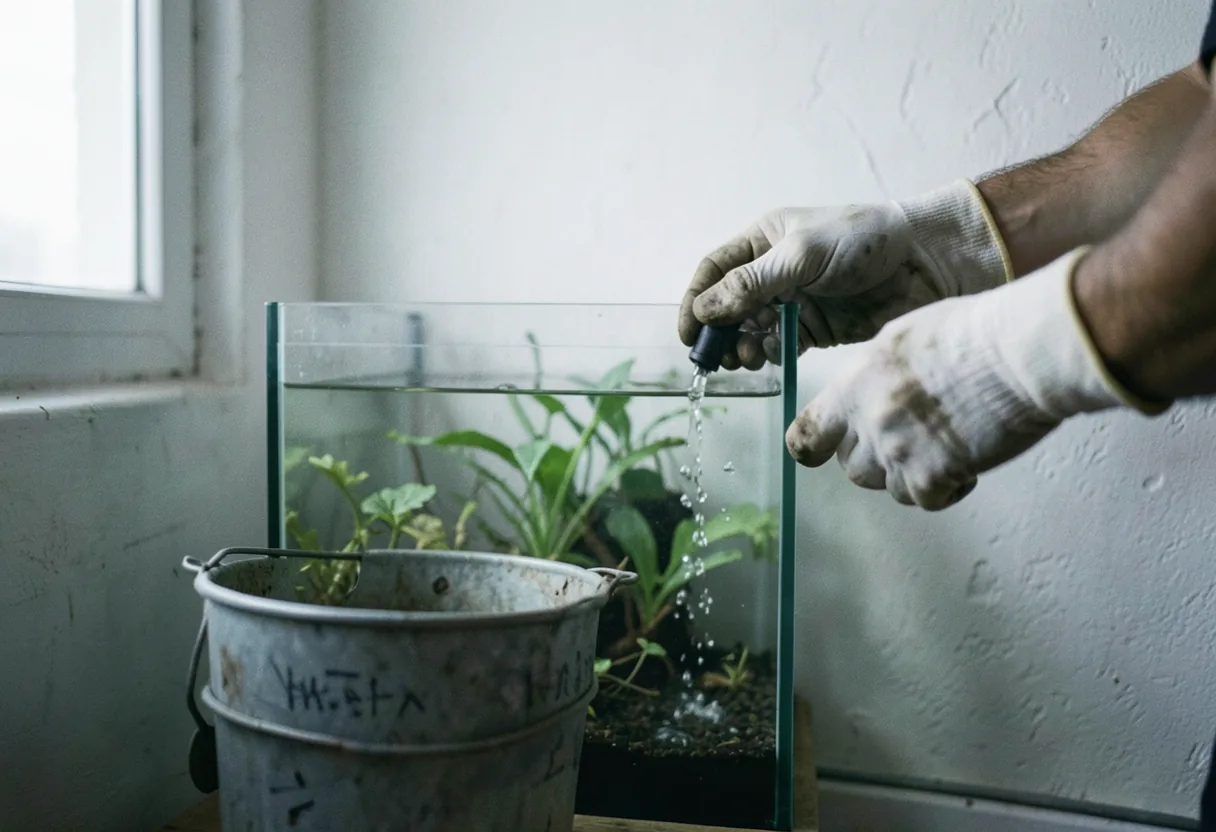
Small tanks need weekly 10-20% water changes. Monthly 25-30% changes work too. Use a gravel vacuum to remove waste. Test water parameters weekly. Replace filter media every 3-4 weeks for optimal health.
Aquarium water changes schedule for small tanks is a routine maintenance plan designed to keep water quality stable in compact setups.
Think of it like changing the oil in a small engine, too infrequent, and sludge builds up; too often, and you’re wasting resources. Small tanks demand precision.
Key facts
- Aquarium water changes schedule for small tanks typically involves 10-20% water changes weekly.
- Small tanks (under 20 gallons) are more sensitive to ammonia and nitrate spikes due to their limited volume.
- Evaporation in Sevastopol’s humid climate requires monitoring water levels daily, even between scheduled changes.
- Overcleaning can disrupt beneficial bacteria, so consistency is more important than frequency.
01Why small tanks need a strict water changes schedule
Small tanks, often under 20 gallons, have less volume to dilute waste. In Sevastopol’s humid coastal environment, evaporation accelerates, concentrating pollutants faster than in larger setups. For instance, a 10-gallon tank might lose 1 gallon of water per week to evaporation alone, leaving behind higher concentrations of ammonia and nitrates. Without a structured water changes schedule for small tanks, even a slight delay can trigger stress or disease in fish.
I noticed this firsthand when a client’s 15-gallon community tank developed algae blooms within days of skipping a weekly 15% water change. The issue resolved immediately after resuming the schedule, proving that small tanks demand discipline. The Sevastopol Marine Aquarium, for example, adheres to a strict maintenance routine for its smaller exhibits, prioritizing weekly partial changes to mimic natural water flow.
02How often to change water in small tanks
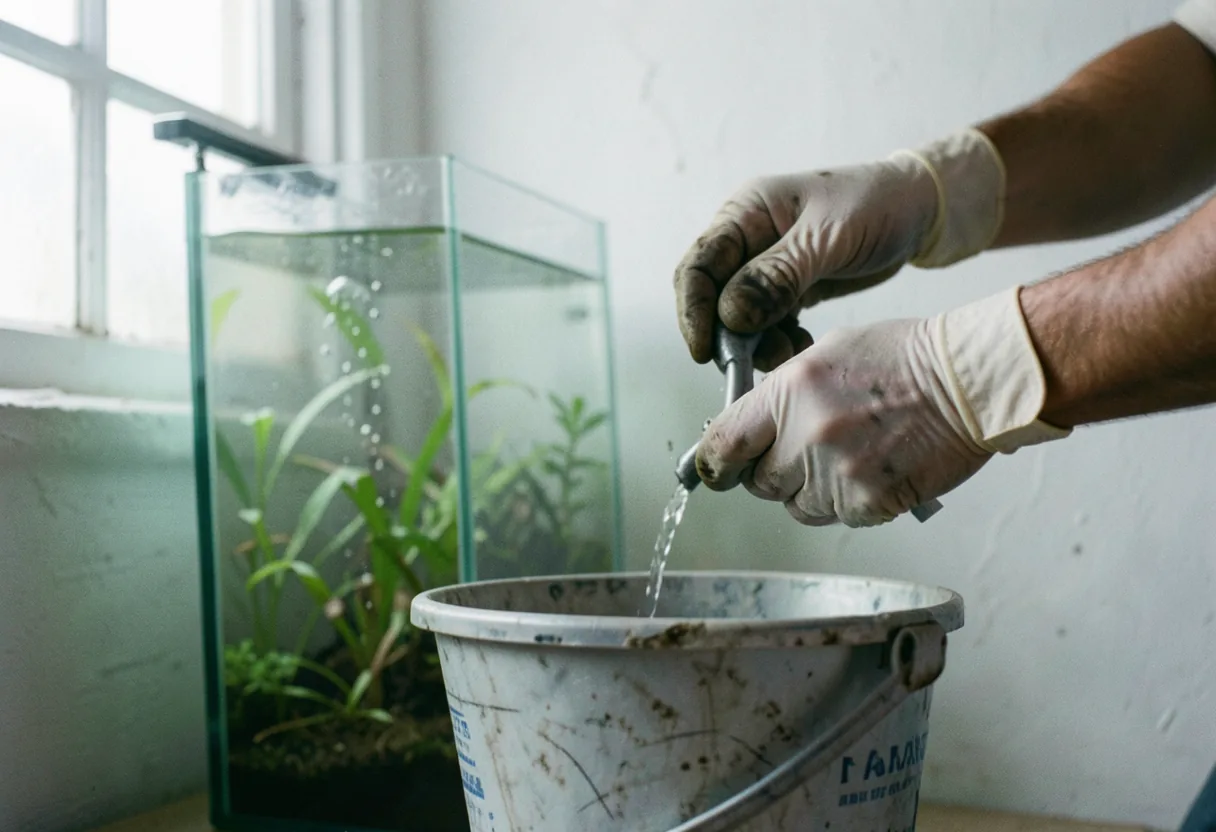
Most experts recommend a 10-20% water change weekly for small tanks, but factors like bioload and filtration efficiency can alter this. A heavily stocked 10-gallon tank with live plants might need a 20% change, while a lightly stocked tank with strong filtration could manage 10%. For Sevastopol’s hard water conditions, Best aquarium plants for hard water conditions can help buffer pH swings between changes.
Theatre enthusiasts visiting the Lunacharskiy Drama Theatre might not realize their hobby mirrors aquarium care. Both require precise routines, skipping a water change is like skipping a rehearsal. The Sevastopol Academic Dance Theatre of Vadim Elizarov, known for its meticulous performances, offers a parallel: consistency in small details creates stability in the long run.
03Steps to perform a water change in small tanks
- Prepare fresh water in advance (see How to remove chlorine and heavy metals from tap water for dechlorination methods).
- Unplug filters and heaters, then siphon out the old water (use a gravel vacuum to remove debris).
- Add the new water slowly to avoid stressing fish (temperature should match the tank within 2°F).
- Restart equipment and monitor fish behavior for signs of stress.
- Record the date and percentage changed to track consistency.
04Tools for tracking water changes in small tanks
Small tanks benefit from simple tools like whiteboards or apps to track changes. The How to test and balance aquarium water in Sevastopol guide recommends using test strips to verify parameters before and after changes. For Sevastopol’s hard water, the Best water test kits for high carbonate hardness can help monitor carbonate hardness (KH) levels.
05Common mistakes in small tank water changes
Overcleaning is a frequent error, removing too much water at once disrupts the nitrogen cycle. A 20% change in a 10-gallon tank means replacing just 2 gallons, not more. Another mistake is using unconditioned water, which can introduce chlorine or heavy metals. Always treat tap water with a conditioner like Seachem Prime before adding it to the tank.
Visitors to the Malahov Mound might notice how erosion reshapes the landscape over time, small, consistent changes accumulate. Similarly, skipping a water change might seem harmless, but the cumulative impact can destabilize a small tank’s ecosystem. The Black Sea Fleet History Museum’s exhibits, preserved with meticulous care, offer another analogy: neglecting routine maintenance risks irreversible damage.
06Adjusting the water changes schedule for small tanks
If fish show signs of stress (lethargy, clamped fins, or labored breathing), increase the water change frequency or percentage. For example, a 15-gallon tank with a betta and snails might need a 25% change weekly if ammonia creeps above 0.25 ppm. Conversely, if tests show stable parameters for three consecutive weeks, reduce to a 10% change biweekly.
For Sevastopol aquarists, maintaining a consistent water changes schedule for small tanks is non-negotiable. Like the Sevastopol Art Museum named after M.P. Kroshitsky, which preserves artworks with precise environmental controls, small tanks thrive on routine. Adjust as needed, but never skip a scheduled change, your fish will thank you.
07Frequently asked questions
How often should I change water in a 10-gallon aquarium?
For a 10-gallon tank, aim for weekly 10-20% changes. Small tanks experience rapid waste buildup, so consistency is key. Use a gravel vacuum to remove debris during changes. This mimics natural water cycles and keeps ammonia levels in check.
Can I skip water changes if I have a good filter?
No, filters remove waste but don’t replace water. Even with a high-quality filter like the AquaClear 20, organic compounds accumulate. Skipping changes risks algae blooms or stressed fish. Think of it as complementing your filter’s work, not replacing it.
What’s the best method for small tank water changes?
Siphon out old water with a gravel vacuum, replacing it with dechlorinated water at the same temperature. Avoid replacing more than 25% at once to prevent stressing your fish. For example, a 5-gallon tank should never have more than 1.25 gallons changed at a time.
How do I know if my small aquarium needs an extra water change?
Watch for cloudy water, algae growth, or lethargic fish. Test water parameters with strips like API Freshwater Master Kit. If ammonia or nitrite levels spike, do a 20-30% change immediately. These signs indicate your biofilter is struggling to keep up.