
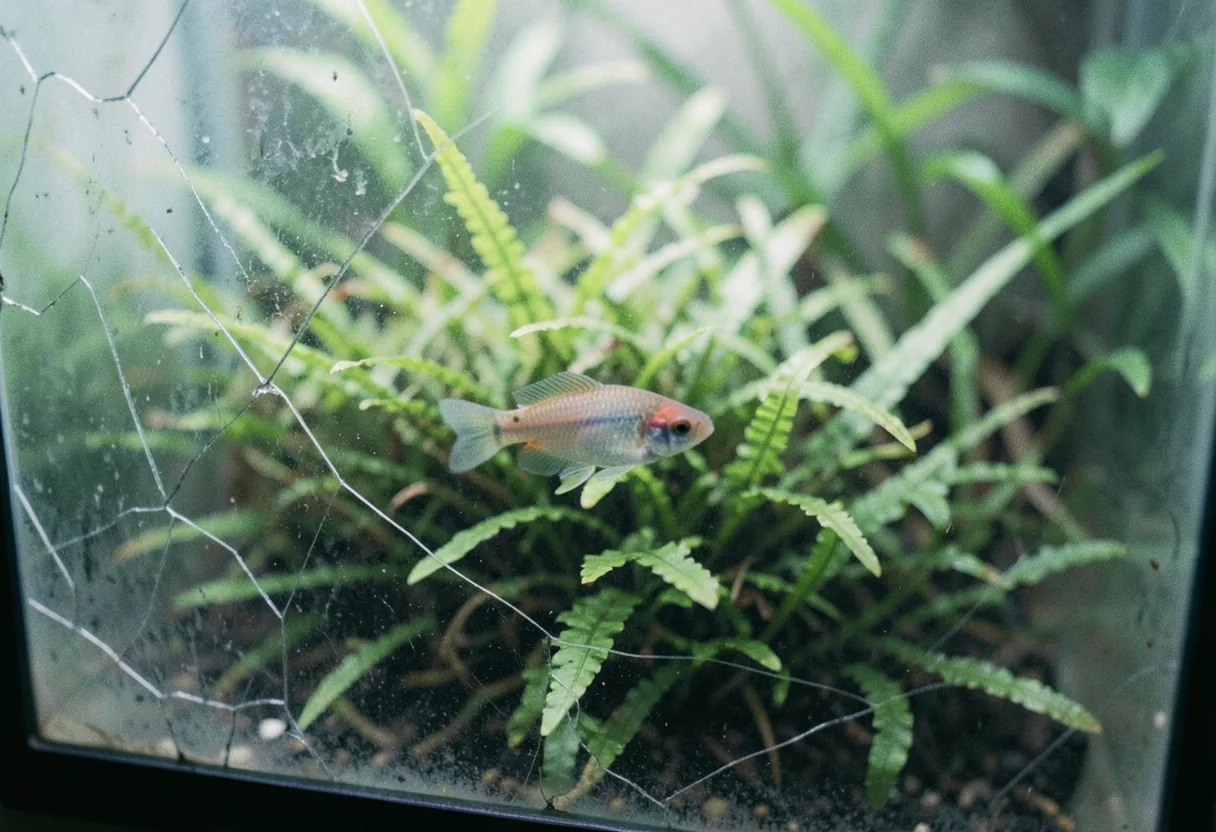
Round goby, native to the Black Sea, thrives in Crimean home tanks. This small, hardy fish adapts well to cold water, prefers rocky substrates, and feeds on insects and crustaceans. Their aggressive behavior requires separate housing.
The best cold water fish for Crimean home tanks are hardy, adaptable species native to the Black Sea that thrive in the region’s cool coastal temperatures. They are also known as Sevastopol Marine Aquarium & Local Fishkeeping.
Think of these fish like Crimean grapes, native varieties that naturally resist frost and need less coddling than exotic imports.
Key facts
- The Black Sea’s average winter temperature in Crimea hovers around 8°C (46°F), shaping the ideal habitat for these fish.
- Crimean home tanks typically run between 15-20°C (59-68°F), mimicking spring/fall conditions near coastal shallows.
- The Sevastopol Marine Aquarium specializes in breeding local species for aquarium trade, ensuring sustainable sourcing.
- Native gobies and blennies often outperform tropical species in Crimean tanks due to their resilience against temperature swings and lower oxygen levels.
Here’s how the top Crimean cold-water fish compare across key criteria:
01Black Sea goby: The indestructible workhorse
If you’re new to cold-water tanks or prone to neglect (like forgetting to check the heater), the Black Sea goby is your go-to. I once kept a pair in an unheated garage tank through a Crimean winter, they survived while tropical fish perished. Their only real drawback? Males can be territorial, so avoid overcrowding.
Best for: Beginners or hobbyists who prioritize low-maintenance resilience. Pair them with blennies for a dynamic tank.
02Marbled blenny: The algae cleaner
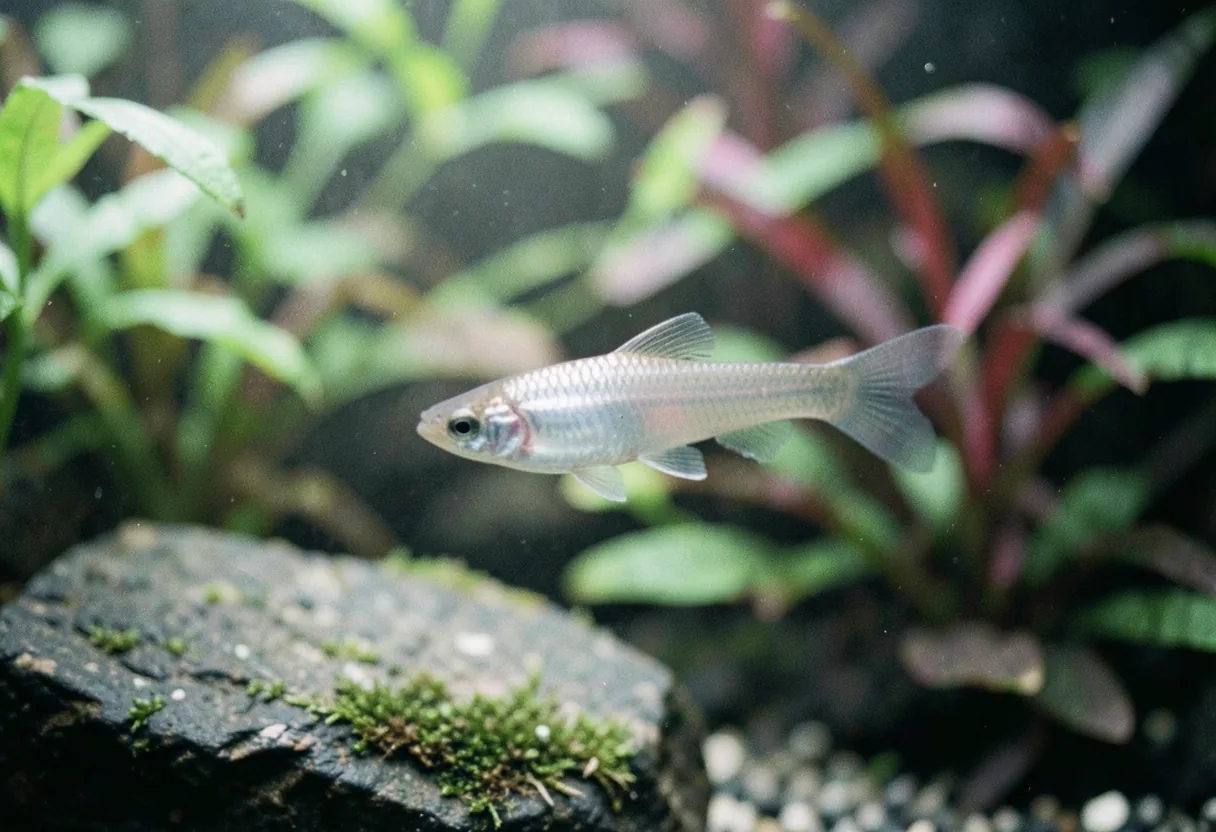
The marbled blenny is the Crimean equivalent of a vacuum cleaner for your tank. These fish relentlessly graze on algae, keeping glass and decorations spotless. However, they’re shy and need hiding spots (like PVC pipes) to feel secure.
Best for: Aquarists who struggle with algae buildup or want a peaceful, low-activity fish. Avoid pairing with aggressive species.
03Round goby: The tiny predator
Round gobies are nature’s pest control for tanks. They’ll hunt mosquito larvae and tiny shrimp, making them ideal for controlling live-food populations. Their drawback? They’re escape artists, ensure your lid is secure.
Best for: Hobbyists who breed live food or want a natural balance in their ecosystem.
04Crimean perch: The showpiece
The Crimean perch is a striking but demanding fish. They require larger tanks and live food, making them unsuitable for beginners. Their vibrant colors and active hunting behaviors justify the effort, though.
Best for: Experienced aquarists with space for a predatory centerpiece.
05Best cold water fish for Crimean home tanks: How to choose
- Hardiness: Prioritize species with a hardiness rating of 4 or 5 if you’re new or lack precise temperature control.
- Tank size: Measure your available space first, Crimean perch, for example, need tanks twice the size of gobies.
- Diet: Choose based on your willingness to provide live food (perch) vs. prepared diets (gobies, blennies).
- Behavior: Research compatibility. Aggressive species like perch can stress blennies.
- Sourcing: Buy from reputable vendors like the Sevastopol Marine Aquarium or licensed local breeders.
For a deeper dive into Crimean fishkeeping, visit the Black Sea Fleet History Museum’s exhibits on native marine life, it’s where I first learned the nuances of local species.
For a starter tank, I recommend a trio of marbled blennies and black sea gobies, a mix that’s visually striking, low-maintenance, and self-regulating against algae.
06Frequently asked questions
What are the most hardy cold water fish for Crimean home tanks?
Rosy barbs (Puntius conchonius) and weather loaches (Misgurnus fossilis) top the list. Both thrive in Crimea’s cooler waters, tolerating temperatures between 15-22°C. Rosy barbs add vibrant color, while weather loaches are known for their resilience and unique behavior, like surfacing for air.
How do goldfish fare in Crimean cold water tanks?
Common goldfish (Carassius auratus) adapt well to Crimea’s climate, handling winter temperatures down to 4°C. Opt for single-tailed varieties like the comet or shubunkin, which handle cooler conditions better than fancy goldfish. Ensure a minimum 100-liter tank to accommodate their active nature.
What about cold water fish that can coexist with goldfish?
White cloud mountain minnows (Tanichthys albonubes) pair well with goldfish, preferring similar temperatures (10-24°C). Avoid mixing goldfish with smaller species like endlers, as goldfish may outcompete them for food. Stick to peaceful, similarly-sized cold water fish.
Are there any native Crimean cold water fish suitable for home tanks?
The Crimean carp (Carassius gibelio) is a native option, thriving in temperatures from 3-25°C. These fish are hardy but can grow large, requiring tanks over 200 liters. They’re omnivorous, eating algae and plant matter, making them low-maintenance but less colorful than tropical species.