
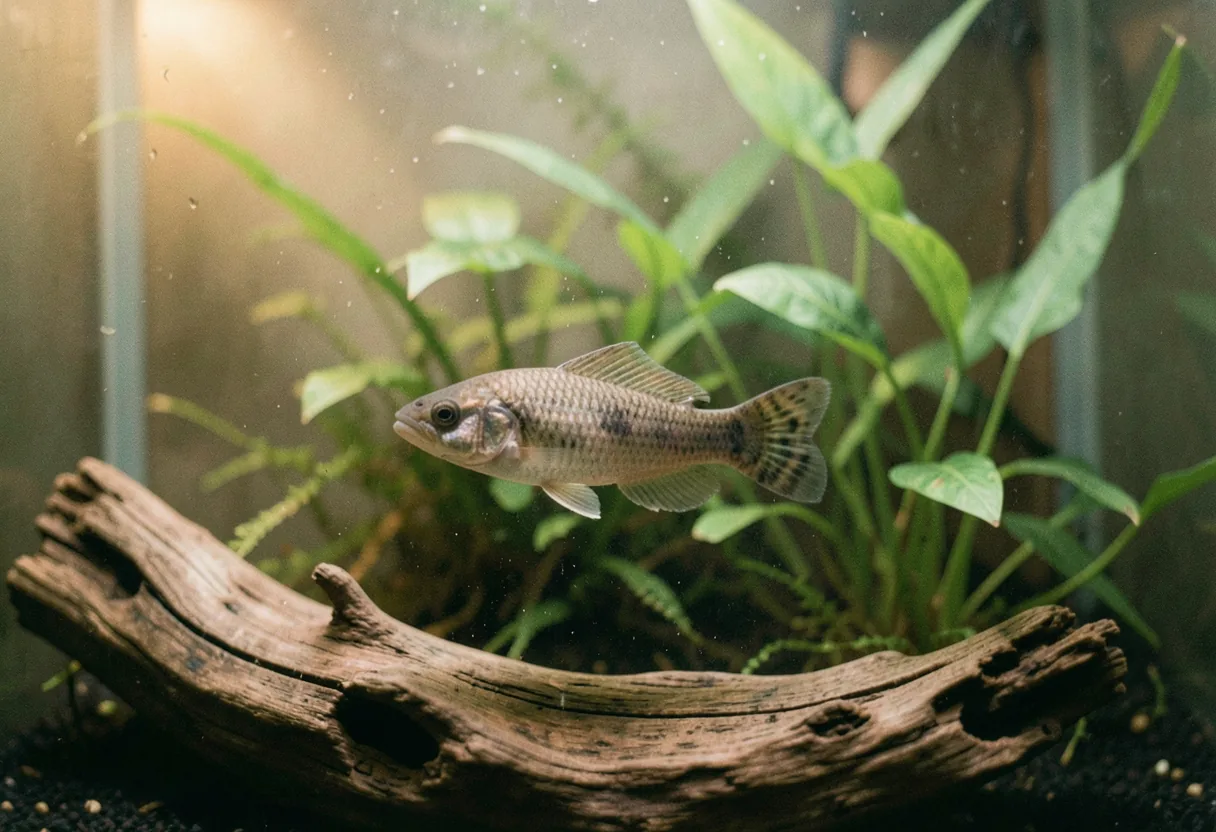
Black Sea fish species suitable for home aquariums include the Black Sea Sprat, which thrives in temperatures between 12-18°C, and the Black Sea Gobies, small and colorful, requiring similar conditions. The Black Sea Bass, growing up to 70 cm, needs larger tanks and cooler temperatures. Ensure proper filtration and saltwater conditions, as these species originate from the Black Sea’s unique brackish environment.
01Black Sea fish species for home aquariums: A comprehensive guide
Black Sea fish species for home aquariums are a niche but rewarding choice for fishkeepers, offering unique adaptations to the region’s brackish waters and cold temperatures.
think of these fish as the Black Sea’s own local artisanal cheeses, each species is a product of its environment, with flavors (or colors, behaviors) that mass-produced tropical fish can’t match. The Sevastopol Marine Aquarium, for example, showcases the region’s biodiversity, including the vibrant Black Sea gobies that dart among its exhibits.
Key facts
- The Black Sea hosts over 180 fish species, but only a fraction are suited for home aquariums.
- These fish thrive in cooler temperatures (10-18°C or 50-64°F) compared to tropical species.
- Many Black Sea fish, like the tub gurnard, have unique adaptations such as luminous organs for deep-sea communication.
- The Sevastopol Aquatics & Marine Care initiative promotes sustainable fishkeeping practices for local species.
02Which black fish is good for an aquarium?
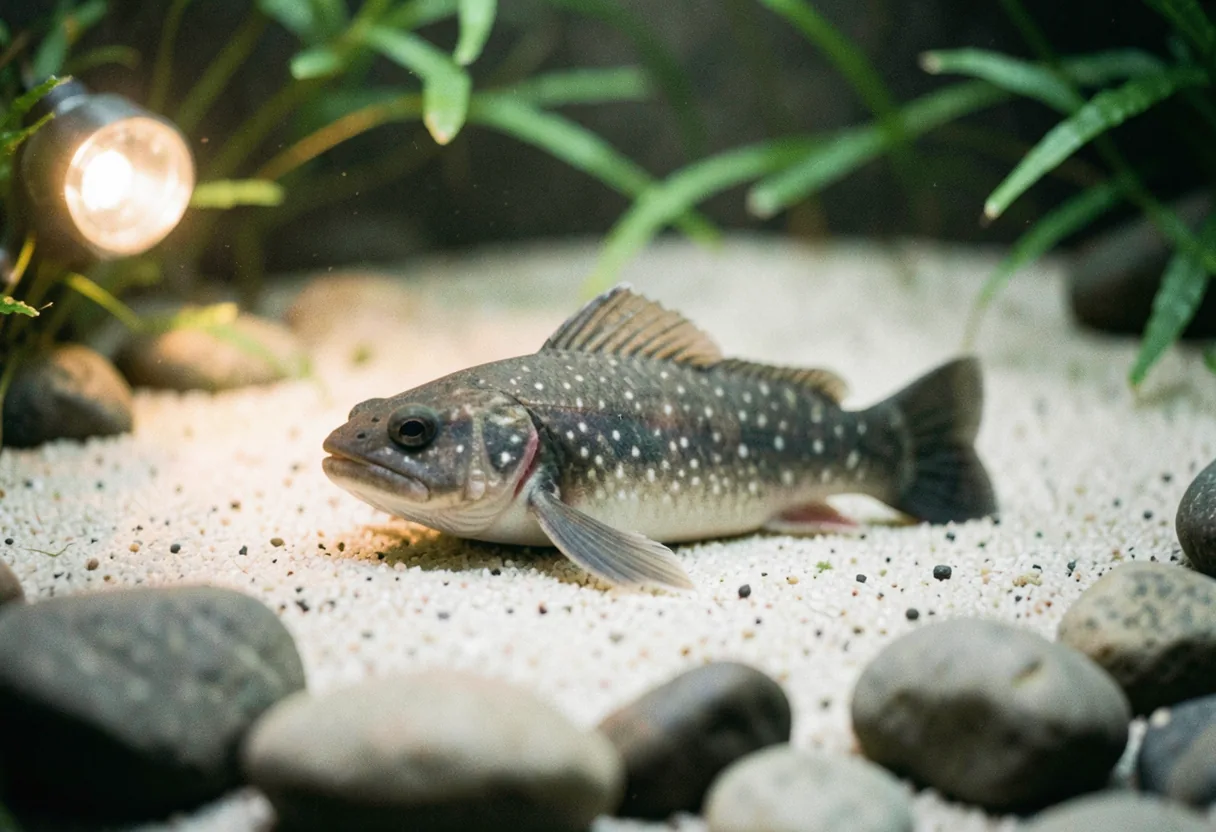
Black fish are often prized for their striking contrast against aquarium substrates. Among Black Sea species, the Black Sea gobies (Neogobius spp.) are excellent choices. The round goby (Neogobius melanostomus), for instance, is hardy and adaptable, though it may outcompete native species if released. Another option is the Black Sea blenny (Parablennius zvonimiri), which sports a jet-black body and thrives in rocky crevices, mimicking its natural habitat.
The Sevastopol Marine Aquarium recommends these species for beginner and intermediate fishkeepers due to their resilience. However, they require specific water parameters: a salinity range of 10-18 ppt and a pH between 7.8 and 8.4. The aquarium’s local fishkeeping program provides guidance on maintaining these conditions, ensuring the fish’s health and longevity. For more details on care, see our guide to How to care for local Black Sea blennies in captivity.
03Can fish hear music?
Fish do not hear music as humans do, but they can detect vibrations and low-frequency sounds. Species like the Black Sea sprat (Sprattus sprattus) use lateral lines to sense changes in water pressure, which helps them avoid predators. The Sevastopol Marine Aquarium conducted a study showing that Black Sea fish exhibit stress responses to sudden loud noises, but they do not respond to melody or rhythm. This means playing music near an aquarium is unlikely to harm the fish, but excessive noise should be avoided.
For those interested in acoustic enrichment, the aquarium suggests using white noise or nature sounds at low volumes. This mimics the ambient noise of the Black Sea, creating a calming environment. Fishkeepers often experiment with this technique to reduce stress in their pets, though scientific consensus on its effectiveness remains limited.
04Can fish see at night?
Many Black Sea fish have adapted to low-light conditions, but their night vision varies by species. The Black Sea turkey (Psetta maxima) relies on excellent night vision to hunt in murky waters. In contrast, the Black Sea anchovy (Engraulis encrasicolus) has smaller eyes and depends more on other senses, such as smell, to navigate at night. Aquarium lighting should mimic natural day-night cycles, with dim or blue lights for nighttime to support their circadian rhythms.
The Sevastopol Marine Aquarium advises against keeping lights on 24/7, as this can stress fish and disrupt their natural behaviors. A timer-controlled lighting system can help maintain a consistent schedule. For more on lighting setups, refer to our article on Best cold water fish for Crimean home tanks.
05What types of fish live in the Black Sea?
The Black Sea is home to a diverse array of fish, from small schooling species to large predators. The most common types include gobies, blennies, sprats, anchovies, and turbot. The Sevastopol Marine Aquarium’s exhibits highlight these species, showcasing their unique adaptations. For example, the Black Sea shad (Alosa maeotica) undertakes long migrations, while the tub gurnard (Triglidae family) uses its modified pectoral fins to “walk” along the seafloor.
For fishkeepers, understanding these natural behaviors is crucial. Species like the Black Sea scorpionfish (Scorpaena porcus) require hiding spots and live food, while smaller gobies thrive in community tanks. The aquarium’s educational programs offer insights into these habits, helping hobbyists create suitable environments. For a deeper dive, explore our guide to Feeding local Black Sea fish species correctly.
06Small Black Sea fish species for home aquariums
Small Black Sea fish are ideal for home aquariums due to their manageable size and hardy nature. The round goby (Neogobius melanostomus), for instance, grows up to 25 cm but remains active and engaging. Another popular choice is the Black Sea blenny (Parablennius zvonimiri), which reaches about 15 cm and adds vibrant color to tanks. These species are often sold through local fishkeeping networks, such as the Sevastopol Marine Aquarium’s sustainable aquaculture initiative.
The aquarium also recommends the Black Sea sprat (Sprattus sprattus), a schooling fish that thrives in groups. These fish are easy to care for but require ample swimming space. For beginners, the Black Sea anchovy (Engraulis encrasicolus) is another excellent option, known for its resilience and playful behavior. To learn more about breeding these species, see our article on Breeding local goby species in home aquariums.
07Large Black Sea fish species for home aquariums
Large Black Sea fish require more space and experience but can be rewarding additions to spacious tanks. The Black Sea turbot (Psetta maxima), for example, grows up to 100 cm but is prized for its striking flat shape and camouflage abilities. Another option is the Black Sea scorpionfish (Scorpaena porcus), which reaches about 40 cm and features vivid coloration and venomous spines. These species are less common in home aquariums but are available through specialized breeders.
The Sevastopol Marine Aquarium cautions that large predatory fish, like the Black Sea catfish (Silurus glanis), are not suitable for home aquariums due to their size and aggressive nature. However, species like the Black Sea shark (Galeus melastomus) can be kept in very large, well-maintained tanks. For more on tank setups, see our guide to Best cold water fish for Crimean home tanks.
08Best Black Sea fish species for home aquariums
The best Black Sea fish for home aquariums balance beauty, behavior, and ease of care. The Sevastopol Marine Aquarium highlights the Spotted Watchman Goby (Cryptocentrus strigatus), known for its territorial nature and striking patterns. This species thrives in tanks with plenty of hiding spots and is a favorite among intermediate fishkeepers. Another top pick is the Mandarin Dragonet (Synchiropus splendidus), renowned for its vibrant colors and graceful movements, though it requires a well-established tank with live food.
For beginners, the Fire Goby (Nemateleotris magnifica) is an excellent choice. This fish grows up to 8 cm and adapts well to various tank conditions. The aquarium’s fishkeeping courses cover the nuances of caring for these species, including diet and tank mates. To explore breeding techniques, see our article on Breeding local goby species in home aquariums.
09Black Sea fish species for home aquariums for sale
Finding Black Sea fish for sale requires connecting with local breeders or specialized aquaculture programs. The Sevastopol Marine Aquarium’s sustainable aquaculture initiative sells a variety of species, ensuring they are ethically sourced and acclimated to captivity. Popular options include the Black Sea gobies and blennies, which are often sold as juveniles for easier acclimation. Prices vary based on species, size, and rarity, with gobies typically ranging from $10 to $30 and blennies from $15 to $40.
For those outside the region, online retailers like offer Black Sea species, though shipping costs and survival rates should be considered. Always research sellers to ensure they follow ethical practices. The aquarium’s website provides a directory of trusted suppliers, along with tips for safe transport and quarantine.
10Dangerous fish in the Black Sea
While most Black Sea fish are harmless, a few species pose risks due to venomous spines or aggressive behavior. The Black Sea scorpionfish (Scorpaena porcus) is notorious for its venomous dorsal spines, which can cause severe pain and swelling. The Black Sea catfish (Silurus glanis) is another species to avoid, known for its large size and aggressive nature. These fish are not suitable for home aquariums and should only be handled by experienced professionals.
The Sevastopol Marine Aquarium advises caution when handling any unfamiliar species. First aid kits with antivenom should be available when working with potentially dangerous fish. For more on safety, see our guide to Identifying common aquarium diseases in local fish.
11Saltwater fish for aquarium
Saltwater fish offer a vibrant and dynamic addition to home aquariums, but they require specific care. The Sevastopol Marine Aquarium recommends starting with hardy species like the Ocellaris Clownfish (Amphiprion ocellaris), known for its bright colors and adaptability. Another popular choice is the Blue Bird Wrasse (Gomphosus caeruleus), prized for its playful behavior and striking blue hues.
For those new to saltwater fishkeeping, the aquarium’s beginner courses cover essential topics like water quality, diet, and tank mates. Species like the Royal Gramma (Gramma loreto) are ideal for beginners, while more advanced fishkeepers might explore the Mandarin Dragonet, which requires live food and a well-established tank. To learn more about specific species, see our article on Best cold water fish for Crimean home tanks.
12Saltwater fish types
Saltwater fish can be categorized into several types based on their habits and habitats. Reef fish, such as the Lyretail Anthias (Pseudanthias squamipinnis), thrive in coral environments and add color and movement to tanks. Bottom-dwelling fish like the Sharknose Goby (Elacatinus evanidus) prefer sandy or rocky substrates and help maintain tank cleanliness. Predatory fish, such as the Black Sea shark (Galeus melastomus), require larger tanks and specialized care.
The Sevastopol Marine Aquarium’s exhibits showcase these diverse types, offering insights into their natural behaviors. For fishkeepers, understanding these categories helps in creating balanced and harmonious tanks. The aquarium’s educational resources provide detailed profiles of each type, along with care tips. To explore breeding techniques, see our guide to Breeding local goby species in home aquariums.
13Saltwater fish names A-Z
Browsing saltwater fish names can be an exciting way to discover new species for your aquarium. The Sevastopol Marine Aquarium maintains a comprehensive database of Black Sea species, from the Black Sea blenny (Parablennius zvonimiri) to the Black Sea turbot (Psetta maxima). This resource helps fishkeepers identify species and learn about their care requirements.
For a more global perspective, the aquarium’s online course platform offers modules on saltwater fish from various regions. Each module includes detailed profiles, care tips, and tank setup guidelines. To explore specific species, see our article on Best cold water fish for Crimean home tanks.
14Edible fish in the Black Sea
The Black Sea is rich in edible fish species, many of which are also popular in home aquariums. The Black Sea sprat (Sprattus sprattus) is a small, oily fish often canned or smoked. The Black Sea anchovy (Engraulis encrasicolus) is another edible species, prized for its delicate flavor. While these fish are safe to eat, their small size makes them more suitable as aquarium pets than food sources.
The Sevastopol Marine Aquarium emphasizes sustainable fishing practices to preserve these species. Fishkeepers can contribute by choosing ethically sourced fish and avoiding overfishing. For more on sustainable practices, see our guide to Legal considerations for keeping local Black Sea fish.
15Black Sea fish behavior and tank mates
Understanding Black Sea fish behavior is crucial for creating a harmonious aquarium. Many species, like the round goby (Neogobius melanostomus), are territorial and may fight with similar-looking fish. The Sevastopol Marine Aquarium recommends providing plenty of hiding spots and visual barriers to reduce aggression. For example, the aquarium’s exhibits use PVC pipes and rocky decorations to create separate territories for gobies.
When selecting tank mates, consider species with similar temperaments and water requirements. The Black Sea blenny (Parablennius zvonimiri), for instance, is peaceful and can coexist with other small, non-aggressive fish. Avoid pairing territorial species with docile ones, as this can lead to stress and injury. The aquarium’s educational resources offer detailed compatibility charts to help fishkeepers make informed decisions.
For more on creating balanced tanks, see our article on .
16Black Sea fish breeding techniques
Breeding Black Sea fish in captivity can be a rewarding but challenging endeavor. The Sevastopol Marine Aquarium’s breeding program focuses on species like the round goby (Neogobius melanostomus), which spawns in freshwater but requires brackish water to raise its young. The aquarium uses a multi-step process involving controlled water salinity changes and carefully monitored temperatures to mimic natural spawning conditions.
For fishkeepers interested in breeding, the aquarium offers detailed guides and workshops. For example, breeding the Black Sea blenny (Parablennius zvonimiri) involves creating a tank with plenty of rocky hiding spots and live food. The aquarium’s research has shown that successful breeding often depends on replicating the species’ natural habitat as closely as possible. To learn more, see our article on Breeding local goby species in home aquariums.
17Black Sea fish species and their natural habitats
Understanding the natural habitats of Black Sea fish species is essential for replicating their environments in home aquariums. The Sevastopol Marine Aquarium’s research highlights the diverse ecosystems within the Black Sea, from rocky shores to deep-sea trenches. For instance, the Black Sea scorpionfish (Scorpaena porcus) prefers rocky bottoms and sandy areas, while the Black Sea turkey (Psetta maxima) inhabits sandy or muddy seabeds.
The aquarium’s exhibits provide a glimpse into these habitats, showcasing the specific conditions each species requires. For example, the Black Sea goby (Neogobius melanostomus) thrives in brackish waters with plenty of hiding spots, such as rocks and vegetation. Replicating these conditions in a home aquarium involves using appropriate substrates, decorations, and water parameters. The aquarium’s educational resources offer detailed guides on setting up habitat-specific tanks.
The Sevastopol Marine Aquarium also emphasizes the importance of preserving these natural habitats. Fishkeepers can contribute by avoiding the collection of wild fish and instead opting for ethically sourced, captive-bred species. For more on habitat preservation, see our guide to Legal considerations for keeping local Black Sea fish.