
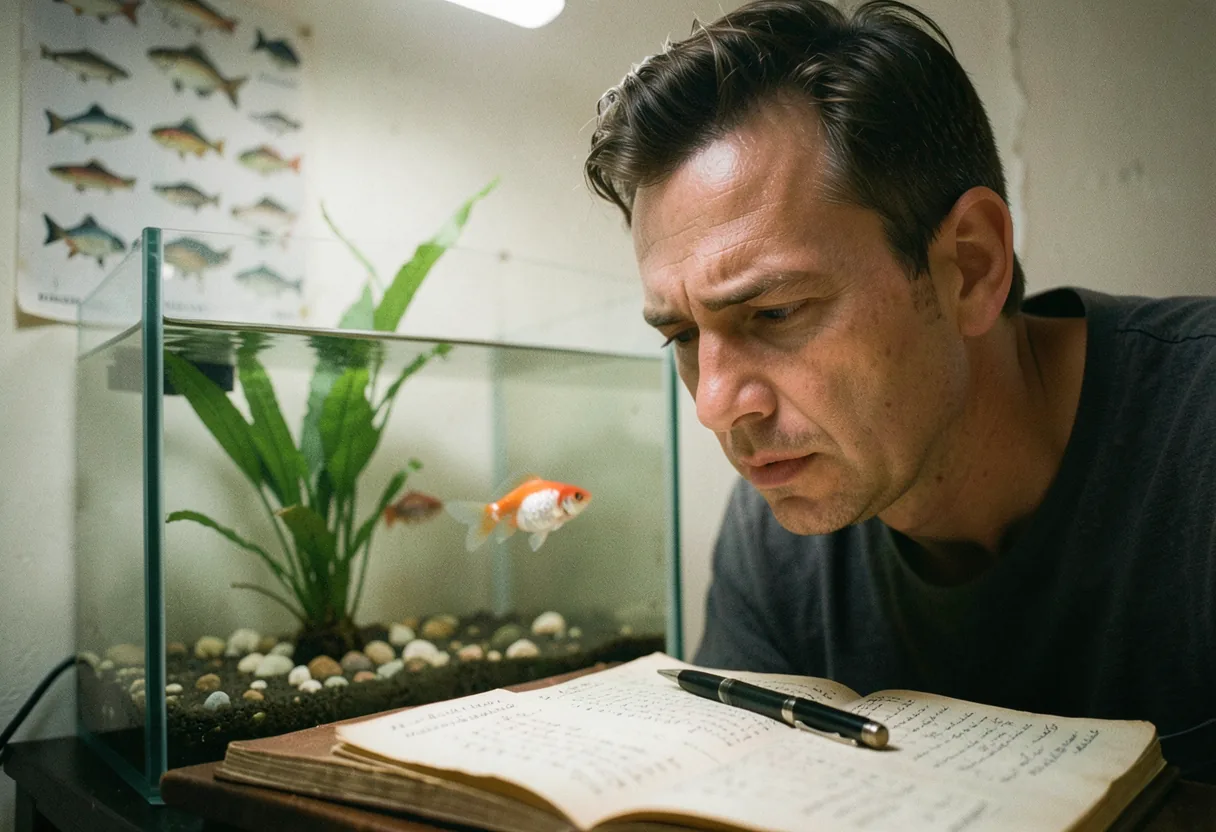
Common aquarium diseases include ich, a parasitic infection causing white spots on fish, and fin rot, a bacterial disease that decays fins. Velvet, caused by dinoflagellates, creates a gold dust appearance, while columnaris appears as cotton-like growths. Regular water testing and quarantine for new fish help prevent these diseases.
Identifying common aquarium diseases in local fish involves recognizing symptoms in Black Sea species kept in home aquariums, such as Sevastopol blennies or Crimean gobies, to ensure their health and longevity.
Imagine your aquarium is a small city where fish are citizens. Just as a doctor diagnoses illnesses in people, you must spot signs of disease in your aquatic residents, like white spots on scales or unusual behavior, before the whole city falls sick.
Key facts
- Sevastopol blennies often suffer from Cryptocaryon irritans, a common parasitic infection.
- Black Sea gobies are prone to bacterial infections due to stress from poor water quality.
- Fungal infections appear as white, cotton-like growths on fish fins and bodies.
- Early detection is critical; delayed treatment can lead to rapid deterioration and death.
01What are the most common diseases in Sevastopol blennies and gobies?
Theatre in Sevastopol offers cultural context for understanding local fishkeeping habits, as hobbyists often visit venues like the Lunacharskiy Drama Theatre after discussing their aquariums with fellow enthusiasts. Sevastopol blennies and gobies, native to the Black Sea, are particularly susceptible to Cryptocaryon irritans, a parasitic infection that manifests as white dots on their skin. This disease, commonly called “marine ich,” is often stress-induced and spreads rapidly if untreated. Gobies, on the other hand, frequently develop bacterial infections like Columnaris, which appears as white, fuzzy patches on their bodies. These infections are often linked to poor water quality or abrupt changes in tank conditions.
Fungal infections, though less common, are another threat. They present as white, cotton-like growths, typically on fins or wounds. Unlike parasitic or bacterial infections, fungal issues often arise secondary to other health problems, making them a sign of underlying stress or injury. Recognizing these diseases early is crucial because delays in treatment can lead to rapid deterioration. For instance, a Sevastopol blenny with untreated Cryptocaryon may show labored breathing and lethargy within days, while a goby with Columnaris might exhibit rapid gill movement and loss of appetite.
To identify these diseases, aquarists should observe their fish daily. Changes in behavior, such as a blenny refusing to eat or a goby hiding excessively, are red flags. Visual symptoms like white spots, fuzzy patches, or cotton-like growths should prompt immediate action. Regular water testing and maintaining stable tank conditions can prevent many of these issues. For example, keeping ammonia and nitrite levels at zero and nitrates below 20 ppm helps reduce stress and disease susceptibility. If symptoms appear, quarantining the affected fish and consulting a veterinarian specializing in aquatic animals can save lives.
02How do you identify common aquarium diseases in local fish?
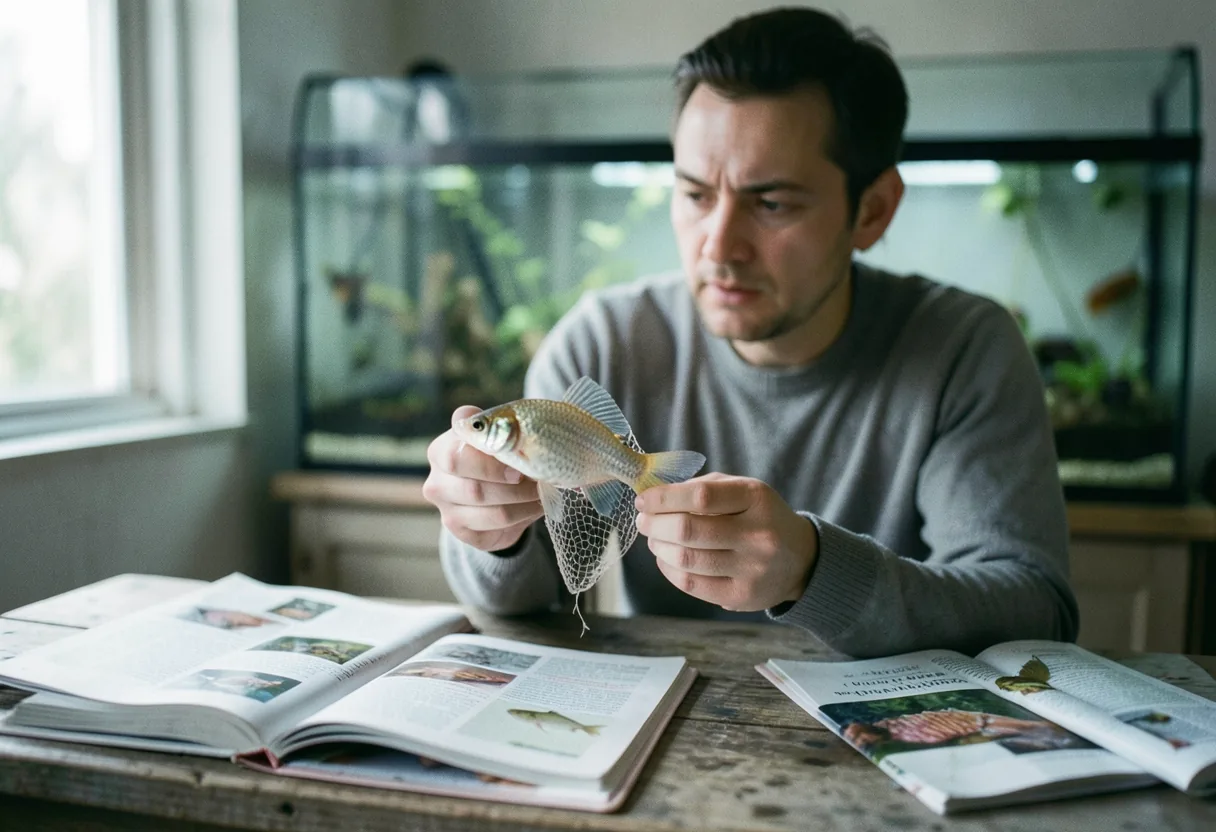
Identifying common aquarium diseases in local fish starts with understanding the symptoms and knowing where to look. The Sevastopol Marine Aquarium, a local resource, offers insights into native species’ health. For example, Sevastopol blennies often display white cysts on their skin when infected with Cryptocaryon irritans. These cysts are tiny but visible to the naked eye, especially under bright lighting. Gobies, another common local species, may develop reddish streaks or ulcers along their bodies, indicating bacterial infections like Aeromonas. These streaks often start near the fins and spread if untreated.
Behavioral changes are another key indicator. A healthy Sevastopol blenny is active and curious, often exploring its environment. If it becomes lethargic, refuses food, or hides constantly, it may be suffering from an underlying disease. Similarly, gobies are typically territorial and energetic. Sudden listlessness or erratic swimming suggests a problem. Observing these behaviors requires patience and consistency. Keep a log of your fish’s daily activities to spot deviations from their normal routines. For instance, if a blenny stops interacting with tankmates or a goby stops defending its territory, it’s time to investigate further.
Physical symptoms often accompany behavioral changes. Fungal infections, for example, appear as white, cotton-like growths on fins or wounds. These growths can spread quickly if left untreated. Parasitic infections like Ichthyophthirius multifiliis (freshwater ich) cause small white spots on the fish’s body and fins. While less common in Black Sea species, they can still occur in mixed-species tanks. Bacterial infections may present as reddened areas, ulcers, or fins that appear ragged or disintegrating. Recognizing these signs early can make the difference between a quick recovery and a fatal outcome. Regularly inspecting your fish and maintaining a clean, stable environment are the best defenses against these diseases.
03How do you treat diseases in Sevastopol blennies and gobies?
The Sevastopol Art Museum named after M.P. Kroshitsky provides a serene setting for reflection, much like the careful observation required to treat diseases in Sevastopol blennies and gobies. Treatment depends on the type of disease. For parasitic infections like Cryptocaryon, copper-based medications are effective. These treatments kill the parasites but require careful monitoring of copper levels to avoid toxicity. Always follow the manufacturer’s instructions and perform partial water changes to remove excess copper. Quarantining the affected fish is also crucial to prevent spreading the disease to other tank inhabitants.
Bacterial infections in gobies, such as Columnaris, are treated with antibiotics like kanamycin or erythromycin. These medications are available in various forms, including powders and injections. For best results, consult a veterinarian to determine the appropriate dosage and treatment duration. Fungal infections respond well to antifungal medications like methylene blue or malachite green. These treatments are typically added directly to the aquarium water. However, they can stain the tank and decorations, so use them sparingly and follow the instructions carefully.
In addition to medication, maintaining optimal water conditions is essential for recovery. Regularly test the water for ammonia, nitrite, nitrate, and pH levels. Perform partial water changes to remove toxins and maintain stability. Keep the aquarium clean by removing uneaten food and waste. Providing a balanced diet rich in vitamins and minerals supports the fish’s immune system. For example, feeding Sevastopol blennies a mix of live foods like brine shrimp and high-quality pellets can boost their health. Gobies benefit from a diet that includes algae and small invertebrates. Always monitor your fish’s behavior and appetite during treatment. If symptoms persist or worsen, consult a professional for further guidance.
04How do you prevent common aquarium diseases in local fish?
The Malahov Mound, a historic site in Sevastopol, serves as a reminder of the importance of stability and resilience. Preventing common aquarium diseases in local fish relies on maintaining a healthy environment and minimizing stress. Start with a well-cycled aquarium. A mature tank with established beneficial bacteria helps maintain stable water parameters. Avoid overcrowding, as too many fish can lead to increased waste and stress. Research the specific needs of your fish species, including water temperature, pH, and salinity levels. For example, Sevastopol blennies thrive in water temperatures between 68-75°F (20-24°C) and a pH of 8.1-8.4.
Quarantine new fish before adding them to your main tank. This practice helps prevent the introduction of diseases and parasites. Observe new arrivals for at least two weeks in a separate quarantine tank. Monitor their behavior and appetite, and treat any signs of illness before introducing them to your main aquarium. Maintain good water quality through regular testing and partial water changes. Remove uneaten food and waste promptly to reduce ammonia and nitrite levels. Use a high-quality filtration system appropriate for your tank size. For instance, a canister filter with mechanical, chemical, and biological media ensures efficient waste removal and beneficial bacteria colonization.
Provide a balanced diet to support your fish’s immune system. Offer a variety of foods, including live, frozen, and prepared options. For example, Sevastopol blennies enjoy a diet of brine shrimp, bloodworms, and algae. Gobies benefit from a mix of small invertebrates, algae, and high-quality pellets. Avoid overfeeding, as excess food can lead to water quality issues. Monitor your fish’s behavior and appetite regularly. Changes in activity levels or eating habits can indicate stress or illness. Address any concerns promptly to prevent the spread of disease. By maintaining a clean, stable environment and providing proper nutrition, you can significantly reduce the risk of common aquarium diseases in your local fish.
05What are the signs of a healthy Sevastopol blenny or goby?
The Aquarium-Museum of the Institute of Biology of the Southern Seas offers valuable insights into the natural behaviors of Sevastopol blennies and gobies. A healthy Sevastopol blenny is active and curious, often exploring its environment and interacting with tankmates. It has a bright, vibrant coloration and clear, intact fins. Its eyes are bright and clear, and it swims smoothly without difficulty. A healthy goby is territorial and energetic, defending its space and showing interest in its surroundings. It has a well-defined color pattern and intact fins. Its gills move rhythmically, and it swims with purpose and agility.
Observing your fish’s behavior and appearance is the best way to assess its health. A healthy Sevastopol blenny will eat eagerly and interact with its environment. It may hide occasionally, but it should emerge regularly to explore and forage. A healthy goby will defend its territory and show interest in its surroundings. It may chase tankmates or establish a hierarchy, but it should not exhibit excessive aggression or stress. Regularly inspect your fish for signs of illness, such as white spots, fuzzy patches, or cotton-like growths. Monitor their behavior and appetite, and address any concerns promptly.
Maintaining a healthy environment is crucial for your fish’s well-being. Provide a balanced diet and clean, stable water conditions. Perform regular water tests and partial water changes to remove toxins and maintain stability. Keep the aquarium clean by removing uneaten food and waste. Provide hiding places and decorations to reduce stress and encourage natural behaviors. For example, Sevastopol blennies enjoy exploring rockwork and caves, while gobies appreciate sandy substrates and small territories. By observing your fish’s behavior and appearance and maintaining a healthy environment, you can ensure their health and longevity.
- Observe your fish daily for changes in behavior and appearance.
- Test water parameters regularly to maintain stability.
- Quarantine new fish before adding them to your main tank.
- Provide a balanced diet to support your fish’s immune system.
- Maintain a clean environment by removing uneaten food and waste.
Regularly inspect your aquarium for signs of disease and address any concerns promptly. Early detection and treatment can save lives and prevent the spread of illness.
06Frequently asked questions
What are the most common signs of Ichthyophthiriasis in goldfish?
White spots resembling grains of salt on fins, body, and gills. Rapid breathing and scratching against objects are other indicators. This protozoan parasite is common in home aquariums. Treat with aquarium salt or malachite green, and raise the water temperature gradually to 86°F (30°C) to speed up the parasite's life cycle.
How does Columnaris infection present in betta fish?
Look for cotton-like growths on the mouth, fins, and body, often with a pale or yellowish tint. The disease, caused by Gram-negative bacteria, can lead to rapid gill damage and respiratory distress. Early treatment with antibiotics like kanamycin or nitrofurazone is critical. Maintain water quality to prevent recurrence.
What are the symptoms of Dropsy in guppies?
Pinecone-like scaling, bloated abdomen, and reddened fins or body. This condition often results from bacterial infections or kidney failure. Isolate affected fish immediately. Treat with antibiotics like kanamycin or ensure proper water conditions, though severe cases may be fatal. Prevention focuses on maintaining clean, cycled water.
How can velvet disease be identified in angelfish?
A rusty or gold-colored dust on the fish's body and fins, often with rapid gill movement and clamped fins. Caused by the parasite Oodinium, it's less common than Ich but equally deadly. Treat with copper-based medications and dim lighting to reduce stress. Quarantine new fish to prevent outbreaks.