
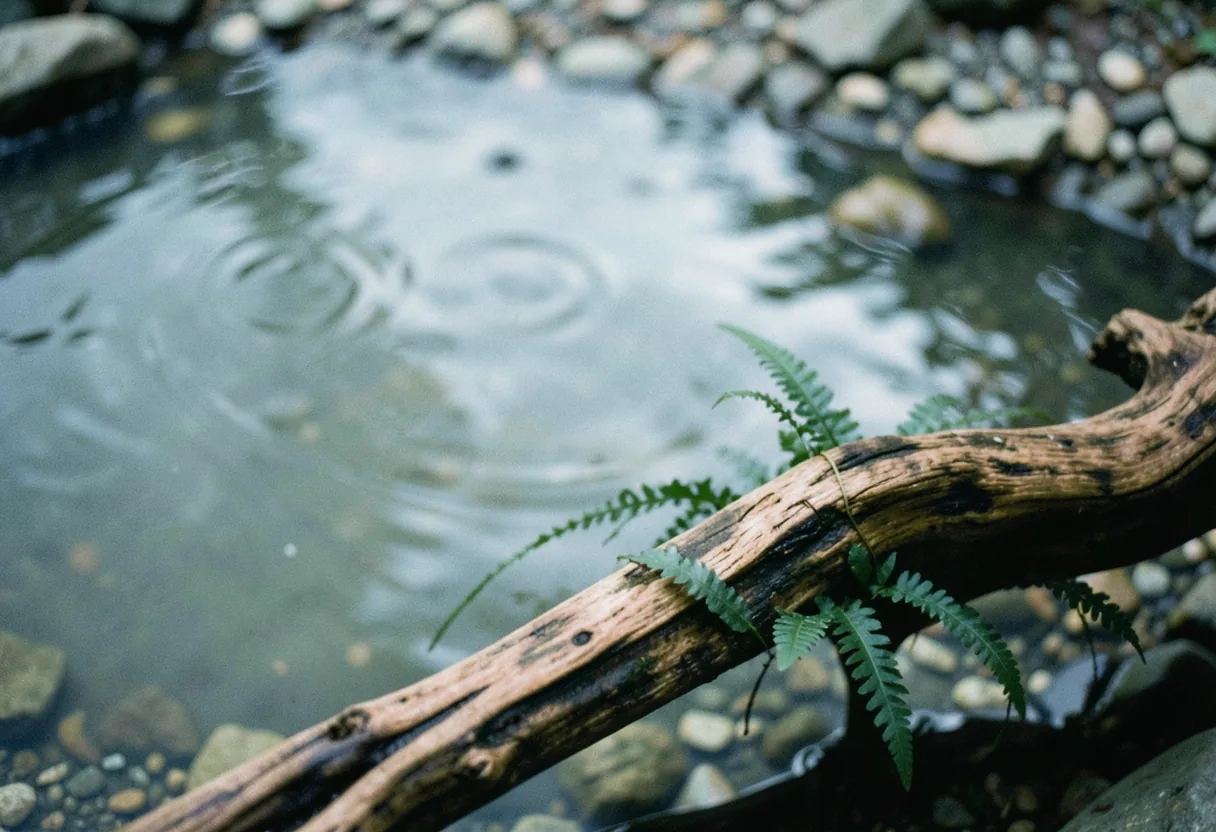
Lower pH naturally by adding peat moss, driftwood, or almond leaves to your aquarium. These release tannins that acidify water. Another method is using reverse osmosis water, which has a lower pH. Regular water changes also help maintain stable pH levels.
01Choosing the right natural pH-lowering agent for your aquarium
Selecting the appropriate natural pH-lowering agent depends on your aquarium’s specific needs, your fish species’ preferences, and your local water conditions. Consider the following factors when choosing between peat moss, driftwood, Indian almond leaves, or other methods:
For example, if you have a planted aquarium in Sevastopol, peat moss might be the best choice due to its high effectiveness and low cost. However, if you prefer a visually appealing aquarium with minimal maintenance, driftwood could be a better fit. Consider your priorities and your fish’s needs when making your decision.
Additionally, you may want to combine methods for optimal results. For instance, using both peat moss and driftwood can provide a more stable pH reduction while enhancing your aquarium’s aesthetics. Experiment with different combinations to find the best solution for your unique setup.
02How to lower pH in aquarium water naturally using driftwood
Driftwood is a popular natural method for lowering pH in aquarium water, as it releases tannins that acidify the water gradually. To use driftwood effectively, follow these steps:
- Choose the right type of driftwood. Some popular options include:
- Spuce wood (Picea): A popular choice for its ability to lower pH gradually and its attractive appearance. It’s widely available and relatively affordable.
- Cholla wood (Cylindropuntia): Known for its porous structure, which promotes beneficial bacterial growth and helps maintain water quality. It’s also effective at lowering pH.
- Mopani wood: A dense, hardwood that releases tannins slowly, making it an excellent choice for long-term pH reduction. It’s also attractive and provides hiding spots for fish.
- Clean the driftwood thoroughly. Rinse it under tap water to remove any dirt or debris. Soak it in a bucket of water for 24-48 hours to remove any remaining dust or tannins that could cause a rapid pH drop.
- Boil the driftwood (optional). Boiling can help sterilize the driftwood and remove any remaining tannins. However, this step is optional and may not be necessary if you’ve soaked the driftwood thoroughly. If you choose to boil it, do so for 1-2 hours, then allow it to cool before adding it to your aquarium.
- Add the driftwood to your aquarium. Place it in the desired location, ensuring it’s stable and won’t disturb your fish or other decorations. You can use aquarium-safe silicone or weights to secure it in place if necessary.
- Monitor the pH. Test your aquarium’s pH regularly, using a high-quality test kit like the API Freshwater Master Kit. Expect a gradual decrease in pH over several days or weeks, depending on the type and size of the driftwood.
- Adjust as needed. If the pH drops too quickly, remove the driftwood temporarily and allow the pH to stabilize. You can also perform a partial water change with untreated water to raise the pH slightly. Once the pH is stable, reintroduce the driftwood or replace it with a smaller piece.
- Maintain the driftwood. Over time, the driftwood may become covered in algae or lose its effectiveness at lowering pH. To maintain it, rinse it gently under tap water to remove any algae or debris. You can also soak it in a bucket of water for a few hours to refresh its tannin content.
Driftwood is a versatile and attractive option for lowering pH naturally. By following these steps and choosing the right type of driftwood for your aquarium, you can create a healthy and visually appealing environment for your fish.
03The role of Indian almond leaves in natural pH reduction
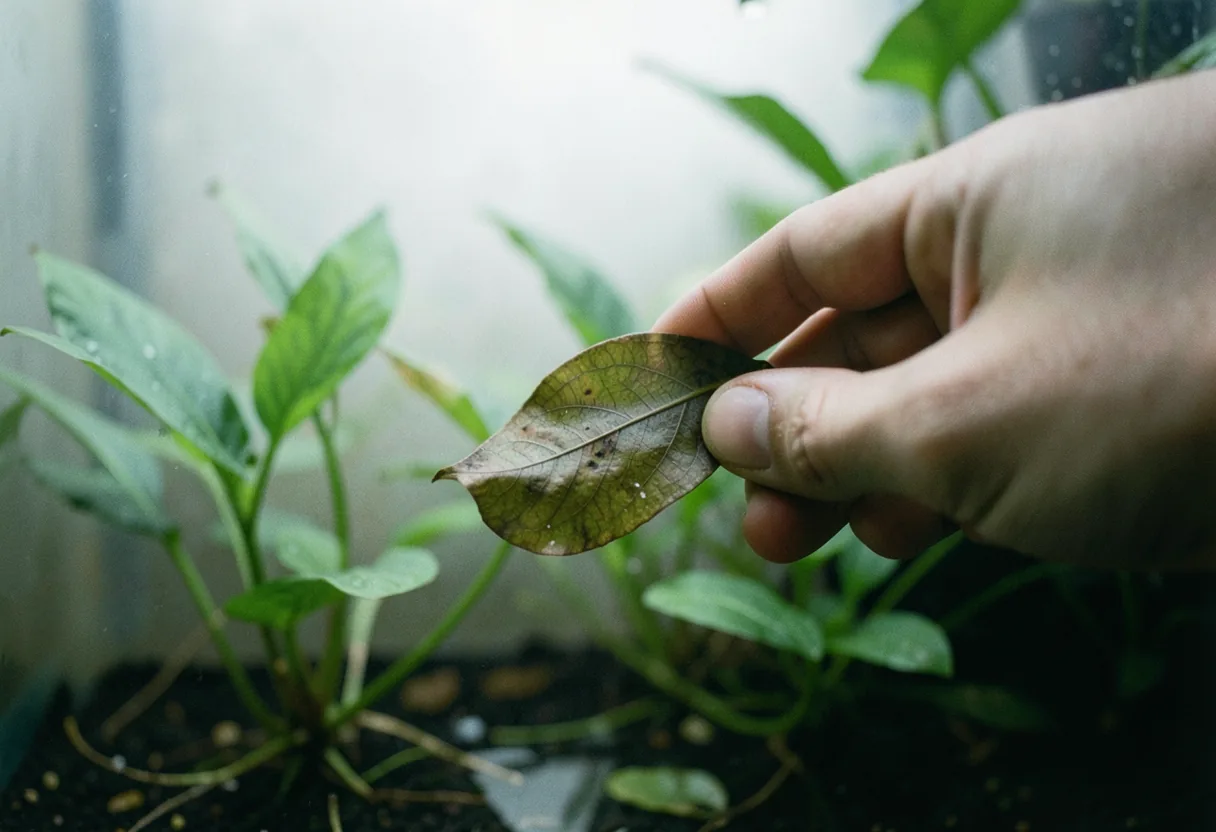
Indian almond leaves, also known as Catappa leaves, are another popular natural method for lowering pH in aquarium water. These leaves release tannins and other beneficial compounds that acidify the water and promote fish health. To use Indian almond leaves effectively, follow these guidelines:
To prepare Indian almond leaves for your aquarium, follow these steps:
- Rinse the leaves thoroughly under tap water to remove any dirt or debris.
- Soak the leaves in a bucket of water for 24-48 hours to release tannins. The soaking water will turn yellow or brown, indicating the release of tannins.
- Add the soaked leaves directly to your aquarium or place them in a mesh bag for easy removal. You can also use the soaked water for water changes to help lower the pH gradually.
- Monitor the pH regularly, using a high-quality test kit. Expect a gradual decrease in pH over several days or weeks, depending on the number and size of the leaves used.
- Replace the leaves every 2-3 weeks or when they become soggy and start to break apart. You can also refresh the tannin content by soaking the leaves in a bucket of water for a few hours before reintroducing them to the aquarium.
Indian almond leaves offer several benefits for aquarium keepers, including:
- Natural pH reduction: The tannins released by the leaves help lower pH gradually and safely.
- Antibacterial and antifungal properties: Indian almond leaves contain compounds that can help prevent infections and promote fish health.
- Stress reduction: The tannins released by the leaves can help reduce stress in fish, making them more resistant to disease.
- Aesthetic appeal: The leaves can enhance the appearance of your aquarium, creating a natural and visually appealing environment.
When using Indian almond leaves, it’s essential to monitor your aquarium’s pH closely and adjust the number of leaves or soaking time as needed. Additionally, consider combining Indian almond leaves with other natural pH-lowering methods, such as peat moss or driftwood, for optimal results.
For more information on the benefits of Indian almond leaves, visit the Wikipedia page for the Terminalia catappa tree, which produces these leaves.
By understanding the unique properties of Indian almond leaves and incorporating them into your aquarium care routine, you can create a healthy and thriving environment for your fish.
04Using reverse osmosis (RO) water for natural pH reduction
Reverse osmosis (RO) water is another effective method for lowering pH in aquarium water naturally. RO water is purified water that has had most of its minerals and impurities removed, resulting in a neutral pH of around 7. By mixing RO water with your tap water, you can dilute the minerals and lower the pH gradually.
The first time I really looked at using RO water for pH control, I was surprised by how precise the method could be. Unlike other natural methods that release tannins, RO water offers a more controlled approach to pH reduction.
- Set up an RO water system. You can purchase an RO water system online or at a local aquarium store. These systems typically include a sediment filter, a carbon filter, and an RO membrane to purify the water. Follow the manufacturer’s instructions to set up the system in your home.
- Collect RO water. Place a container under the RO faucet and allow the water to fill the container. RO water production can be slow, so be patient and collect enough water for your aquarium needs.
- Mix RO water with tap water. To lower the pH, mix RO water with your tap water in the desired ratio. For example, a 50/50 mix of RO water and tap water can help lower the pH by about 0.5-1.0 units, depending on your tap water’s initial pH and mineral content.
- Test the pH. Use a high-quality test kit, such as the API Freshwater Master Kit, to test the pH of the mixed water. Adjust the ratio of RO water to tap water as needed to achieve your desired pH.
- Perform a water change. Gradually replace the existing aquarium water with the mixed RO and tap water. Perform a 25-50% water change to avoid stressing your fish and allow them to acclimate to the new pH.
- Monitor the pH. Test the aquarium’s pH regularly to ensure it remains stable. You may need to perform additional water changes or adjust the ratio of RO water to tap water as needed.
05Common mistakes to avoid when lowering pH naturally
While natural pH-lowering methods are generally safe and effective, there are some common mistakes to avoid:
- Rushing the process: Lowering pH too quickly can stress or harm your fish. Always aim for a gradual pH reduction, and monitor your fish’s behavior and health closely.
- Ignoring water parameters: Lowering pH can affect other water parameters, such as hardness and alkalinity. Test these parameters regularly to ensure they remain within the appropriate range for your fish species.
- Overusing natural methods: Using too much peat moss, driftwood, or Indian almond leaves can lead to an excessive pH drop or the release of too many tannins, which can discolor the water and negatively impact fish health.
- Inconsistent maintenance: Natural pH-lowering methods require regular maintenance, such as replacing peat moss or Indian almond leaves and cleaning driftwood. Neglecting these tasks can lead to ineffective pH control and poor water quality.
- Not researching fish species’ preferences: Different fish species have varying pH preferences. Always research your fish’s ideal pH range and strive to create a suitable environment for their specific needs.
06Choosing the right test kit for monitoring pH
Selecting the appropriate test kit is crucial for accurately monitoring your aquarium’s pH levels. Consider the following factors when choosing a test kit:
For most aquarium keepers, a high-quality liquid test kit, such as the API Freshwater Master Kit, is an excellent choice for monitoring pH and other essential water parameters. These test kits are accurate, affordable, and easy to use, making them suitable for both beginners and experienced aquarists.
Investing in a reliable test kit is essential for maintaining a healthy aquarium environment. By regularly testing your aquarium’s pH and other water parameters, you can ensure that your fish thrive and that your natural pH-lowering methods are effective.
Use a test kit consistently to track changes in your aquarium’s pH, and adjust your natural pH-lowering methods as needed to maintain a stable and healthy environment for your fish.
07Frequently asked questions
What are the safest natural methods to lower pH in an aquarium?
Peat moss and driftwood naturally release tannins, which lower pH over time. Add a small amount of peat moss to a filter bag or place driftwood in the tank. Another method is using catappa leaves, which release beneficial compounds that stabilize pH while providing shelter for fish. Aim for gradual changes to avoid stressing aquatic life.
How does reverse osmosis (RO) water affect pH levels?
RO water is typically pH neutral (around 7.0), but it lacks minerals that buffer pH. Mixing RO water with tap water in a 50/50 ratio can help stabilize pH. For lower pH, add a small amount of RO water and monitor levels closely. Avoid sudden large water changes, as they can disrupt the aquarium's chemical balance.
Can adding Indian Almond Leaves (catappa) lower pH effectively?
Yes, catappa leaves release tannins and humic acids that lower pH gradually. Use one or two dried leaves per 10 gallons of water. Soak the leaves in a separate container for a few days before adding them to the tank to reduce initial tannin release. Replace leaves every few months or when they disintegrate.
What role do live plants play in maintaining pH levels?
Live plants like Java fern and Amazon sword absorb nitrates and other compounds, indirectly influencing pH. They also release oxygen and stabilize water chemistry. Ensure proper lighting and fertilization to support plant growth. Avoid over-fertilizing, as excess nutrients can raise pH and promote algae growth.