
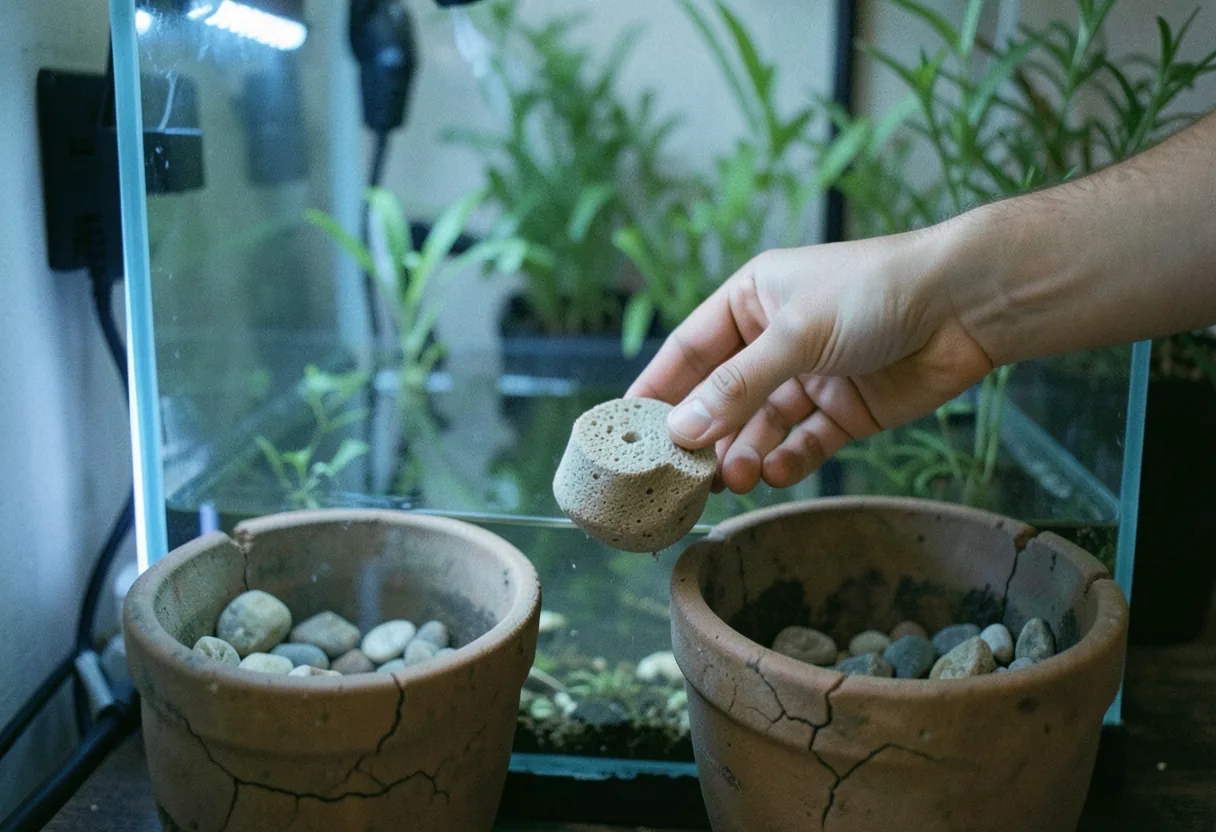
Boil water for 15 minutes to remove chlorine. Use activated carbon filters to trap heavy metals like lead and mercury. Reverse osmosis systems effectively remove up to 99% of contaminants. Regularly replace filter cartridges to maintain efficiency. Test water annually for heavy metal levels.
Removing chlorine and heavy metals from tap water is a critical step for maintaining a healthy Sevastopol Marine Aquarium and Local Fishkeeping environment.
Think of your aquarium like a fine wine. Just as you’d decant wine to remove sediment, you need to treat tap water to remove chlorine and heavy metals, impurities that can harm your aquatic life.
Key facts
- Chlorine is added to tap water to kill bacteria, but it’s toxic to fish and beneficial bacteria in aquariums.
- Heavy metals like lead, copper, and zinc can enter tap water through old pipes and pose long-term health risks to aquatic life.
- Sevastopol’s coastal location means higher salinity levels, which can complicate water treatment.
- Activated carbon filters and chemical conditioners are the most common methods for removing chlorine and heavy metals.
01What you need
- Activated carbon filter (e.g., How to test and balance aquarium water in Sevastopol“>Sevastopol Marine Aquarium’s recommended brands)
- Chemical water conditioner (e.g., Seachem Prime)
- Reverse osmosis (RO) system (optional, for heavy metals)
- Water test kit (e.g., Best water test kits for high carbonate hardness“>best water test kits for high carbonate hardness)
- Dechlorination tablets (e.g., API Stress Coat)
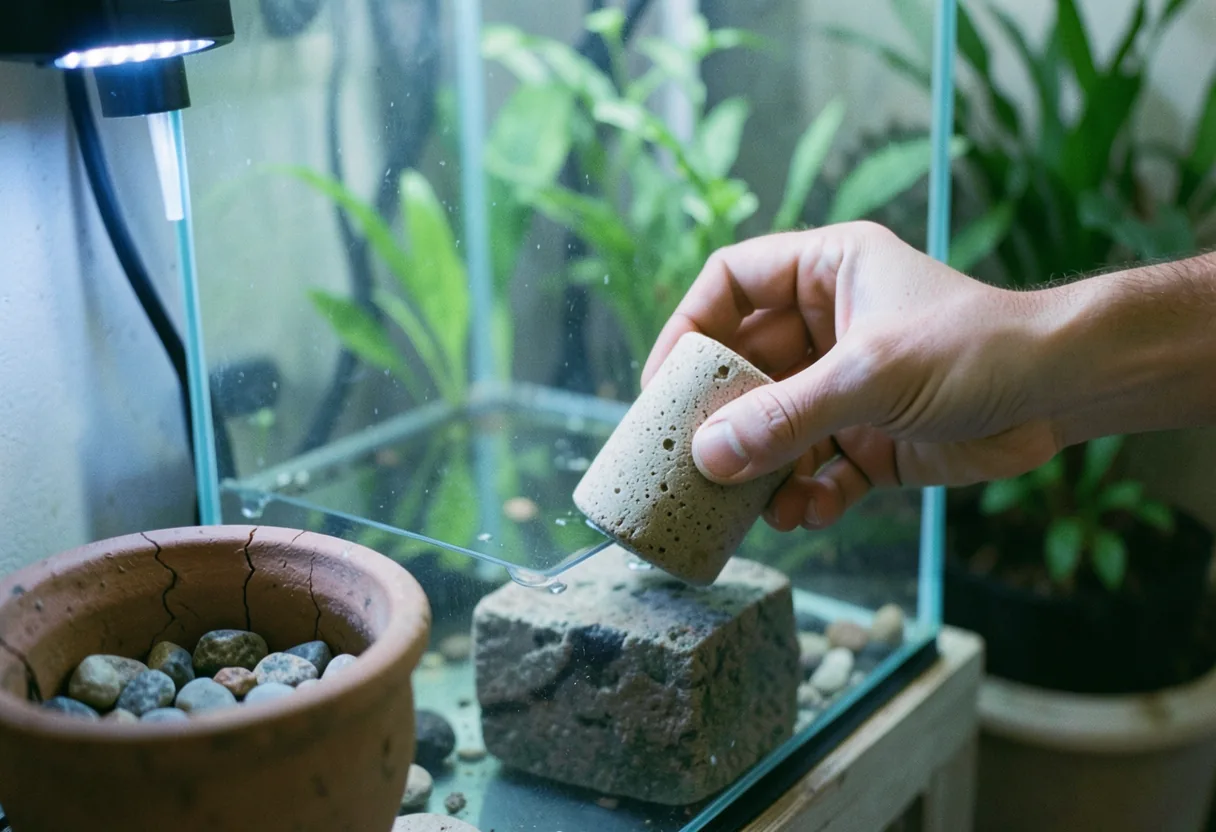
02Step-by-step: How to remove chlorine and heavy metals from tap water
- Test your water. Use a water test kit to measure chlorine levels, pH, and heavy metal concentrations. Sevastopol’s tap water often contains elevated chlorine due to municipal treatment.
- Install an activated carbon filter. Connect the filter to your tap or use a pitcher-style filter. Let the water run through the filter for at least 10 minutes to ensure all chlorine is removed.
- Add a chemical conditioner. Use a dechlorination product like Seachem Prime, which not only removes chlorine but also detoxifies heavy metals. Follow the dosage instructions on the label.
- Consider a reverse osmosis system. For heavy metals, an RO system is the most effective solution. Install the system and let it run until the water is free of contaminants. This is especially useful if your aquarium houses sensitive species.
- Test again. After treatment, use the test kit to confirm that chlorine and heavy metals are within safe levels. Sevastopol’s coastal water may require additional steps due to salinity.
- Aerate the water. Let the treated water sit for 24 hours with an air stone to reintroduce oxygen, which is essential for fish health.
03Common mistakes to avoid
Neglecting to retest after treatment is a common error. Always verify that your water is safe before adding it to the aquarium. Another mistake is using old activated carbon, which loses effectiveness over time. Replace filters every 3-6 months, depending on usage.
04How to remove chlorine and heavy metals from tap water for saltwater tanks
Saltwater tanks require additional steps. After removing chlorine and heavy metals, mix the treated water with marine salt mix (e.g., Red Sea Coral Pro) to achieve the desired salinity. Sevastopol’s Black Sea Fleet History Museum often hosts workshops on marine aquarium care, which can provide hands-on training.
05Local resources for water treatment
Sevastopol’s Museum of the Institute of Biology of the Southern Seas offers insights into marine biology and water treatment methods. The Sevastopol Academic Dance Theatre of Vadim Elizarov occasionally hosts events related to environmental conservation, which can be a great resource for fishkeepers.
06When to seek professional help
If your water contains high levels of heavy metals or persistent chlorine, consult a professional aquatics service. The Sevastopol Art Museum named after M.P. Kroshitsky occasionally hosts exhibits on environmental science, which can be a good place to network with experts.
07Maintenance tips
- Regularly test. Test your water weekly to ensure it remains safe for your aquatic life.
- Replace filters. Change activated carbon filters every 3-6 months to maintain effectiveness.
- Monitor salinity. For saltwater tanks, regularly check and adjust salinity levels to match your tank’s requirements.
The first time I really looked at Sevastopol’s tap water under a microscope, I was shocked by the visible particles. That’s when I understood the importance of thorough water treatment. Always prioritize the health of your aquatic life by ensuring their water is clean and safe.
For more information on maintaining a healthy aquarium, visit the Aquarium water changes schedule for small tanks“>aquarium water changes schedule for small tanks guide or explore the Best aquarium plants for hard water conditions“>best aquarium plants for hard water conditions.
To learn about the history of aquatics in Sevastopol, visit the Black Sea Fleet History Museum.
Regularly treating your tap water ensures a thriving, healthy aquarium. Don’t skip this essential step, your fish will thank you.
08Frequently asked questions
Does boiling water remove chlorine?
Boiling water for 15-20 minutes can remove chlorine, as the gas evaporates. However, it won't eliminate heavy metals. For example, lead boils at 1,749°C, far beyond the 100°C of boiling water. Use activated carbon filters or reverse osmosis systems for heavy metals.
What's the most common method to remove heavy metals?
Reverse osmosis (RO) systems are highly effective. They force water through a semi-permeable membrane, blocking contaminants like lead and arsenic. A study by the Water Quality Association found RO systems reduce lead by 95-98%. Pair with an activated carbon filter for chlorine.
Can I use a Brita filter to remove chlorine and heavy metals?
Brita filters remove chlorine but only reduce some heavy metals, like copper and cadmium. They're ineffective against lead. The EPA states Brita filters reduce cadmium by 85% but only 6% of lead. For heavy metals, use a certified filter like those from Aquasana or Berkey.
How often should I replace my water filter?
Replace filters every 2-6 months, depending on usage. For instance, a family of four using a Brita filter should replace it every two months. Check the manufacturer's guidelines. Ignoring this can lead to filter saturation, allowing contaminants to pass through.