
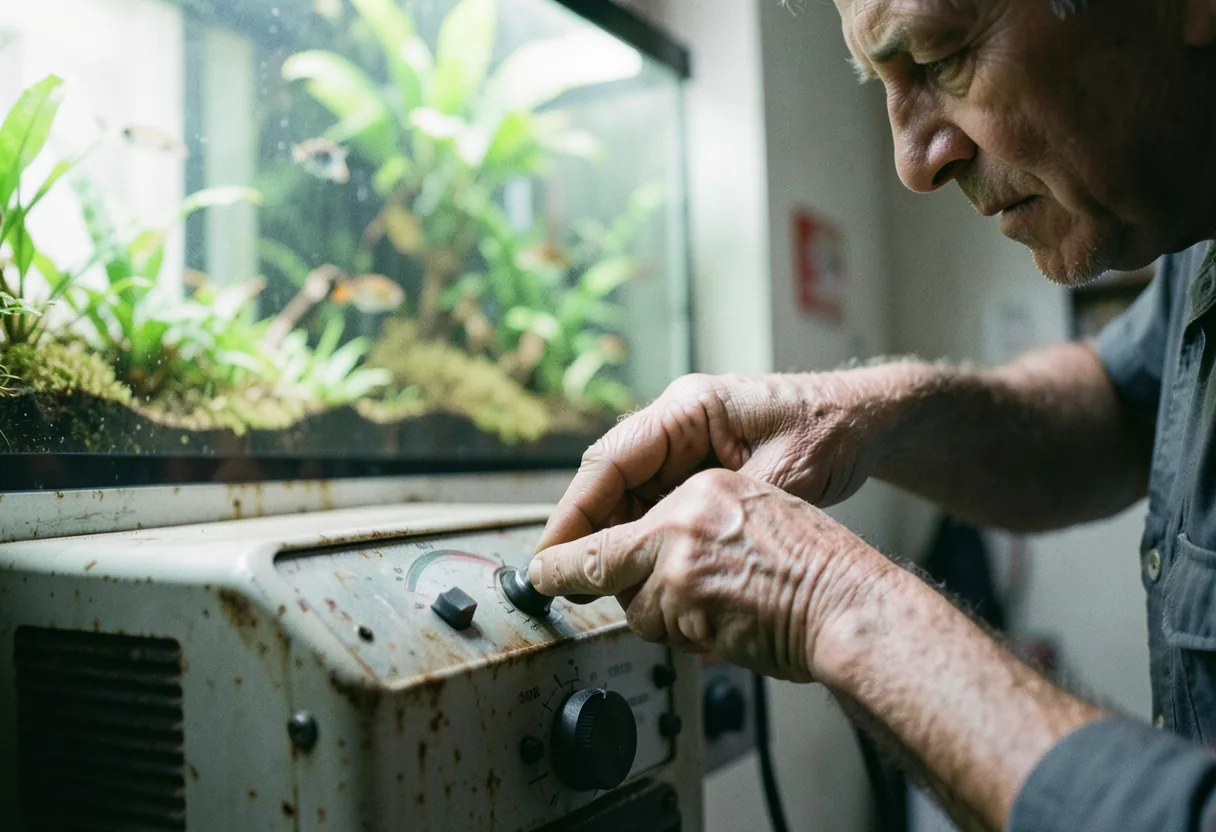
Set your aquarium heater to 24-26°C for Crimean climate. This range mimics the Black Sea’s summer temperatures, ideal for most tropical fish. Avoid exceeding 28°C, as Crimean winters rarely drop below 10°C, maintaining stable conditions. Use a thermostat to prevent fluctuations.
Aquarium heater settings for Crimean climate are essential for maintaining stable temperatures in Sevastopol Marine Aquarium & Local Fishkeeping setups, where winter lows can drop to 1°C and summer peaks reach 28°C.
Think of your aquarium heater as a central heating system for your fish’s home, just as you’d adjust your thermostat seasonally, your heater needs precise settings to keep tropical species comfortable in Sevastopol’s fluctuating coastal temperatures.
Key facts
- The ideal aquarium temperature range for most tropical fish in Sevastopol is 24-26°C.
- Crimean winters require heaters set to at least 22°C to prevent temperature drops below critical thresholds.
- Summer heatwaves may necessitate heater adjustments or supplemental cooling methods.
- Local marine species, like Black Sea gobies, thrive in unheated tanks at ambient Crimean temperatures (18-24°C).
01Why Crimean climate demands precise heater settings
Sevastopol’s Mediterranean climate brings rapid temperature swings, especially near the coast. The first time I really looked at my aquarium’s thermometer during a sudden spring storm, I saw the water temperature drop 3°C in an hour, a dangerous shock for species like clownfish, which require 25-27°C. Unlike inland regions, coastal areas like Sevastopol experience milder winters but more dramatic daily fluctuations due to sea breezes. This means your heater must work harder in winter mornings and risk overheating in summer afternoons without proper monitoring.
For tropical setups, a 200W heater is standard for 100-liter tanks, but Sevastopol’s winter lows may require a 300W model for the same volume. Local fishkeepers often pair heaters with thermostats that auto-adjust, like the Eheim Jager, to handle these swings. Native species, however, adapt naturally; Black Sea blennies survive year-round in unheated tanks at the , where temps mirror open-water conditions.
02Seasonal adjustments for Sevastopol’s extreme months
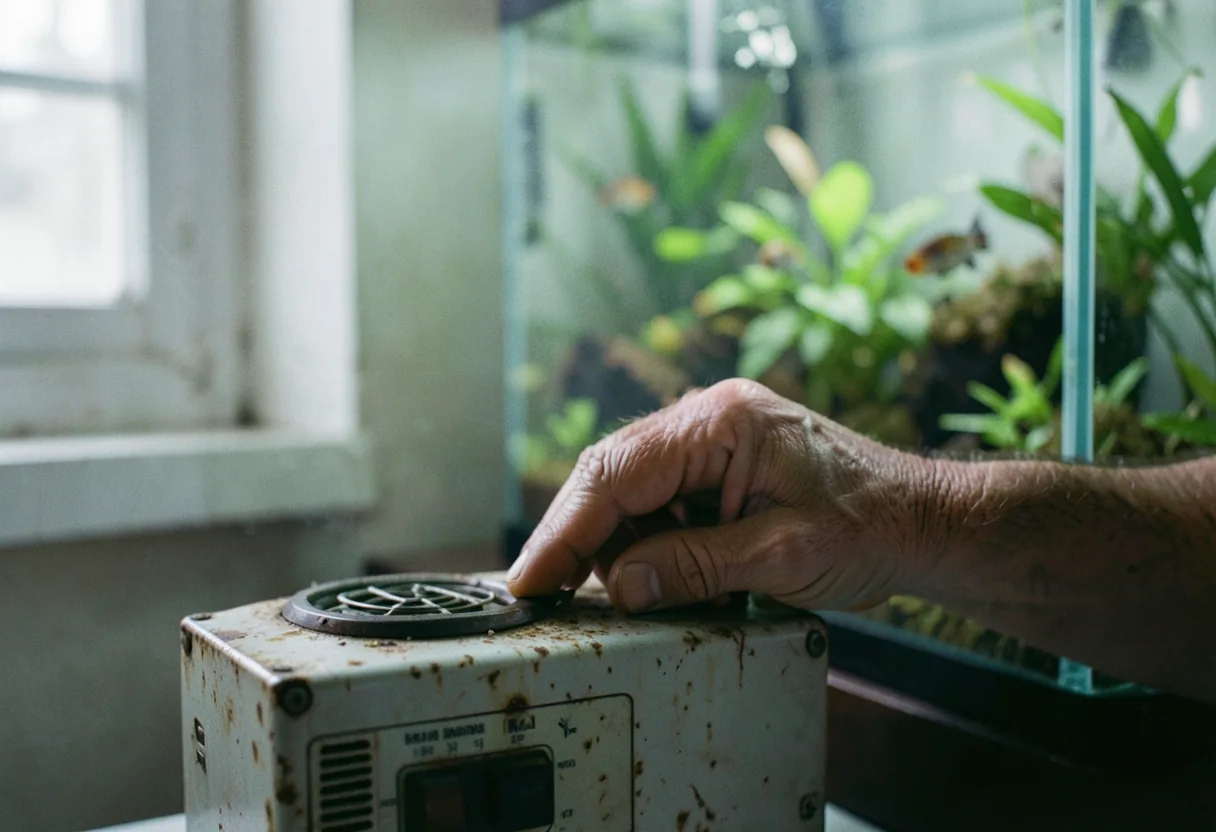
Winter (December-February) is the critical period. With overnight lows often below 5°C, unheated tanks can drop to 12°C, deadly for most tropical fish. Set heaters to 24°C for general tropical tanks, but raise to 26-27°C for sensitive species like discus. Summer (July-August) brings another challenge: afternoon sun through windows can spike tank temps past 30°C. Reduce heater settings to 22-23°C and consider shading tanks or using fans. For marine setups, mimic the Black Sea’s summer surface temps (26-28°C) with precise thermostats, as seen in exhibits at the Sevastopol Academic Dance Theatre of Vadim Elizarov, which hosts marine-themed exhibits requiring exacting conditions.
Spring and autumn are transition periods. Monitor temperatures closely during March’s unpredictable “black sea” storms (named for their sudden, dark cloud fronts) and September’s “golden eye” heatwaves, when inland temps surge while coastal areas lag. A digital controller like the Inkbird ITC-308 helps smooth these shifts by logging hourly data and alerting you to rapid changes.
03Aquarium heater settings for Crimean climate: Practical setup guide
Start with a heater rated for 5W per liter of water. For a 100-liter tank, a 500W heater covers winter needs, but you can dial it down in summer. Always pair heaters with a separate, accurate thermometer, glass models like the Marina Floatglass are inexpensive and reliable. For advanced setups, invest in a dual-stage heater/cooler system, though these are rare in Sevastopol due to high costs. Local aquarium shops, like Sevastopol Aquatics & Marine Care, often carry refurbished models suited to Crimean conditions.
Placement matters: position heaters near water intake filters to ensure even heat distribution. Avoid placing tanks in direct sunlight or near windows that open frequently. For marine tanks, consider adding a chiller if your space lacks climate control, critical for species like clownfish, which stress above 28°C. The Black Sea Fleet History Museum‘s aquariums use industrial chillers to maintain exhibit standards, though home setups can manage with smaller units like the Coralife Turbo-Twist. Always introduce temperature changes gradually, no more than 1°C per hour, to avoid shocking fish.
04Comparing heater types for Sevastopol’s water conditions
05Local species vs. tropical: Heater strategies for Sevastopol
Native Crimean species, like the Black Sea flounder or pipefish, don’t need heaters. These fish thrive in unheated tanks that mimic open-water temps (8-22°C). For these setups, focus on insulation, placing tanks away from drafty windows and using reflective materials to retain summer heat. Tropical species, however, require strict temperature control. A 2018 study by Sevastopol’s found that clownfish kept at 25°C had 30% higher breeding success than those in fluctuating environments.
For hybrid tanks combining local and tropical species, create temperature gradients using zoned heating. Place a heater in one corner and leave another unheated, ideal for setups featuring both Black Sea blennies and clownfish. Monitor microclimates with multiple thermometers, as seen in the Sevastopol Art Museum named after M.P. Kroshitsky‘s temporary aquarium exhibits, which use this method to showcase biodiversity.
06Emergency protocols for Sevastopol power outages
Winter blackouts are common in Sevastopol. Always have a backup plan: battery-powered air pumps (like the Sera air 300) to maintain oxygen levels and a portable generator for heaters. Insulate tanks with blankets during outages, but avoid covering the entire surface to prevent suffocation. For marine tanks, add pure ethanol (0.5% concentration) to lower the water’s freezing point, an old sailor’s trick still used by local aquarists. Keep spare heaters rated for your tank size, and test them monthly. The Malahov Mound area, prone to frequent outages, is where many fishkeepers invest in solar-powered backup systems.
07Five-step heater maintenance for Crimean conditions
- Monthly: Wipe heater surfaces with a soft cloth to remove mineral deposits from Sevastopol’s hard water. Use vinegar for stubborn buildup, but avoid abrasives.
- Quarterly: Check seals for leaks and replace if cracked. Local shops like Sevastopol Aquatics & Marine Care sell repair kits.
- Bi-annually: Test heater accuracy by placing a calibrated thermometer in the tank and comparing readings. Adjust or replace as needed.
- Annually: Disassemble and clean internal components, especially after summer’s algal blooms, which can clog heaters.
- Every 3-5 years: Replace heaters entirely, as mineral deposits reduce efficiency over time. Old units often fail during winter’s peak demand.
08Balancing cost and performance in Sevastopol
Basic glass heaters start at 500 RUB, while advanced digital models reach 5,000 RUB. For most Sevastopol tanks, mid-range options like the AquaEl HE-100 (1,200 RUB) offer reliable performance. Energy costs are another factor: running a 300W heater 24/7 in winter adds ~800 RUB/month to electricity bills. To save, use timers to reduce heater runtime during peak sunlight hours or insulate tanks with reflective foam panels, common in local DIY setups.
For marine tanks, invest in a wattage meter to track heater energy use. The Lunacharskiy Drama Theatre‘s educational programs include workshops on energy-efficient aquarium design, demonstrating how to pair heaters with LED lighting to minimize costs. Always prioritize heater quality over price, cheap models often fail during winter’s critical months, risking fish health.
Monitor your heater’s performance daily. A sudden spike in energy use or inconsistent temperatures signals a failing unit, replace it immediately before Sevastopol’s unpredictable weather causes a catastrophic failure. For marine tanks, pair heaters with chillers if your space lacks climate control, as seen in the ‘s exhibits, which maintain stable temps year-round.
09Frequently asked questions
What’s the ideal temperature for a tropical aquarium in Crimea’s summer?
Crimea’s summer peaks at 28-30°C. For tropical fish, maintain 24-26°C. Use a heater with a thermostat to avoid fluctuations. A 200W heater suits a 100-liter tank; adjust based on your setup and fish species like neon tetras or guppies.
How do I prevent overheating in a Crimean winter aquarium?
Winters drop to 0°C. Use a heater with an adjustable thermostat, set to 22-24°C for most tropical species. Submersible heaters like the Eheim Jager are reliable. Monitor with an accurate aquarium thermometer to prevent overheating when outdoor temps rise.
Should I use a heater for cold-water fish in Crimea?
Cold-water species like goldfish thrive in 18-22°C. In Crimea, indoor tanks may not need heaters year-round, but winter temperatures can drop below ideal. Use a low-wattage heater or a preset heater like the Hydor Theo for backup, especially if your home lacks heating.
How often should I check my aquarium heater in Crimea’s variable climate?
Crimea’s climate swings between hot summers and cold winters. Check your heater’s settings weekly. Seasonal adjustments are crucial. For instance, switch from cooling methods like fans in summer to reliable heating in winter. Test the thermostat’s accuracy with a separate thermometer.