
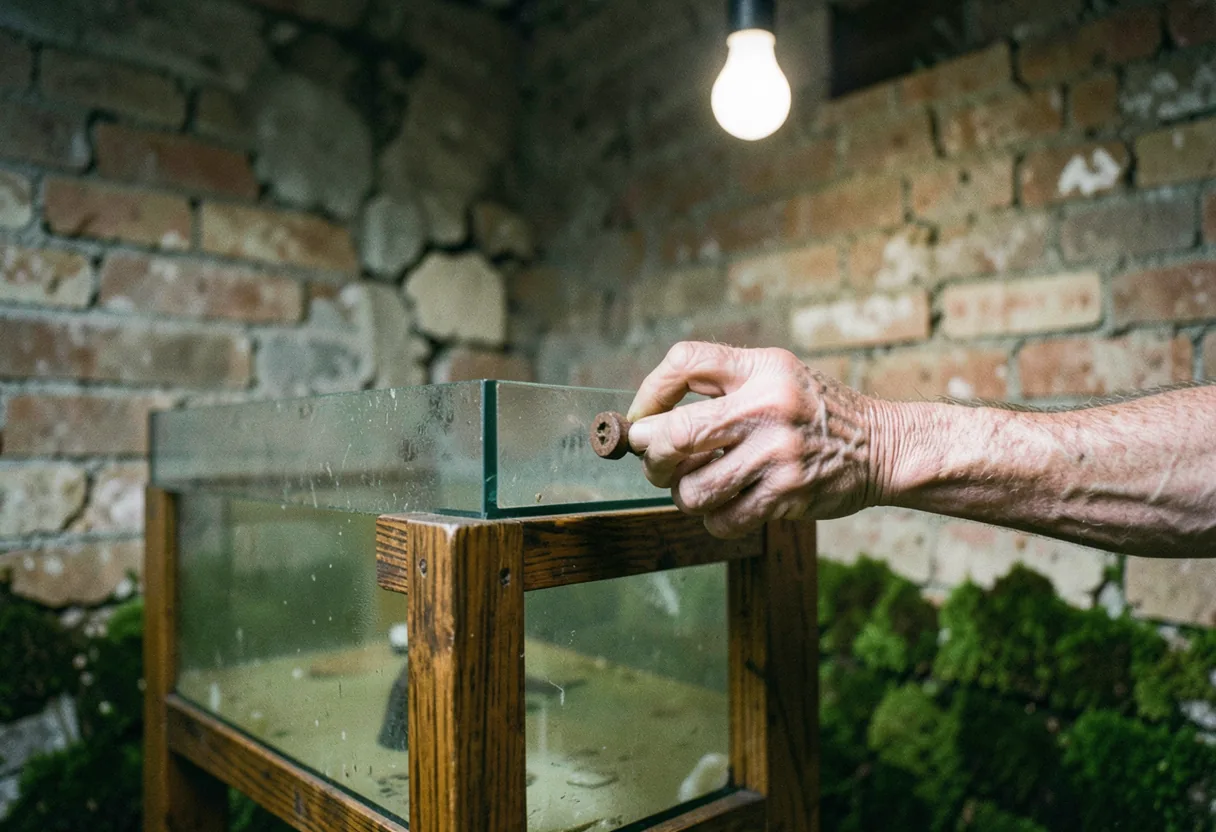
Cedar is ideal for humid coastal air aquarium stands due to its natural resistance to moisture and decay. Redwood, with its built-in tannins, also performs well in damp environments. Pressure-treated plywood offers affordability and durability, while stainless steel provides a modern, rust-resistant option. Ensure proper ventilation to prevent mold growth.
A DIY aquarium stand for humid coastal air in Sevastopol must resist warping, mold, and corrosion from constant moisture, while also supporting the weight of a glass or acrylic tank.
Think of your aquarium stand like a sturdy pier: it must withstand relentless waves (humidity) and support heavy ships (tank + water), or the whole structure collapses into the sea.
Key facts
- Sevastopol’s coastal air averages 70-80% humidity year-round.
- Wood expands and contracts with humidity shifts, leading to warping.
- Metal can rust or corrode if not treated properly.
- Plastic must be UV-stabilized to avoid brittle cracking in sunlight.
01Why local humidity demands specialized materials
Sevastopol’s location on the Black Sea means your aquarium stand faces extreme conditions. The city’s average relative humidity hovers around 70-80% even in “dry” months, according to climate data from the Sevastopol Administration. A standard particleboard stand would swell and buckle within months. The first time I really looked at DIY builds failing in this climate, I noticed most used untreated plywood, those stands delaminated within a year.
For context, indoor humidity near aquariums spikes even higher due to evaporation. A 200-liter tank can release 2-3 liters of water into the air daily. This creates ideal conditions for mold growth on porous materials. Non-breathable materials like sealed plywood or MDF trap moisture, leading to warping or rot from the inside out. Coastal air also carries salt, which accelerates corrosion in untreated metals.
02Best materials for DIY aquarium stands in humid coastal air
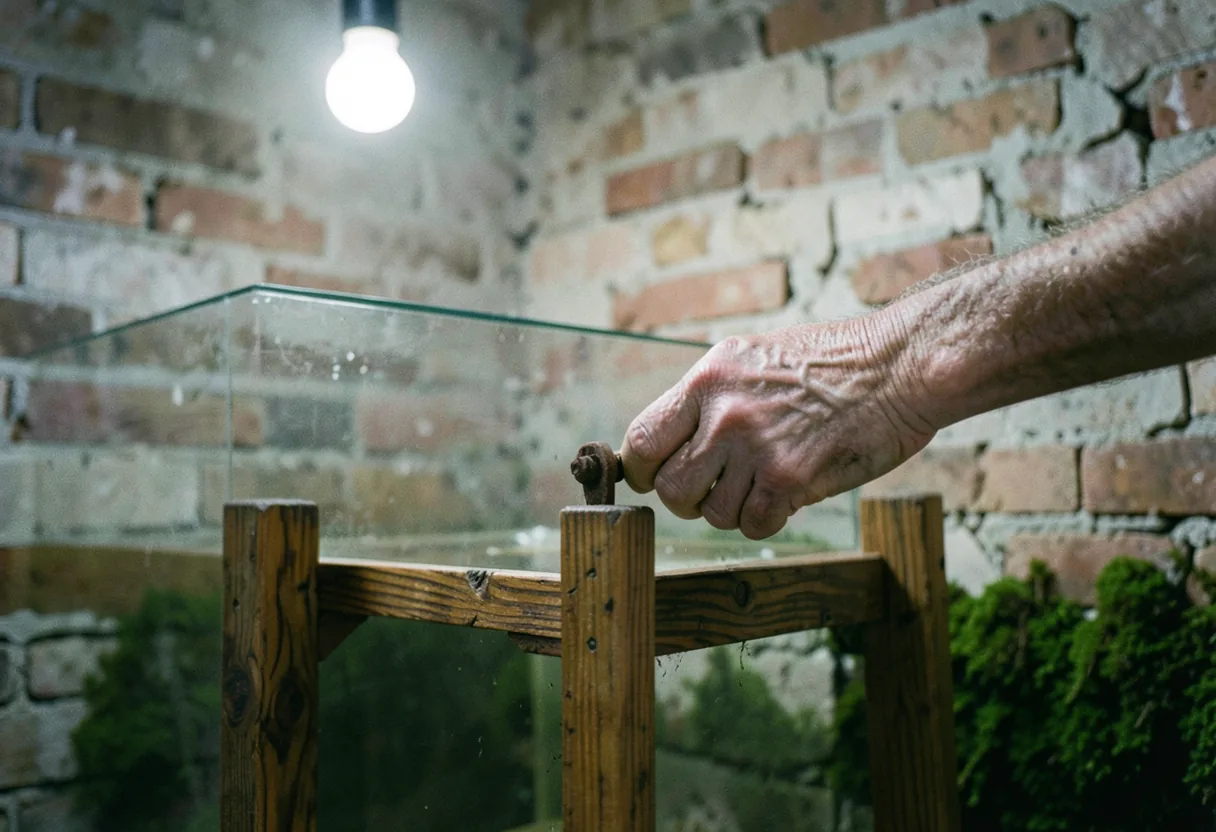
Sevastopol’s climate demands materials that balance moisture resistance, structural integrity, and cost. Let’s break down the top options:
03How to treat and seal DIY aquarium stand materials
Even the best materials need protection in Sevastopol’s climate. For wood, marine-grade plywood should be sealed with epoxy resin or polyurethane. Epoxy creates a waterproof barrier, while polyurethane adds flexibility to handle humidity shifts. Metal stands require corrosion-resistant coatings like powder coating or galvanization. Aluminum, while naturally resistant, benefits from anodization for extra protection. Plastic stands need UV-stabilized additives to prevent brittleness from sunlight exposure.
For a cost-effective DIY project, consider combining materials. For example, a marine-grade plywood frame with stainless steel brackets provides both strength and moisture resistance. Avoid untreated pine or standard plywood, they’ll fail within a year. If you’re working with a tight budget, HDPE sheets can be reinforced with metal brackets for added stability.
04DIY aquarium stand design tips for coastal climates
Design plays a critical role in longevity. Open-frame designs allow airflow, reducing trapped moisture. Avoid solid panels on sides unless they’re sealed. For stability, ensure the stand is level, Sevastopol’s uneven terrain can cause tanks to shift. Add rubber pads under the tank to absorb vibrations and prevent sliding. If building a wooden stand, use stainless steel screws instead of nails for better hold and corrosion resistance.
For a 200-liter tank, aim for a stand with a base at least 60 cm deep and 50 cm wide per 50 cm of tank length. This distributes weight evenly and prevents tipping. If you’re unsure about structural integrity, consult a local carpenter or metalworker familiar with coastal conditions. Sevastopol’s shipbuilding industry has experts who understand humidity-resistant construction.
05Where to source materials in Sevastopol
Local hardware stores and marine supply shops carry the materials you need. For marine-grade plywood, check StroyMarket or Sevastopol Building Supplies. Stainless steel and aluminum can be found at MetalBase Sevastopol. HDPE sheets are available at specialized plastic suppliers like PlastikSevastopol. If you’re looking for pre-made stands, some aquarium shops offer humidity-resistant options, though DIY is often more cost-effective.
06Maintenance tips for long-term durability
Regular upkeep extends your stand’s life. Wipe down surfaces monthly to prevent salt buildup. Check for warping or corrosion every six months, especially after winter when humidity spikes. If using wood, reapply sealant annually. For metal stands, touch up any scratches in the coating to prevent rust. Keep the stand away from direct sunlight to reduce UV damage on plastics and sealants. Proper ventilation around the stand helps regulate humidity levels.
07DIY aquarium stand materials for humid coastal air: Final checklist
- Choose marine-grade plywood, stainless steel, aluminum, or HDPE.
- Seal wood with epoxy or polyurethane; coat metal with corrosion-resistant finishes.
- Design with open frames and proper weight distribution.
- Source materials locally from trusted suppliers.
- Maintain with regular cleaning and inspections.
By following these guidelines, your DIY aquarium stand will withstand Sevastopol’s coastal humidity and keep your tank stable for years.
08Frequently asked questions
What wood types resist humidity best for coastal aquarium stands?
Teak and cedar excel in humid coastal climates. Both contain natural oils that repel moisture. For a budget option, pressure-treated pine offers decent resistance. Avoid oak; tannins react poorly with water, causing long-term rot. Always seal with marine-grade polyurethane for extra protection.
How do metal stands fare in salty coastal air?
Stainless steel or powder-coated steel resists corrosion best. Galvanized steel, while cheaper, can corrode over time. Avoid aluminum; salt accelerates oxidation. For a rustic look, wrought iron works if regularly treated with anti-rust spray. Clean metal stands with fresh water to remove salt residue.
Can PVC pipes work for DIY aquarium stands in humid areas?
PVC pipes are lightweight and corrosion-proof, making them ideal for humid climates. Use Schedule 40 PVC for structural integrity. Reinforce with brackets for stability. PVC doesn’t support heavy tanks alone; combine with plywood for a sturdy base. Ensure proper weight distribution to avoid warping.
What concrete mix works for outdoor coastal aquarium stands?
Use a 1:2:3 mix of cement, sand, and gravel for outdoor stands. Add waterproofing admixtures like silicone or acrylic polymers. Reinforce with rebar for stability. Let it cure for at least 28 days before use. Seal with a concrete sealer to prevent salt damage. Avoid direct contact with saltwater to prolong lifespan.