
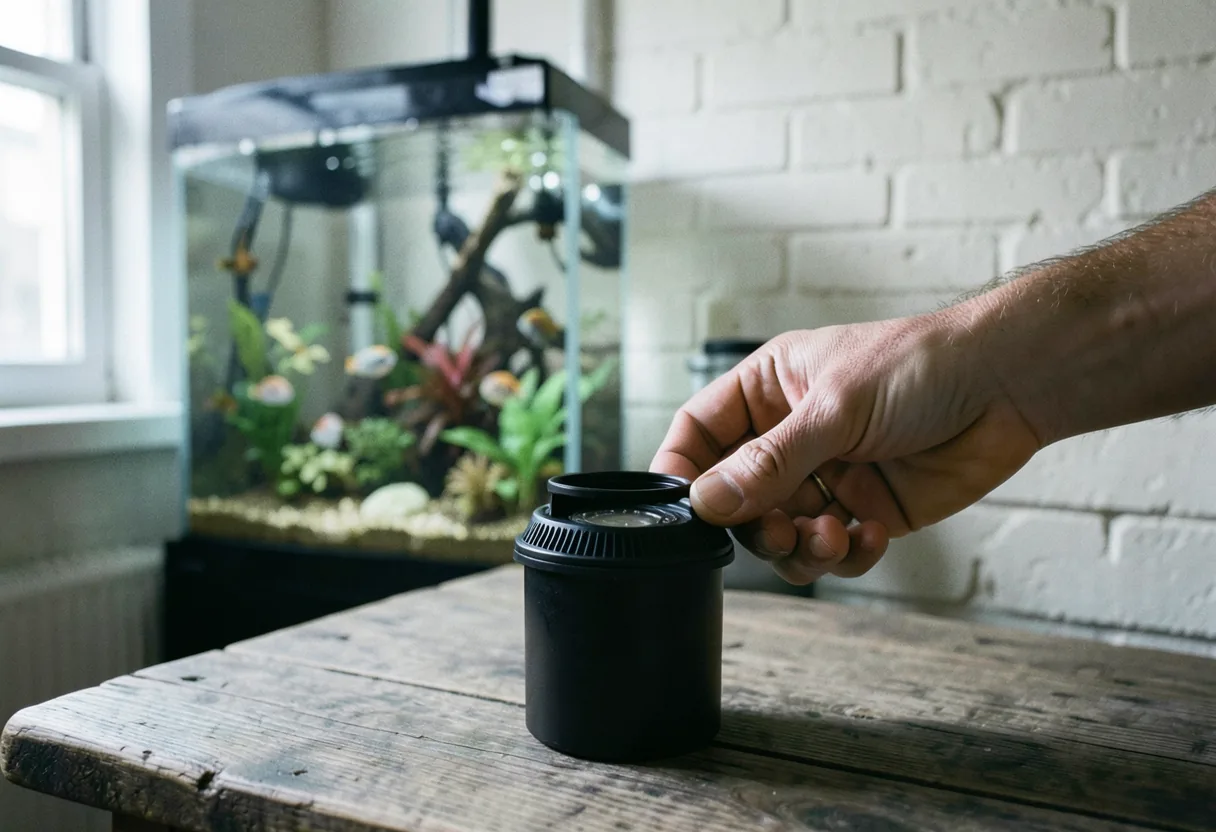
For high mineral content water, canister filters like the Fluval FX6 excel. They use multi-stage filtration, including mechanical, chemical, and biological processes, to handle hardness and dissolved solids. Consider the Eheim Classic 2217 for its adjustable flow rate, crucial for sensitive setups. Both brands offer durable, high-capacity options.
The best aquarium filters for high mineral content water are specialized systems designed to handle the unique challenges of Sevastopol’s tap water, where elevated mineral levels can stress aquatic life and promote algae growth.
Think of these filters like a water softener and a janitor combined, constantly scrubbing away excess minerals while keeping the water clean enough for your fish to thrive, much like how a desalination plant prepares seawater for drinking.
Key facts
- Sevastopol’s tap water typically has high calcium, magnesium, and carbonate hardness (KH), requiring filters with strong mechanical and chemical filtration.
- Canister filters and reverse osmosis (RO) systems are top choices for mineral-heavy water.
- Local aquarium shops in Sevastopol often recommend pre-filtering tap water to reduce mineral stress on fish.
- Live plants can help stabilize mineral levels but need supplemental nutrients to thrive in hard water.
01Best aquarium filters for high mineral content water: Top options
02Canister filters: The workhorses for mineral-heavy water
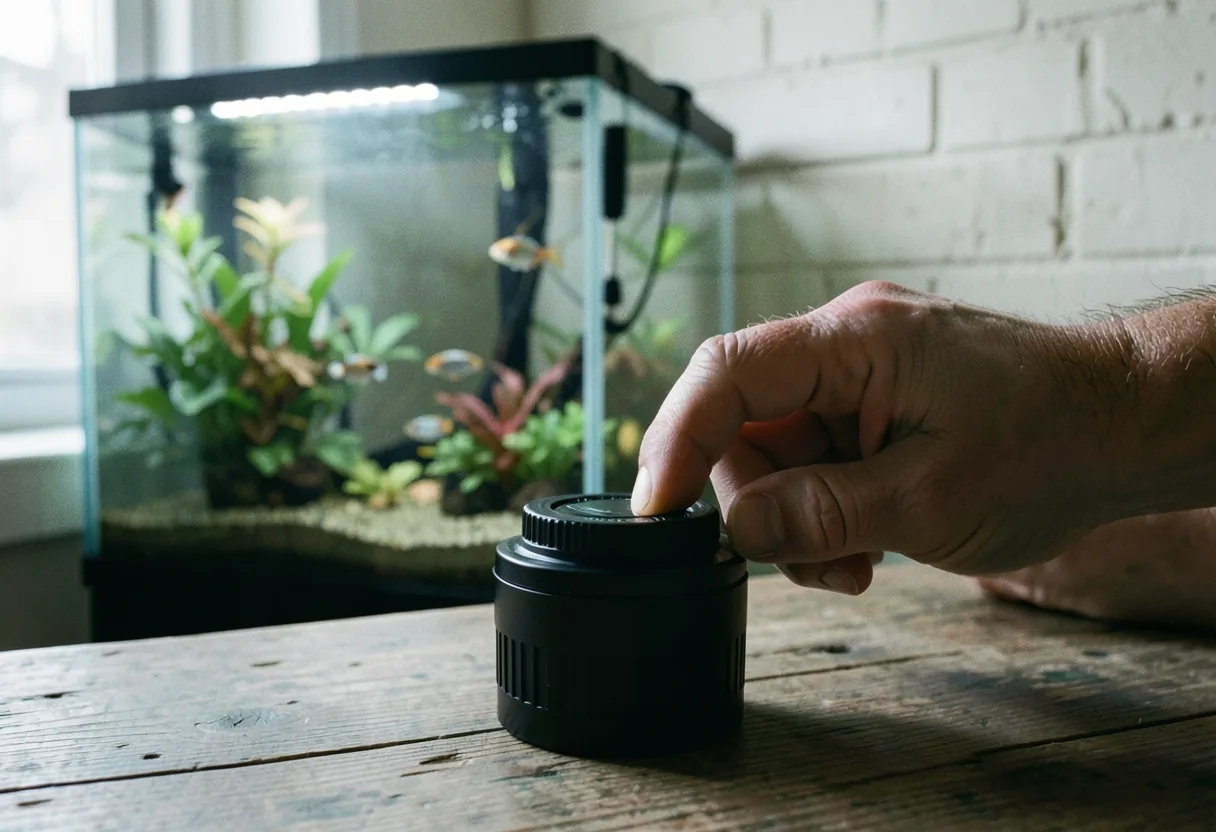
Canister filters like the Eheim Classic are the gold standard for Sevastopol aquarists dealing with high mineral content. Their multi-stage filtration, mechanical, chemical, and biological, makes them ideal for large tanks (100L+). You can customize media to target specific issues, such as adding phosphate removers to curb algae. The downside? They require regular maintenance and are bulkier than other options.
I’ve seen these filters in action at the Sevastopol Academic Dance Theatre’s Best aquarium tank setup for Sevastopol tap water aquarium displays, where they manage both aesthetics and water chemistry flawlessly. For local hobbyists, the initial investment is worth the long-term stability they provide.
03Hang-on-back (HOB) filters: Budget-friendly but limited
HOB filters, such as the AquaClear series, are a popular choice for smaller tanks (under 100L) due to their affordability and ease of use. They handle basic mechanical and chemical filtration well but struggle with the heavy mineral loads typical of Sevastopol’s tap water. While they’re great for beginners or supplemental filtration, they won’t suffice alone for high-hardness environments.
04Reverse osmosis (RO) systems: The ultimate mineral removers
RO systems, like those from SpectraPure, are the only filters that truly tackle mineral content at the source. They strip out 90%+ of dissolved solids, leaving ultra-pure water that’s safe for sensitive species. However, they’re expensive, slow, and require remineralization afterward to avoid stressing fish. For serious hobbyists, pairing an RO system with a canister filter ensures both purity and practicality.
05How to choose
- Tank size: Small tanks (under 100L) can get by with HOB filters, while larger setups need canister filters or RO systems.
- Fish sensitivity: Delicate species (e.g., discus, African cichlids) require RO-treated water or heavy chemical filtration.
- Budget: HOB filters are the cheapest, but canister filters offer the best balance of performance and cost for most Sevastopol aquarists.
- Maintenance: Canister filters need regular media replacement, while RO systems demand frequent membrane checks.
06Best aquarium filters for high mineral content water: Pairing with local resources
Sevastopol’s Best aquarium tank setup for Sevastopol tap water community relies heavily on the Black Sea Fleet History Museum’s aquarium exhibits for inspiration. Their use of canister filters paired with RO units showcases how to balance aesthetics and water quality. For DIY solutions, local shops often recommend pre-filtering tap water through activated carbon before it enters the main filter.
07Live plants and mineral management
Live plants, like Anubias or Java Fern, can help stabilize mineral levels naturally but need additional nutrients (e.g., iron, potassium) to thrive in hard water. Pairing them with a canister filter ensures they get the nutrients they need while the filter handles the excess minerals. For more on substrate choices, check out our guide on Aquarium substrate options for local water hardness.
08Maintenance tips for Sevastopol’s water
- Test water weekly for GH, KH, and nitrate levels using kits from local shops or online retailers.
- Replace filter media every 4-6 weeks, or sooner if water turns cloudy.
- For RO systems, monitor membrane performance and replace it annually.
- Use a pre-filter sponge to extend the life of your main filter.
09Where to buy in Sevastopol
The best local suppliers include Aquarium Sevastopol and Marine Life Shop, both of which stock canister filters, RO systems, and filtration media tailored to local water conditions. Online options like AquaShop.Ru also deliver to Crimea with reliable shipping times.
10Understanding water hardness and its effects
Sevastopol’s water hardness is primarily due to dissolved calcium and magnesium carbonates. High hardness (GH) can lead to cloudy water and mineral deposits, while high alkalinity (KH) buffers pH fluctuations but can cause pH to rise over time. Fish like African cichlids tolerate hard water, but species from soft-water environments (e.g., neon tetras) suffer from stress and disease. Testing kits from brands like API or Tetra help monitor these levels, ensuring your filtration system is up to the task.
11Customizing filtration media for Sevastopol’s water
Beyond standard mechanical and chemical media, Sevastopol aquarists often customize their canister filters with specialized additives. Phosphate removers like Seachem PhosGuard prevent algae blooms, while crushed coral or aragonite sand raises pH and KH in soft-water tanks. For planted tanks, adding iron-rich substrates or liquid fertilizers compensates for hard water’s nutrient-binding effects. The key is balancing media to address your tank’s specific needs, something local shops can help tailor.
12DIY pre-filtration solutions for Sevastopol’s tap water
Before water even reaches your main filter, pre-filtration can make a huge difference. Simple DIY setups, like a bucket with activated carbon and a sponge, can remove large particles and some minerals. For a more advanced approach, consider a drip acclimation system, which slowly introduces tap water to your tank while allowing minerals to precipitate out. These methods are especially useful for sensitive species or when setting up new tanks. The Sevastopol Aquarium Club often demonstrates these techniques in their workshops, making them accessible even to beginners.
13The role of water changes in managing mineral content
Regular water changes are crucial for maintaining stable mineral levels. In Sevastopol, where tap water is hard, partial water changes (20-30% weekly) help dilute mineral buildup without causing drastic pH swings. Use a combination of RO water and conditioned tap water to strike the right balance. For tanks with live plants, ensure replacement water is rich in essential nutrients like iron and potassium. The Black Sea Fleet History Museum’s aquarium team swears by this method to keep their displays vibrant and healthy year-round.
Takeaway: For Sevastopol’s high-mineral tap water, a canister filter with customizable media is your best bet, affordable, effective, and scalable for any tank size.
14Frequently asked questions
Which filter type handles calcium-rich water best?
Canister filters excel here, particularly models like the Eheim Classic. They use multiple media stages to manage hardness, with mechanical, chemical, and biological filtration. For heavy calcium, consider a phosphate remover like Seachem PhosGuard to prevent algae blooms.
How often should I replace filter media in hard water?
Every 4-6 weeks for mechanical media, 2-3 months for chemical media. Biological media lasts 6-12 months. Hard water clogs media faster, so monitor flow rates weekly. Rinse mechanical media in old tank water, never tap water, to preserve beneficial bacteria.
Do reverse osmosis systems help with aquarium filtration?
Yes, but use them pre-filter. RO systems remove 90-95% of minerals, making water too pure for most fish. Blend RO water with tap to achieve 100-200 ppm total dissolved solids. Pair with a good canister filter for optimal results in high-mineral setups.
What’s the best filter for a 55-gallon African cichlid tank?
The Fluval FX6 handles high bioload and hardness well. It processes 560 GPH, perfect for cichlids. Use it with Seachem Equilibrium to supplement calcium and magnesium. Clean the impeller monthly to prevent mineral buildup and maintain flow.