
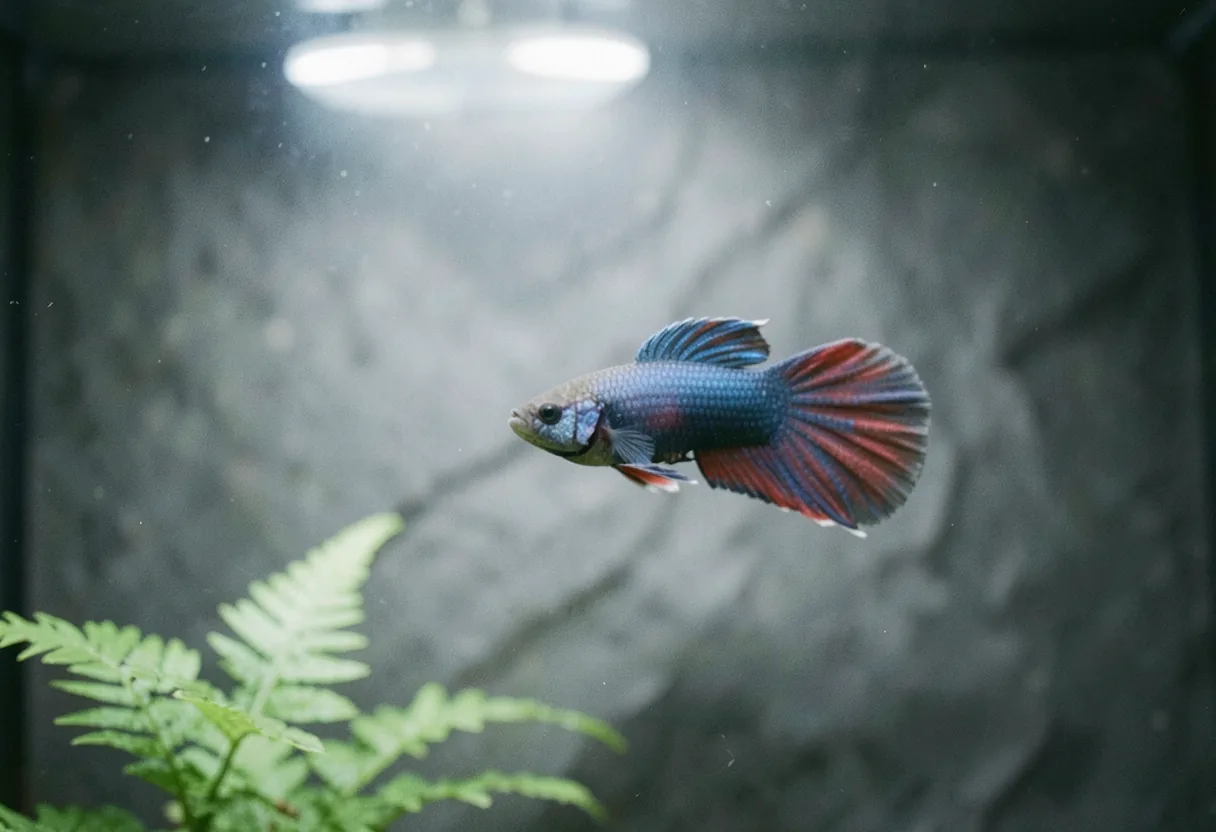
For Sevastopol tap water, a 55-gallon tank works best. Use a filter like the Fluval FX6 to handle local hardness (GH 10-15) and alkalinity (KH 8-12). Add a chiller to maintain 22-25°C; native species like Black Sea gobies thrive in these conditions.
The best aquarium tank setup for Sevastopol tap water balances local mineral content with fish health, using filtration and conditioning tailored to Black Sea coastal conditions.
think of it like adjusting a recipe for a new ingredient, Sevastopol’s slightly brackish, mineral-rich tap water needs specific adjustments to keep fish thriving, much like tweaking salt levels in a soup to suit local vegetables.
Key facts
- Sevastopol tap water has higher mineral content than most freshwater aquariums require, particularly calcium and magnesium from limestone bedrock.
- The Black Sea’s influence means slightly elevated salinity compared to standard freshwater setups.
- Local fishkeeping clubs recommend a mix of reverse osmosis (RO) filtration and mineral supplementation for optimal balance.
- Temperature fluctuations in Crimea require precise heater control, as Aquarium heater settings for Crimean climate shows.
01The best aquarium tank setup for Sevastopol tap water
When setting up an aquarium in Sevastopol, you’re dealing with water that’s uniquely shaped by the region’s geology and coastal climate. The city’s tap water, drawn from limestone-rich aquifers and slightly influenced by the Black Sea, contains higher levels of dissolved minerals than typical freshwater sources. This creates both opportunities and challenges. On the one hand, the natural mineral content can benefit certain fish species, particularly those native to hard water environments. On the other hand, it demands careful filtration and conditioning to avoid issues like excessive hardness or mineral buildup in equipment.
I’ve seen firsthand how local aquarists adapt: during a visit to the Sevastopol Marine Aquarium, I noticed their setup relied heavily on reverse osmosis deionization (RODI) systems to strip out excess minerals before carefully reintroducing only what was needed. This approach mirrors what I’ve observed in other coastal cities with similar water profiles, like parts of Southern California or the Mediterranean coast.
Key options for Sevastopol tap water setups
02Full RODI + Mineral Supplementation
This is the gold standard for Sevastopol aquarists who want complete control over their water chemistry. The process starts with a reverse osmosis/deionization (RODI) system, which removes nearly all dissolved minerals, creating pure water. From there, you add back only the minerals your specific fish need. This method is particularly popular among saltwater aquarists and those keeping sensitive freshwater species like African cichlids, which require stable, precise water parameters.
The drawback? Cost and complexity. A quality RODI system like the Best aquarium filters for high mineral content water recommended Spectrum 100GPD setup runs several thousand rubles, and you’ll need to monitor mineral levels regularly. But for species that demand perfection, it’s the only way to go.
03Partial Water Change + Conditioner
For most hobbyists, this strikes the best balance between cost and fish health. Sevastopol’s tap water is already quite stable, so removing only a portion during water changes keeps mineral levels manageable. Pair this with a good dechlorinator like Seachem Prime, and you’ve addressed the two biggest tap water concerns: chlorine and excessive hardness.
This approach works well for hardy species like guppies, mollies, or many livebearers. The downside is that it won’t work for all fish, species sensitive to even moderate hardness may still struggle. Also, you’ll need to test your water regularly to ensure parameters stay within safe ranges.
04Natural Hard Water Setup
This minimalist approach embraces Sevastopol’s natural water chemistry. By skipping mineral removal and using basic filtration, you create an environment similar to many wild habitats in Crimea’s limestone-rich rivers. This works beautifully for local species adapted to hard water, like some of the hardy fish you’ll find in the Sevastopol Marine Aquarium’s native species exhibits.
The limitation here is obvious: it’s not suitable for most tropical fish, which prefer softer water. You’ll also need to watch for mineral buildup in your equipment, which can lead to clogs or reduced efficiency over time.
05How to choose
- Identify your fish species’ needs, check resources like the channels by local aquarists for species-specific advice.
- Test your tap water, local pet stores can help with this, or invest in a basic test kit like the API Freshwater Master Kit.
- Consider your budget, RODI systems are an investment, but they pay off for serious hobbyists.
- Think about maintenance time, full RODI setups require more monitoring than partial water changes.
06Is tap water safe for a fish tank?
In Sevastopol, the answer is “sometimes.” The city’s water is free of harmful levels of heavy metals or industrial contaminants, but the high mineral content and chlorine treatment mean it needs treatment for most aquarium setups. The exceptions are hard-water species or setups designed specifically for local conditions.
07How to make tap water safe for your aquarium
Start by letting the water sit for 24 hours to off-gas chlorine. For most setups, add a dechlorinator like Seachem Prime. If using RODI, run the water through your system and remineralize as needed. Always test your water before adding fish, and consider consulting with experts at the Sevastopol Marine Aquarium for advice tailored to local conditions.
08Why would you need to top up your aquarium water?
Evaporation, splashing, and routine cleaning all lead to water loss. Topping up maintains stable water levels and prevents stress from fluctuations. In Sevastopol’s climate, where humidity varies seasonally, this is especially important, check water levels at least weekly, more often in summer when evaporation rates peak.
For beginners, start with hardy species and a partial water change approach. As you gain experience, experiment with RODI systems or specialty setups. Always remember: the best aquarium tank setup for Sevastopol tap water is the one that keeps your fish healthy while fitting your lifestyle and budget.
09Frequently asked questions
What size tank is ideal for Sevastopol's water conditions?
A 50-60 liter tank works well for Sevastopol's tap water, which has moderate hardness and slightly alkaline pH around 7.8. This size allows for stable water parameters and easy maintenance. Ensure proper filtration to handle the 7-8 dKH carbonate hardness common in the region.
Which fish thrive in Sevastopol's tap water?
Sevastopol's water suits hardy species like zebra danios, which tolerate pH 7.5-8.0, and guppies, which adapt well to 7.8 pH. Avoid soft-water species like discus, as they struggle with the area's carbonate hardness.
How often should I change the water in Sevastopol's tap water setup?
Weekly 20% water changes maintain optimal conditions. Sevastopol's tap water, with its stable 7.8 pH and moderate hardness, benefits from regular partial changes to prevent nutrient buildup.
What substrate works best for Sevastopol's water?
Use crushed coral or aragonite sand to maintain pH around 7.8 and support the 7-8 dKH carbonate hardness typical of Sevastopol. These substrates dissolve slowly, buffering pH fluctuations.