
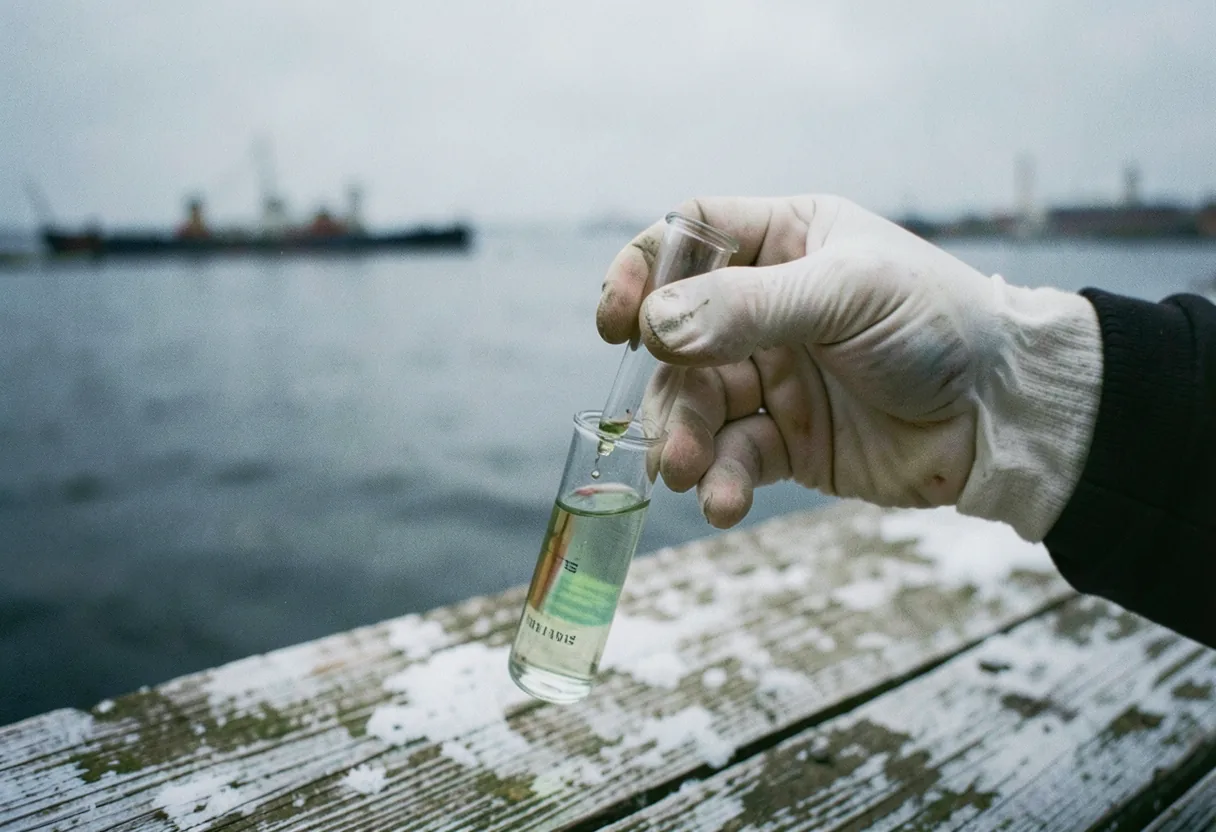
Test aquarium water in Sevastopol using test strips or liquid kits for pH, ammonia, nitrite, and nitrate. Balance it by adjusting pH with chemicals like crushed coral or peat moss, and use water changes to control ammonia and nitrite. Target pH 6.5-7.5, ammonia and nitrite at 0 ppm, and nitrate below 20 ppm.
Testing and balancing aquarium water in Sevastopol requires specific attention to local marine conditions and water quality parameters.
Think of your aquarium as a delicate soup, too much salt, and it’s inedible; too little, and the flavors fade. In Sevastopol, where seawater mixes with freshwater runoff, striking the right balance is like seasoning that soup just right to keep your fish thriving.
Key facts
- Sevastopol’s coastal location means tap water often has high salinity and carbonate hardness, requiring specialized testing.
- The ideal pH range for most freshwater aquariums is 6.5 to 7.5, while marine tanks typically need 8.1 to 8.4.
- Ammonia levels should always be at 0 ppm, as even trace amounts are toxic to fish.
- Local fishkeeping clubs in Sevastopol, such as the Sevastopol Aquarists Society, offer free water testing workshops.
01What you need
- An API Freshwater Master Test Kit (or a marine-specific kit if maintaining a saltwater tank)
- pH adjustment solutions (e.g., Seachem Alkaline Buffer or Acid Buffer)
- A dechlorinator like Seachem Prime to remove chlorine and chloramines
- Reverse osmosis (RO) or distilled water for mixing freshwater
- Sevastopol-specific water conditioners (available at local pet stores)
02How to test aquarium water in Sevastopol
- Collect a water sample from your aquarium using a clean container. Avoid disturbing the substrate to prevent clouding.
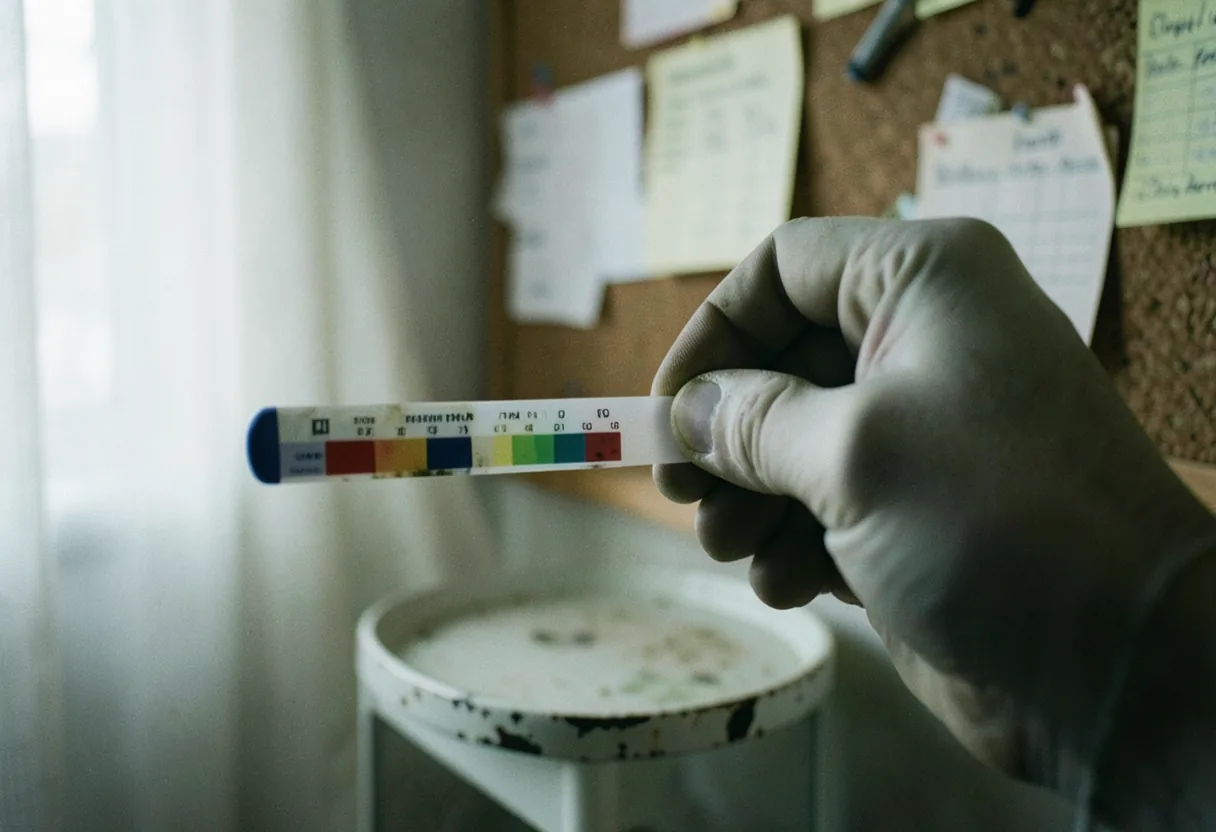
- Test for ammonia, nitrite, nitrate, pH, and carbonate hardness (KH) using your test kit. Follow the kit’s instructions precisely, as deviations can skew results.
- Record the readings. If ammonia or nitrite levels are above 0 ppm, take immediate action (see below).
- Compare your results to the ideal ranges for your aquarium type. Sevastopol’s tap water often requires additional filtration due to high mineral content.
- Adjust pH or hardness as needed. For example, if pH is too high, use a natural acidifier like driftwood or peat moss. If KH is too low, add a buffer like Seachem Alkaline Buffer.
- Repeat tests after adjustments to ensure stability. Consistency is key in maintaining a healthy aquarium.
03How to balance aquarium water in Sevastopol
- Monitor ammonia levels closely, especially after adding new fish. Sevastopol’s warm climate can accelerate bacterial growth, spiking ammonia faster than in cooler regions.
- Use a high-quality biological filter, such as the Fluval FX6, to process waste efficiently.
- Perform partial water changes weekly, replacing 10-20% of the water with conditioned Sevastopol tap water or RO water.
- Add live plants like Anubias or Java Fern, which absorb excess nutrients and help stabilize pH naturally. For more options, see Best aquarium plants for hard water conditions.
- Avoid overstocking your tank. Sevastopol’s marine aquarists often recommend 1 inch of fish per gallon for freshwater setups to prevent ammonia buildup.
04Common mistakes to avoid
Ignoring ammonia spikes: Even small amounts can cause fish stress or death. If ammonia is present, perform a 25% water change immediately and test again after 24 hours.
Overcorrecting pH: Adjusting pH too quickly can kill beneficial bacteria. Changes should be gradual, no more than 0.2 pH units per day.
Using untreated tap water: Sevastopol’s water often contains high chlorine levels. Always use a dechlorinator like Seachem Prime before adding water to your tank.
Neglecting KH in marine tanks: Low carbonate hardness in saltwater tanks can lead to pH swings. Test KH weekly and supplement with a buffer if needed.
05What is the most accurate way to test aquarium water?
The most accurate method is using liquid test kits like the API Freshwater Master Test Kit, which provide precise color-matching results. Digital testers, such as the Hanna Instruments pHep 5 pH meter, offer even greater accuracy but require calibration. For Sevastopol aquarists, combining liquid tests with digital meters ensures reliable readings in fluctuating coastal conditions.
06Will PetSmart test fish tank water?
PetSmart offers free water testing for customers, but their services may not account for Sevastopol’s unique water chemistry. For localized accuracy, visit the Sevastopol Aquarists Society or use a home test kit tailored to marine environments.
07How can I test my fish tank water for free?
Sevastopol’s local fishkeeping clubs, including the Sevastopol Aquarists Society, often host free water testing days. Additionally, some pet stores, like ZooWorld, provide complimentary ammonia and pH tests with purchases.
08How to test fish tank water without a kit
The first time I really looked at DIY testing methods, I was surprised by how effective some can be. While not as precise as commercial kits, these tricks can help in a pinch:
- Ammonia: Add a drop of household ammonia to a jar of tank water. If bubbles form, ammonia is likely present.
- pH: Use red cabbage juice (yes, really), it turns pink in acidic water and blue-green in alkaline water.
- Nitrate: Observe plant growth. Excess nitrates often lead to rapid algae or plant overgrowth.
For reliable results, however, invest in a basic test kit like the API Master Kit. DIY methods are stopgaps, not substitutes.
09How to check ammonia levels in fish tank without kit
If you suspect ammonia poisoning (e.g., fish gasping at the surface or red gills), act fast. Add a pinch of household ammonia to a clean jar of tank water. If bubbles appear, ammonia is present. For precise levels, use a test strip or liquid kit, this is not the time for guesswork.
10How to reduce ammonia in fish tank
11Sevastopol-specific water balancing tips
For marine tanks, Sevastopol’s proximity to the Black Sea means salinity can fluctuate. Use a hydrometer or refractometer to monitor specific gravity (SG), aiming for 1.020-1.025 for most marine species.
Join the Sevastopol Aquarists Society for seasonal water-quality updates, their 2023 reports noted higher-than-average nitrate levels in summer due to algae blooms.
12Recommended products for Sevastopol aquarists
- API Freshwater Master Test Kit (liquid-based for accuracy)
- Seachem Prime (dechlorinator and ammonia detoxifier)
- Fluval FX6 Canister Filter (high-capacity biological filtration)
- Red Sea Coral Pro Salt (for marine tanks, optimized for Black Sea salinity)
- Seachem Alkaline Buffer (for stabilizing KH in hard water)
Balance your aquarium water weekly, and always test after major changes (e.g., adding new fish or plants). Sevastopol’s unique marine environment demands vigilance, but with the right tools, your tank will thrive.
13Frequently asked questions
What are the ideal water parameters for a saltwater aquarium in Sevastopol?
For a saltwater aquarium in Sevastopol, aim for a temperature between 24-26°C, salinity at 1.020-1.025 specific gravity, pH between 8.1-8.4, and ammonia/nitrite levels at 0 ppm. Phosphates should be below 0.05 ppm to prevent algae blooms, common in Black Sea coastal areas due to runoff.
How often should I test my aquarium water in Sevastopol's climate?
Test your aquarium water weekly. Sevastopol's Mediterranean climate causes rapid evaporation and temperature swings, which can destabilize water parameters. Use liquid test kits for accuracy, as test strips can be less reliable in salty environments.
What is the best method to balance pH in a freshwater aquarium in Sevastopol?
Use crushed coral or limestone substrates to naturally buffer pH upwards. For immediate adjustments, add small amounts of baking soda (sodium bicarbonate) at 1 teaspoon per 50 liters. Avoid sudden changes; aim for gradual adjustments to prevent stressing fish.
Why is nitrate control critical in Sevastopol's aquariums, and how can it be managed?
Nitrates above 20 ppm can cause algae outbreaks, exacerbated by Sevastopol's high summer temperatures. Perform weekly 10-20% water changes with RO/DI water and use fast-growing plants like Hornwort or water changes to reduce nitrate levels effectively.